-
 February 14, 2025
Heart disease is the leading cause of death worldwide, but many cases can be prevented or managed with early detection and treatment. Recognizing the warning signs of heart disease is crucial for protecting your health. In this blog, we’ll explore 5 warning signs of heart disease that you should never ignore and explain why seeking timely medical attention can save your life.

What is Heart Disease?
Heart disease refers to a range of conditions that affect the heart, including coronary artery disease, heart failure, arrhythmias, and more. These conditions can lead to serious complications like heart attacks, strokes, and even death if left untreated. The good news is that many forms of heart disease can be managed effectively with early intervention and lifestyle changes.
5 Warning Signs of Heart Disease.
- Chest Pain or Discomfort: Chest pain, also known as angina, is one of the most common warning signs of heart disease. It may feel like:
- Pressure, squeezing, or fullness in the chest.
- Pain that radiates to the arms, neck, jaw, or back.
- Discomfort that lasts more than a few minutes or comes and goes.
Note: Not all chest pain is related to the heart, but it’s always better to err on the side of caution and seek medical attention.
- Shortness of Breath: If you find yourself struggling to breathe during everyday activities or while lying down, it could be a sign of heart failure or coronary artery disease. Shortness of breath may also be accompanied by:
- Fatigue.
- Swelling in the legs, ankles, or feet.
- Rapid or irregular heartbeat.
- Fatigue: Unexplained, persistent fatigue can be a warning sign of heart disease, especially in women. If you feel exhausted despite getting enough rest, it could indicate that your heart is not pumping blood efficiently.
- Irregular Heartbeat: An irregular heartbeat, or arrhythmia, can feel like your heart is:
- Skipping beats.
- Racing.
- Fluttering.
While occasional palpitations are normal, frequent or severe irregularities should be evaluated by a doctor.
- Swelling in the Legs, Ankles, or Feet: Swelling in the lower extremities, known as edema, can be a sign of heart failure. This occurs when the heart is unable to pump blood effectively, causing fluid to build up in the body.
When to Seek Medical Attention
If you experience any of these warning signs, don’t wait to seek help. Call your doctor or visit the nearest emergency room if you have:
- Chest pain that lasts more than a few minutes.
- Severe shortness of breath.
- Fainting or loss of consciousness.
- Symptoms that worsen or don’t improve with rest.
Early intervention can make all the difference in managing heart disease and preventing complications.
How to Reduce Your Risk of Heart Disease
While some risk factors for heart disease, like age and family history, are beyond your control, there are steps you can take to protect your heart:
- Eat a heart-healthy diet: Focus on fruits, vegetables, whole grains, lean proteins, and healthy fats.
- Exercise regularly: Aim for at least 30 minutes of moderate activity most days of the week.
- Quit smoking: Smoking is a major risk factor for heart disease.
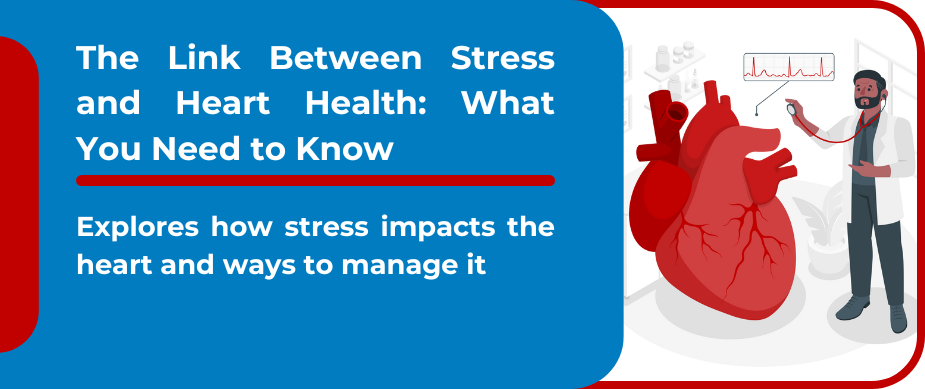
- Manage stress: Practice relaxation techniques like deep breathing, meditation, or yoga.
- Get regular checkups: Visit your primary care doctor or cardiologist for routine screenings and preventive care.
Why Choose Padder Health Services for Heart Health?
At Padder Health Services, our team of experienced cardiologists and primary care doctors is dedicated to helping you maintain a healthy heart. We offer:
- Comprehensive heart health evaluations.
- Personalized treatment plans.
- Preventive care and lifestyle counseling.
- Convenient locations in Laurel, Columbia, and Hagerstown, MD
- Same-day appointment availability.
Ready to prioritize your heart health? Schedule an appointment with Padder Health Services today and take the first step toward a healthier, happier you.
#heart-disease #heart-specialist #chest-pain #shortness-of-breath #Palpitation #sharp-heart-pain