-
 February 6, 2025
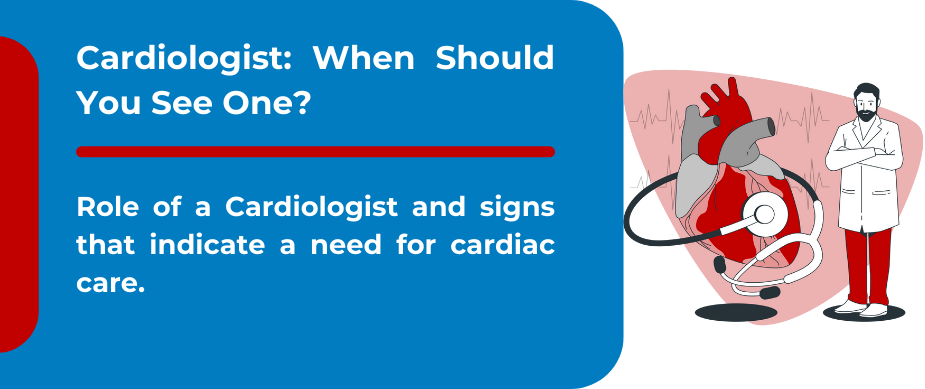
Your heart is one of the most vital organs in your body, and keeping it healthy is essential for a long, active life. But when should you seek specialized care for your heart? Let us review what a cardiologist does and the signs indicating it’s time to see one.

What is a Cardiologist?
A cardiologist is a medical specialist who focuses on diagnosing, treating, and preventing diseases of the heart and blood vessels. These highly trained doctors manage conditions like heart disease, heart failure, arrhythmias, and high blood pressure. They also perform procedures such as angioplasty, pacemaker implantation, and echocardiograms.
When Should You See a Cardiologist?
While your primary care physician can address many health concerns, certain signs and symptoms warrant a visit to a cardiologist. Here are some key indicators:
- Chest Pain or Discomfort: Chest pain can be a sign of serious conditions like angina or a heart attack. If you experience persistent or severe chest pain, seek medical attention immediately.
- Shortness of Breath: Difficulty breathing, especially during physical activity or while lying down, could indicate a heart problem such as heart failure or valvular disease.
- Irregular Heartbeat: If you notice your heart racing, skipping beats, or beating irregularly, it could be a sign of an arrhythmia.
- High Blood Pressure: Uncontrolled high blood pressure can damage your heart and blood vessels over time. A cardiologist can help manage it.
- Family History of Heart Disease: If you have a family history of heart disease, especially at a young age, it’s a good idea to see a cardiologist for preventive care.
- High Cholesterol: Elevated cholesterol levels increase your risk of heart disease. A cardiologist can help you manage it.
- Dizziness or Fainting: Frequent dizziness or fainting spells could be related to heart issues like low blood pressure or arrhythmias.
- Swelling in the Legs, Ankles, or Feet: Swelling in the lower extremities can be a sign of heart failure.
- Chronic Fatigue: Unexplained fatigue, especially if severe or persistent, could indicate a heart condition.
- Diabetes: People with diabetes are at a higher risk of developing heart disease. Regular checkups with a cardiologist can help monitor and manage this risk.
Why Choose Padder Health Services for Cardiac Care?
At Padder Health Services, our team of experienced cardiologists is dedicated to providing compassionate, patient-centered care. We offer:
- Comprehensive diagnostic testing.
- Personalized treatment plans.
- Preventive care to reduce your risk of heart disease.
- Convenient locations in Laurel, Columbia, and Hagerstown, MD.
- Same-day appointments.
Your heart health is too important to ignore. If you’re experiencing any of the symptoms mentioned above or have risk factors for heart disease, don’t wait to seek care. Schedule an appointment with Padder Health Services today and take the first step toward a healthier heart.