-
 February 19, 2025
High cholesterol is a common health concern that can increase your risk of heart disease, stroke, and other serious conditions. The good news? You can take control of your cholesterol levels naturally with the right lifestyle changes. Let us get to know some expert tips from our cardiologists on how to lower your cholesterol naturally and improve your heart health.

What is Cholesterol?
Cholesterol is a waxy substance found in your blood. While your body needs cholesterol to build healthy cells, too much of it can lead to plaque buildup in your arteries, increasing the risk of heart disease. There are two main types of cholesterol:
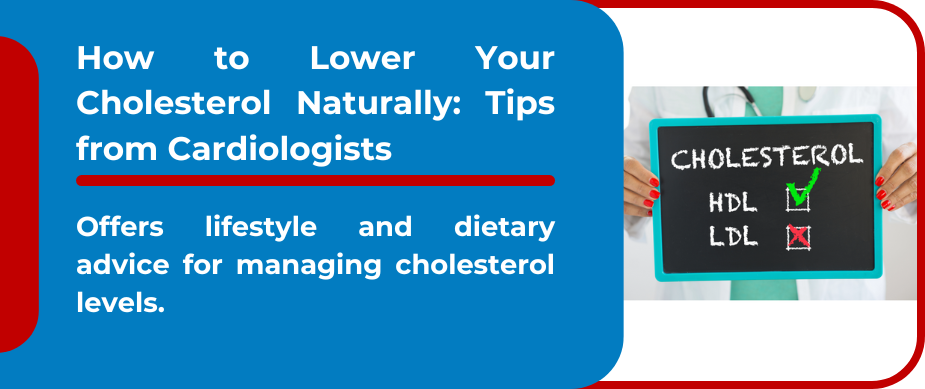
- LDL (Low-Density Lipoprotein): Known as “bad” cholesterol, it contributes to plaque buildup.
- HDL (High-Density Lipoprotein): Known as “good” cholesterol, it helps remove LDL from your bloodstream.
Tips to Lower Cholesterol Naturally
- Eat a Heart-Healthy Diet: Your diet plays a crucial role in managing cholesterol levels. Here’s what cardiologists recommend.
- Choose Healthy Fats: Replace saturated fats (found in red meat and full-fat dairy) with unsaturated fats (found in olive oil, avocados, and nuts).
- Increase Soluble Fiber: Foods like oats, beans, lentils, and fruits help reduce LDL cholesterol.
- Add Omega-3 Fatty Acids: Fatty fish like salmon, mackerel, and walnuts are rich in omega-3s, which can lower triglycerides and improve heart health.
- Limit Processed Foods: Avoid foods high in trans fats and refined sugars, such as fried foods, pastries, and sugary drinks.
- Exercise Regularly: Physical activity is one of the most effective ways to raise HDL (good) cholesterol and lower LDL (bad) cholesterol. Aim for:
- 30 Minutes of Moderate Exercise: Activities like brisk walking, cycling, or swimming, 5 days a week.
- Strength Training: Incorporate weightlifting or resistance exercises 2–3 times a week to boost metabolism and improve cholesterol levels.
- Maintain a Healthy Weight: Being overweight or obese can increase LDL cholesterol and lower HDL cholesterol. Losing even a small amount of weight can make a big difference. Focus on:
- Portion Control: Eat smaller portions and avoid overeating.
- Balanced Meals: Include a mix of lean protein, whole grains, and vegetables in every meal.
- Quit Smoking: Smoking lowers HDL cholesterol and damages blood vessels, making it easier for cholesterol to build up in your arteries. Quitting smoking can:
- Improve HDL levels within weeks.
- Reduce your risk of heart disease and stroke.
- Limit Alcohol Intake: While moderate alcohol consumption may have some heart benefits, excessive drinking can raise cholesterol levels and increase blood pressure. Stick to:
- Drink per Day for Women.
- Drinks per Day for Men.
- Manage Stress: Chronic stress can contribute to high cholesterol and heart disease. Try these stress-reducing techniques:
- Meditation or Yoga: Helps lower stress hormones and improve overall well-being.
- Deep Breathing Exercises: Can reduce blood pressure and promote relaxation.
- Regular Sleep: Aim for 7–9 hours of quality sleep each night.
- Incorporate Cholesterol-Lowering Foods: Certain foods are known to naturally lower cholesterol. Add these to your diet:
- Oats and Barley: Rich in beta-glucan, a type of soluble fiber that reduces LDL.
- Nuts: Almonds, walnuts, and pistachios are packed with healthy fats and fiber.
- Green Tea: Contains antioxidants that can improve cholesterol levels.
- Garlic: This may help lower LDL cholesterol and prevent plaque buildup.
When to See a Cardiologist?
If lifestyle changes aren’t enough to lower your cholesterol, or if you have a family history of high cholesterol or heart disease, it’s important to consult a cardiologist. They can:
- Perform advanced tests to assess your heart health.
- Recommend medications like statins if necessary.
- Provide personalized advice to manage your cholesterol effectively.
Why Choose Padder Health Services for Heart Health?
At Padder Health Services, our team of experienced cardiologists is dedicated to helping you achieve optimal heart health. We offer:
- Comprehensive cholesterol screenings.
- Personalized treatment plans.
- Lifestyle counseling to help you lower cholesterol naturally.
- Convenient locations in Laurel, Columbia, and Hagerstown, MD.
- Same-day appointment availability.
Schedule an appointment with Padder Health Services today and start your journey toward a healthier heart.