-
 August 3, 2026
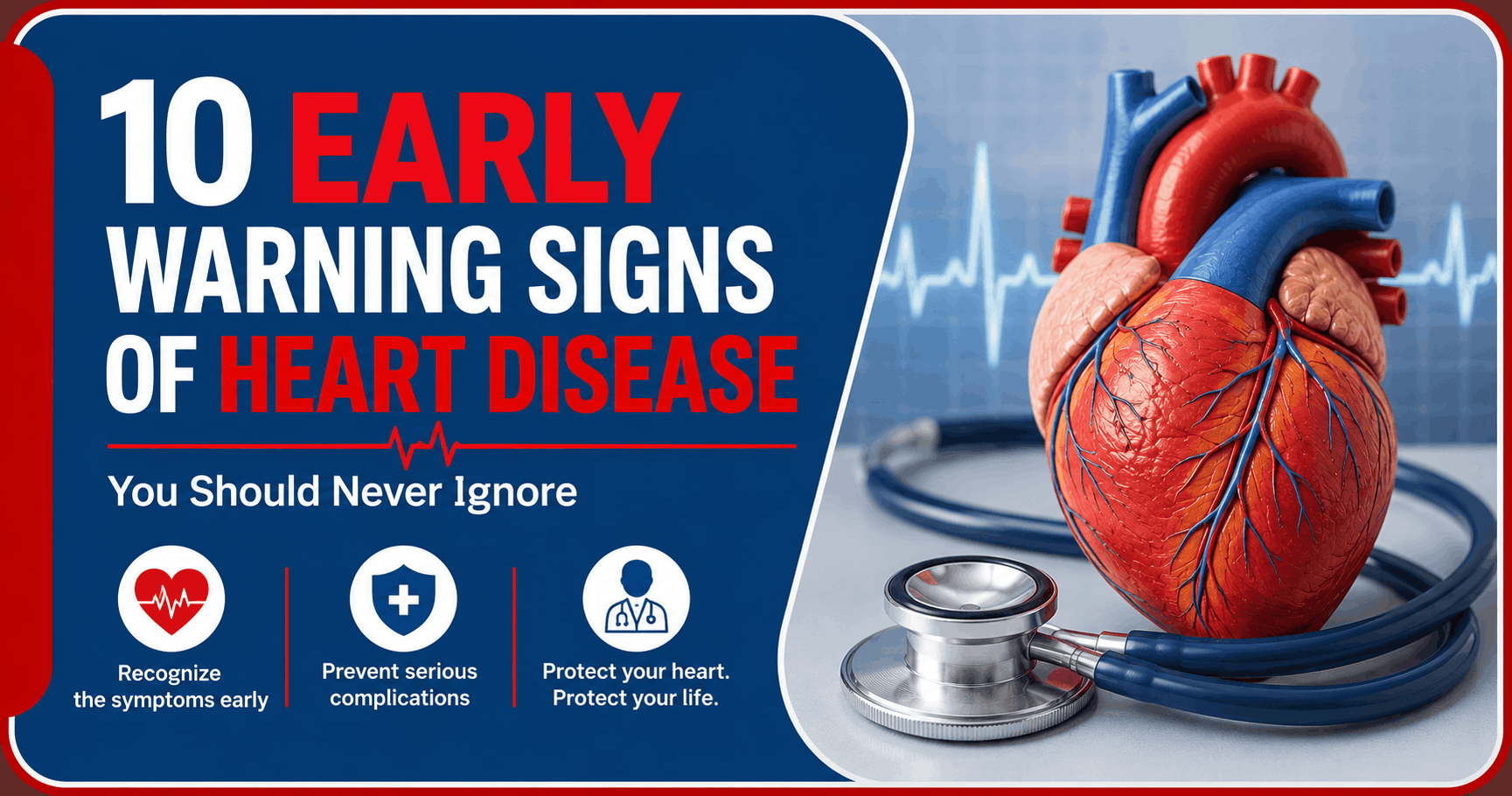
Heart disease is the leading cause of death for both men and women in the United States, yet many people ignore the early symptoms until a serious medical emergency occurs. Recognizing the warning signs early can lead to faster diagnosis, timely treatment, and better long-term outcomes.
Whether you’re experiencing chest discomfort, shortness of breath, or unusual fatigue, it’s important not to dismiss these symptoms. At Padder Health Services, our experienced cardiologists help patients identify cardiovascular risks before they become life-threatening.
Did You Know?
Many heart attacks are preceded by subtle warning signs that appear weeks or even months before the event. Early evaluation by a cardiologist can save your life.
Why Early Detection Matters
Many cardiovascular diseases develop slowly over time. High blood pressure, high cholesterol, diabetes, obesity, and smoking all increase your risk of heart disease. Routine checkups and recognizing symptoms early allow doctors to begin treatment before permanent damage occurs.

1. Chest Pain or Discomfort
Chest pain remains one of the most common warning signs of heart disease. The discomfort may feel like pressure, tightness, heaviness, burning, or squeezing in the center or left side of the chest.
Some patients experience mild discomfort while others report severe crushing pain. Symptoms may occur during exercise, emotional stress, or even while resting.
2. Shortness of Breath
Difficulty breathing during routine activities or while lying down can indicate that your heart is struggling to pump blood efficiently.
Shortness of breath is commonly associated with heart failure, coronary artery disease, and heart valve disorders.

3. Fatigue That Doesn’t Go Away
Persistent or unexplained fatigue can be an early sign of reduced blood flow caused by heart disease. If everyday activities suddenly become exhausting without another clear cause, your heart may not be delivering enough oxygen-rich blood throughout your body.
Many patients, particularly women, report unusual tiredness in the days or weeks before a heart attack. Fatigue should not be ignored, especially when combined with other cardiovascular symptoms.
4. Irregular Heartbeat (Heart Palpitations)
An irregular heartbeat, also known as heart palpitations, may feel like your heart is racing, fluttering, skipping beats, or pounding unexpectedly. While occasional palpitations can be harmless, frequent or persistent episodes may indicate an underlying heart rhythm disorder (arrhythmia).
Palpitations accompanied by dizziness, chest pain, fainting, or shortness of breath require immediate medical evaluation by a cardiologist.
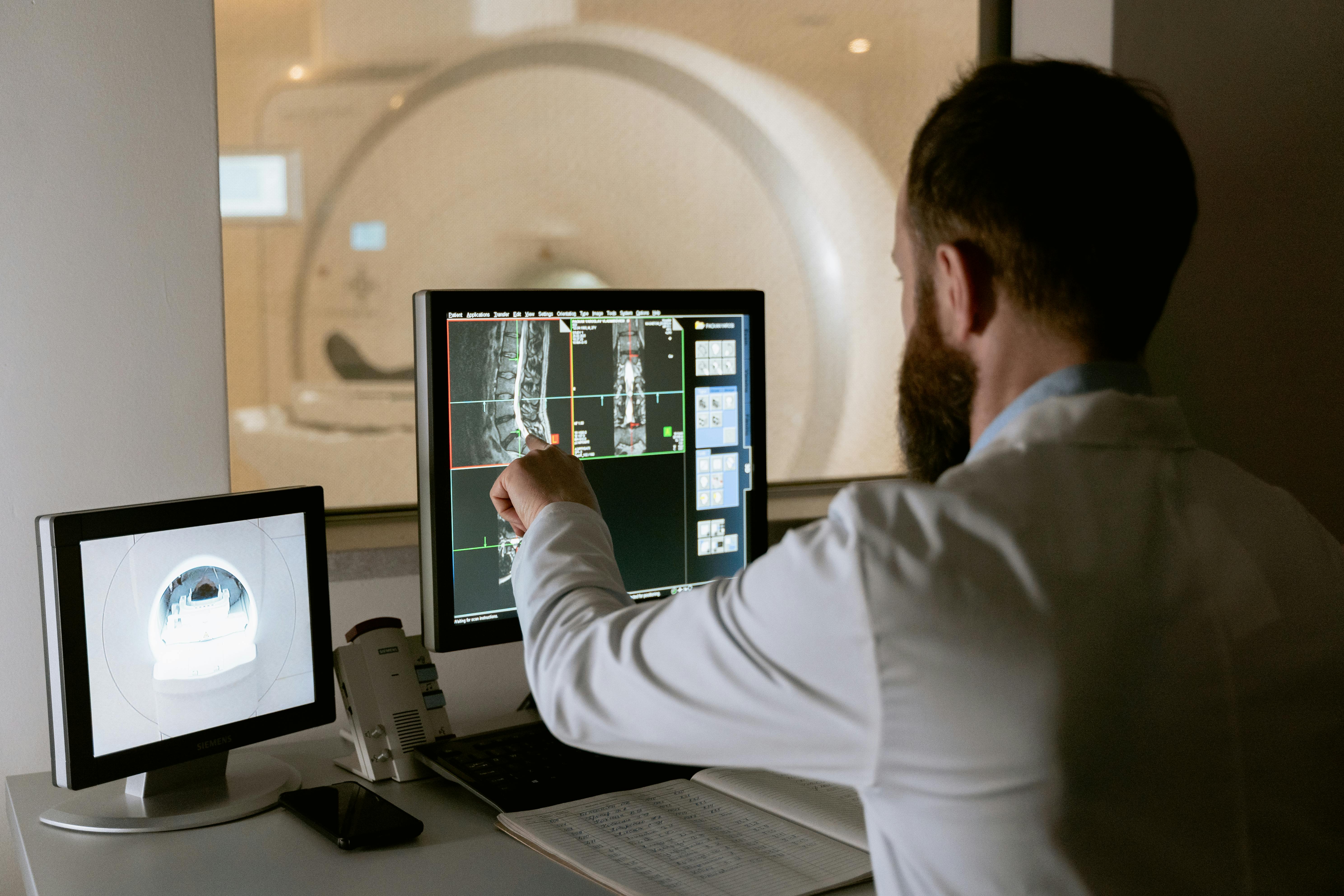
Heart Health Tip
If you experience frequent heart palpitations, avoid excessive caffeine and schedule an evaluation with your healthcare provider to determine the underlying cause.
5. Pain in the Arm, Neck, Jaw, Back, or Shoulder
Heart-related pain isn’t always limited to the chest. Many patients experience discomfort that radiates into the left arm, both arms, neck, jaw, upper back, or shoulders. This referred pain occurs because nerves from the heart share pathways with other parts of the body.
Women are especially more likely than men to experience jaw pain, back pain, or neck discomfort as an early warning sign of heart disease.

6. Swelling in the Legs, Ankles, or Feet
Swollen legs, ankles, or feet may indicate that your heart is not pumping blood efficiently. This causes fluid to build up in the lower extremities, a common symptom of congestive heart failure.
Although swelling can result from other medical conditions, persistent swelling combined with shortness of breath or fatigue should always be evaluated promptly.
- Swollen feet
- Swollen ankles
- Leg swelling
- Rapid weight gain from fluid retention

7. Dizziness or Fainting
Feeling dizzy, lightheaded, or fainting unexpectedly may indicate reduced blood flow to the brain caused by an abnormal heart rhythm, heart valve disease, or other cardiovascular conditions.
If dizziness occurs repeatedly or is accompanied by chest pain, palpitations, or shortness of breath, seek medical attention immediately.
Who Is Most at Risk for Heart Disease?
Certain factors significantly increase the likelihood of developing cardiovascular disease. Understanding your risk can help you take proactive steps toward protecting your heart.
Common Risk Factors
- High Blood Pressure
- High Cholesterol
- Diabetes
- Obesity
- Smoking or Tobacco Use
- Physical Inactivity
- Unhealthy Diet
- Family History of Heart Disease
- Age Over 45 (Men) or 55 (Women)
- Chronic Stress
Even if you don’t have symptoms, regular preventive screenings and annual wellness visits can help detect cardiovascular risks early and reduce your chances of developing serious heart disease.
8. Persistent High Blood Pressure
High blood pressure, often called the “silent killer,” rarely causes noticeable symptoms but significantly increases your risk of heart attack, stroke, heart failure, and kidney disease. Many people don’t realize they have hypertension until it’s discovered during a routine medical examination.
Regular blood pressure screenings are one of the most effective ways to detect hypertension early and begin treatment before complications develop.

9. Excessive Sweating, Nausea, or Indigestion
Many people mistake heart attack symptoms for acid reflux, indigestion, or the flu. Unexplained cold sweats, nausea, vomiting, or persistent indigestion—especially when combined with chest discomfort or shortness of breath—can be signs of a serious cardiac event.
Women are more likely than men to experience these less obvious symptoms before a heart attack.
10. Unexplained Shortness of Energy During Daily Activities
If simple activities such as climbing stairs, walking short distances, carrying groceries, or performing household tasks suddenly become difficult, your heart may not be pumping efficiently.
Reduced exercise tolerance is often one of the earliest indicators of developing cardiovascular disease and should never be ignored.

How to Reduce Your Risk of Heart Disease
Although some risk factors such as age and family history cannot be changed, many lifestyle choices can dramatically reduce your chances of developing heart disease.
- Maintain healthy blood pressure.
- Control cholesterol levels.
- Exercise for at least 150 minutes each week.
- Eat a heart-healthy diet rich in fruits, vegetables, and whole grains.
- Maintain a healthy body weight.
- Quit smoking and avoid tobacco products.
- Manage diabetes effectively.
- Reduce stress through healthy lifestyle habits.
- Schedule annual health checkups.
- Visit a cardiologist if you have risk factors or symptoms.

When Should You See a Cardiologist?
If you experience chest pain, shortness of breath, irregular heartbeat, unexplained fatigue, dizziness, or have multiple cardiovascular risk factors, it’s important to schedule an appointment with a cardiologist as soon as possible.
Early diagnosis allows physicians to identify heart disease before serious complications occur and helps patients receive personalized treatment plans that improve long-term outcomes.
Expert Heart Care at Padder Health Services
Our board-certified cardiologists provide comprehensive cardiovascular care, including preventive cardiology, heart disease evaluation, stress testing, echocardiography, nuclear cardiology, hypertension management, cholesterol treatment, and long-term heart health planning.
Frequently Asked Questions
What is the earliest warning sign of heart disease?
Chest discomfort, unusual fatigue, and shortness of breath are among the most common early warning signs, although symptoms vary from person to person.
Can heart disease develop without symptoms?
Yes. Many cardiovascular conditions, including high blood pressure and high cholesterol, often have no symptoms until complications develop. Routine medical checkups are essential.
When should I go to the emergency room?
Seek emergency medical attention immediately if you experience severe chest pain, sudden shortness of breath, fainting, or pain spreading to the arm, neck, jaw, or back.
Can heart disease be prevented?
Many cases can be prevented through healthy lifestyle choices, regular exercise, blood pressure control, cholesterol management, diabetes treatment, and routine medical care.
Protect Your Heart Today
Don’t ignore the early warning signs of heart disease. The experienced cardiologists at Padder Health Services provide expert diagnosis, preventive care, and advanced cardiovascular treatment to help you live a healthier life.
Final Thoughts
Recognizing the early warning signs of heart disease can save your life. While symptoms such as chest pain, shortness of breath, fatigue, dizziness, and irregular heartbeat should never be ignored, many cardiovascular conditions can be successfully managed—or even prevented—through early diagnosis and proactive care.
At Padder Health Services, our experienced cardiologists and primary care providers are committed to helping patients protect their heart health through preventive screenings, advanced diagnostic testing, personalized treatment plans, and compassionate care.
If you have concerns about your heart health or would like to schedule a cardiovascular evaluation, contact Padder Health Services today. Your heart deserves expert care.