-
 August 4, 2026
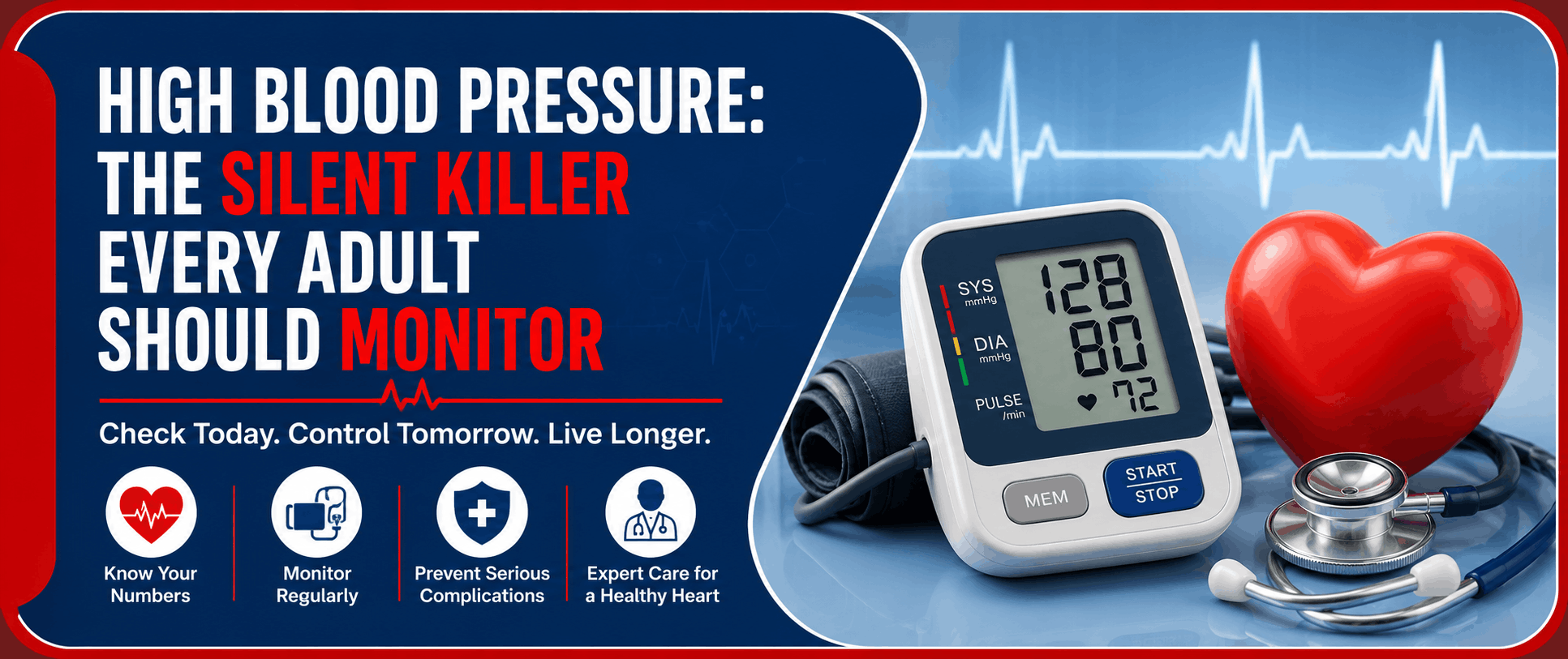
High blood pressure, also known as hypertension, affects millions of adults worldwide and is one of the leading causes of heart disease, stroke, kidney disease, and heart failure. What makes this condition especially dangerous is that many people don’t know they have it until serious complications occur.
Because it often develops without noticeable symptoms, high blood pressure has earned the nickname “The Silent Killer.” Regular blood pressure monitoring and early treatment can significantly reduce your risk of life-threatening cardiovascular conditions.
Did You Know?
Nearly half of adults with high blood pressure are unaware they have the condition. Routine health checkups can detect hypertension early and help prevent serious complications.
What Is High Blood Pressure?
Blood pressure measures the force of blood pushing against the walls of your arteries as your heart pumps. When this pressure remains consistently higher than normal, your heart must work harder to circulate blood throughout your body.
Over time, uncontrolled high blood pressure damages blood vessels and vital organs, increasing your risk of heart attack, stroke, kidney disease, vision problems, and other serious health conditions.

Why Is High Blood Pressure Called the Silent Killer?
Unlike many other medical conditions, hypertension usually develops slowly and often produces no warning signs. Many individuals feel perfectly healthy while elevated blood pressure silently damages the heart, brain, kidneys, and blood vessels over many years.
By the time symptoms appear, significant damage may already have occurred. This is why healthcare providers strongly recommend routine blood pressure screenings, especially for adults over 40 or anyone with cardiovascular risk factors.
Common Symptoms of High Blood Pressure
Although many people experience no symptoms, extremely high blood pressure may produce noticeable warning signs that should never be ignored.
- Frequent headaches
- Dizziness
- Blurred vision
- Chest pain
- Shortness of breath
- Nosebleeds
- Fatigue
- Irregular heartbeat
- Confusion
- Difficulty concentrating
If you experience severe chest pain, difficulty breathing, sudden weakness, or vision changes, seek immediate medical attention, as these may indicate a hypertensive emergency or another serious cardiovascular condition.

What Causes High Blood Pressure?
High blood pressure develops when the force of blood flowing through your arteries remains consistently too high. In many cases, there is no single identifiable cause. Instead, hypertension develops gradually due to genetics, aging, unhealthy lifestyle habits, or underlying medical conditions.
Fortunately, many risk factors can be controlled through healthy lifestyle choices and regular medical care.
Primary Causes of High Blood Pressure
- Unhealthy diet high in sodium
- Physical inactivity
- Being overweight or obese
- Smoking or tobacco use
- Excessive alcohol consumption
- Chronic stress
- Family history of hypertension
- Diabetes
- Kidney disease
- Sleep apnea
Who Is Most at Risk?
Although anyone can develop high blood pressure, certain individuals have a significantly higher risk. Understanding these risk factors can help you take preventive steps before hypertension develops.
Major Risk Factors
- Age over 40 years
- Family history of hypertension
- High cholesterol
- Diabetes
- Obesity
- Smoking
- Sedentary lifestyle
- Poor nutrition
- Excessive sodium intake
- Stress and anxiety
Even if you have no symptoms, regular blood pressure monitoring is recommended if you have one or more of these risk factors.

Blood Pressure Categories
Healthcare providers classify blood pressure into different categories based on systolic (top number) and diastolic (bottom number) measurements. Knowing your numbers helps determine whether treatment or lifestyle changes are needed.
| Category | Systolic (mmHg) | Diastolic (mmHg) |
|---|---|---|
| Normal | Less than 120 | Less than 80 |
| Elevated | 120–129 | Less than 80 |
| Stage 1 Hypertension | 130–139 | 80–89 |
| Stage 2 Hypertension | 140 or higher | 90 or higher |
| Hypertensive Crisis | 180+ | 120+ |
Complications of Uncontrolled High Blood Pressure
When left untreated, hypertension can silently damage nearly every major organ in your body. Over time, this damage significantly increases the risk of serious health complications.
- Heart Attack
- Stroke
- Heart Failure
- Kidney Disease
- Vision Loss
- Peripheral Artery Disease
- Aneurysm
- Cognitive Decline
- Vascular Dementia
- Sexual Dysfunction

Why Early Treatment Matters
Managing blood pressure through lifestyle changes, medication when necessary, and routine medical checkups can dramatically lower your risk of heart disease, stroke, kidney failure, and other life-threatening complications.
10 Ways to Lower High Blood Pressure Naturally
The good news is that high blood pressure can often be prevented or controlled through healthy lifestyle changes. Even small improvements in your daily habits can significantly reduce your blood pressure and lower your risk of heart disease.
- Eat a heart-healthy diet rich in fruits and vegetables.
- Reduce sodium (salt) intake.
- Exercise for at least 150 minutes every week.
- Maintain a healthy body weight.
- Quit smoking and avoid tobacco products.
- Limit alcohol consumption.
- Manage stress through relaxation techniques.
- Get 7–9 hours of quality sleep every night.
- Monitor your blood pressure regularly.
- Take medications exactly as prescribed by your healthcare provider.

Treatment Options for High Blood Pressure
Treatment depends on your blood pressure readings, overall health, age, and other medical conditions. Many patients can successfully control hypertension through lifestyle modifications, while others may require medication in combination with healthy habits.
Common Treatment Options
- Lifestyle modifications
- Healthy eating plan (DASH diet)
- Regular physical activity
- Weight management
- Smoking cessation
- Stress reduction
- Blood pressure medications
- Routine follow-up visits
When Should You See a Doctor?
Many people don’t realize they have high blood pressure until it’s discovered during a routine examination. If your blood pressure is consistently above 130/80 mmHg or you experience symptoms such as chest pain, severe headaches, blurred vision, dizziness, or shortness of breath, schedule an appointment with your healthcare provider as soon as possible.
Seek Emergency Care Immediately If You Experience:
- Chest pain
- Severe headache
- Difficulty breathing
- Blurred or lost vision
- Confusion
- Difficulty speaking
- Weakness on one side of the body
- Blood pressure higher than 180/120 mmHg
How Padder Health Services Can Help
At Padder Health Services, our experienced Primary Care physicians and Cardiologists provide comprehensive hypertension screening, diagnosis, treatment, and long-term management. We focus on identifying cardiovascular risk factors early and developing personalized treatment plans that improve your heart health and overall well-being.
Our services include:
- Blood Pressure Monitoring
- Heart Disease Risk Assessments
- Annual Wellness Exams
- Preventive Cardiology
- Medication Management
- Lifestyle Counseling
- Nutrition Guidance
- Chronic Disease Management
Frequently Asked Questions
What blood pressure is considered normal?
Normal blood pressure is less than 120/80 mmHg. Regular monitoring helps detect changes early and supports long-term heart health.
Can high blood pressure be cured?
Although hypertension usually cannot be permanently cured, it can often be effectively controlled through healthy lifestyle changes and, when necessary, medication.
Does high blood pressure always cause symptoms?
No. Most people with hypertension experience no symptoms, which is why it is known as the “Silent Killer.”
How often should I check my blood pressure?
Adults should have their blood pressure checked at least once a year. Individuals with hypertension, diabetes, kidney disease, or heart disease may need more frequent monitoring.
Take Control of Your Blood Pressure Today
Don’t wait until high blood pressure causes serious complications. Schedule a comprehensive health evaluation with the experienced physicians at Padder Health Services and take the first step toward protecting your heart.
Final Thoughts
High blood pressure is one of the most common—and most preventable—health conditions affecting adults today. Because it often develops without symptoms, regular blood pressure monitoring is essential for protecting your heart, brain, kidneys, and overall health.
By adopting healthy lifestyle habits, attending routine medical checkups, and following your provider’s recommendations, you can successfully manage hypertension and significantly reduce your risk of heart attack, stroke, heart failure, and kidney disease.
If you’re concerned about your blood pressure or have risk factors for hypertension, the experienced healthcare team at Padder Health Services is here to help. Our Primary Care physicians and Cardiologists provide personalized, evidence-based care to help you achieve better heart health and long-term wellness.