-
 August 6, 2026
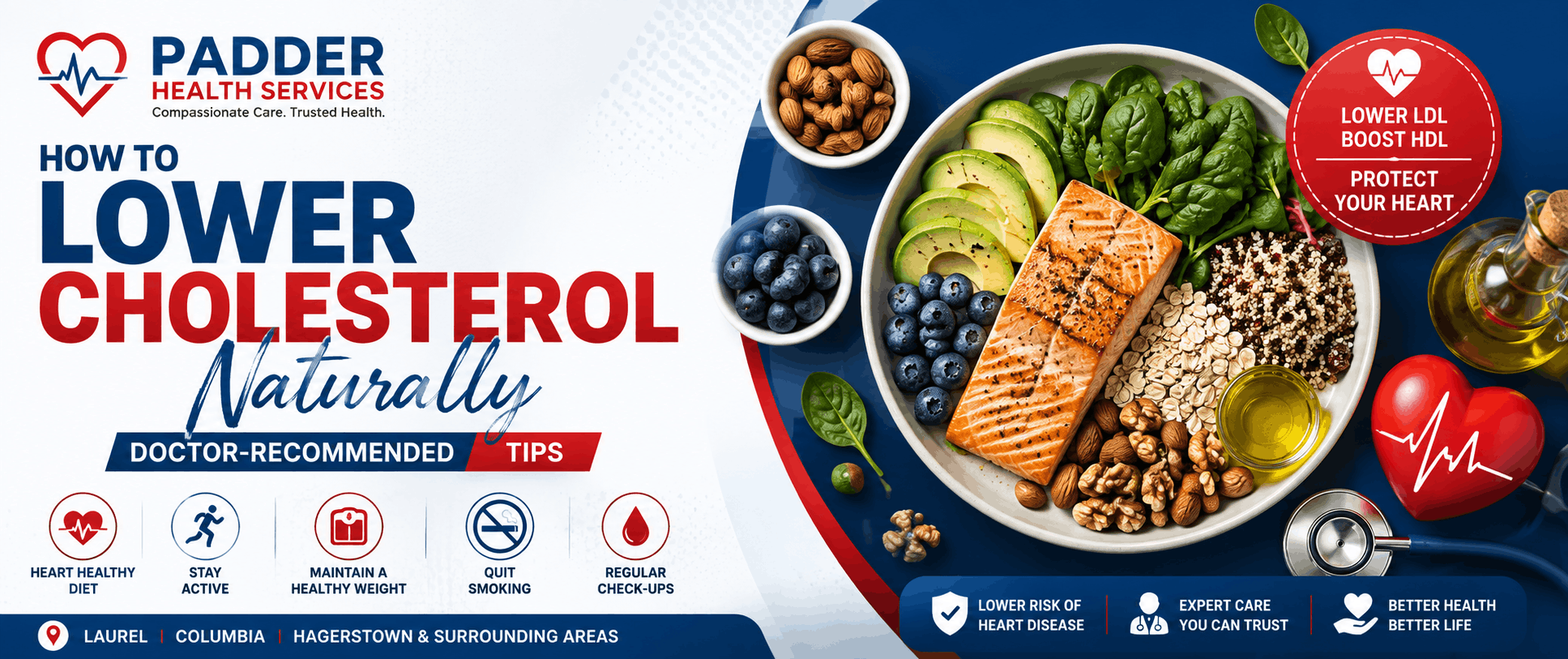
High cholesterol is one of the leading risk factors for heart disease, heart attack, and stroke, yet many people don’t realize they have it because it rarely causes noticeable symptoms. Fortunately, healthy lifestyle choices can significantly improve your cholesterol levels and reduce your risk of cardiovascular disease.
Whether you’ve recently been diagnosed with high cholesterol or simply want to improve your heart health, making small, consistent changes to your diet, exercise routine, and daily habits can make a lasting difference. At Padder Health Services, our experienced Primary Care physicians and Cardiologists help patients develop personalized plans to manage cholesterol and protect long-term heart health.
Did You Know?
High cholesterol usually has no symptoms. The only way to know your cholesterol levels is through a simple blood test performed during your annual wellness visit.
What Is Cholesterol?
Cholesterol is a waxy, fat-like substance found in every cell of your body. Your body needs cholesterol to produce hormones, vitamin D, and substances that help digest food. While your liver naturally produces all the cholesterol your body needs, additional cholesterol comes from the foods you eat.
Problems occur when too much cholesterol builds up in your bloodstream. Excess cholesterol can combine with other substances to form plaque inside your arteries, narrowing blood vessels and reducing blood flow to the heart and brain.

Understanding Good vs. Bad Cholesterol
Not all cholesterol is harmful. Healthcare providers measure several types of cholesterol to better understand your cardiovascular risk.
LDL Cholesterol (Bad)
Low-Density Lipoprotein (LDL) is known as “bad cholesterol” because high levels contribute to plaque buildup inside arteries, increasing the risk of heart attack and stroke.
HDL Cholesterol (Good)
High-Density Lipoprotein (HDL) helps remove excess cholesterol from your bloodstream and transports it back to the liver, where it is processed and removed from the body.
Triglycerides
Triglycerides are another type of fat found in the blood. High triglyceride levels combined with high LDL cholesterol further increase cardiovascular risk.
Total Cholesterol
Your total cholesterol is a combination of LDL, HDL, and triglycerides. Regular blood tests help monitor these levels and guide treatment decisions.
Healthy Goal
A healthy cholesterol profile generally includes low LDL, higher HDL, and normal triglycerides. Your healthcare provider can recommend target levels based on your age, medical history, and overall cardiovascular risk.
Why High Cholesterol Is Dangerous
High cholesterol slowly damages your arteries over many years without causing symptoms. As plaque accumulates, arteries become narrower and less flexible, reducing blood flow to vital organs.
If a plaque ruptures, a blood clot can form and completely block blood flow, causing a heart attack or stroke. Because this process occurs silently, routine cholesterol screenings are essential for early detection and prevention.
Warning
High cholesterol often has no warning signs. Waiting for symptoms may mean heart disease has already developed. Regular checkups and cholesterol testing are the best ways to protect your heart.

10 Doctor-Recommended Ways to Lower Cholesterol Naturally
The good news is that many people can improve their cholesterol levels without relying solely on medication. Healthy lifestyle changes not only lower LDL (“bad”) cholesterol but also increase HDL (“good”) cholesterol while reducing your overall risk of heart disease.
Below are doctor-recommended strategies that can help protect your heart and improve your long-term cardiovascular health.
1. Eat More Heart-Healthy Foods
Your diet plays one of the biggest roles in controlling cholesterol. Focus on foods rich in fiber, healthy fats, vitamins, and antioxidants that naturally support cardiovascular health.
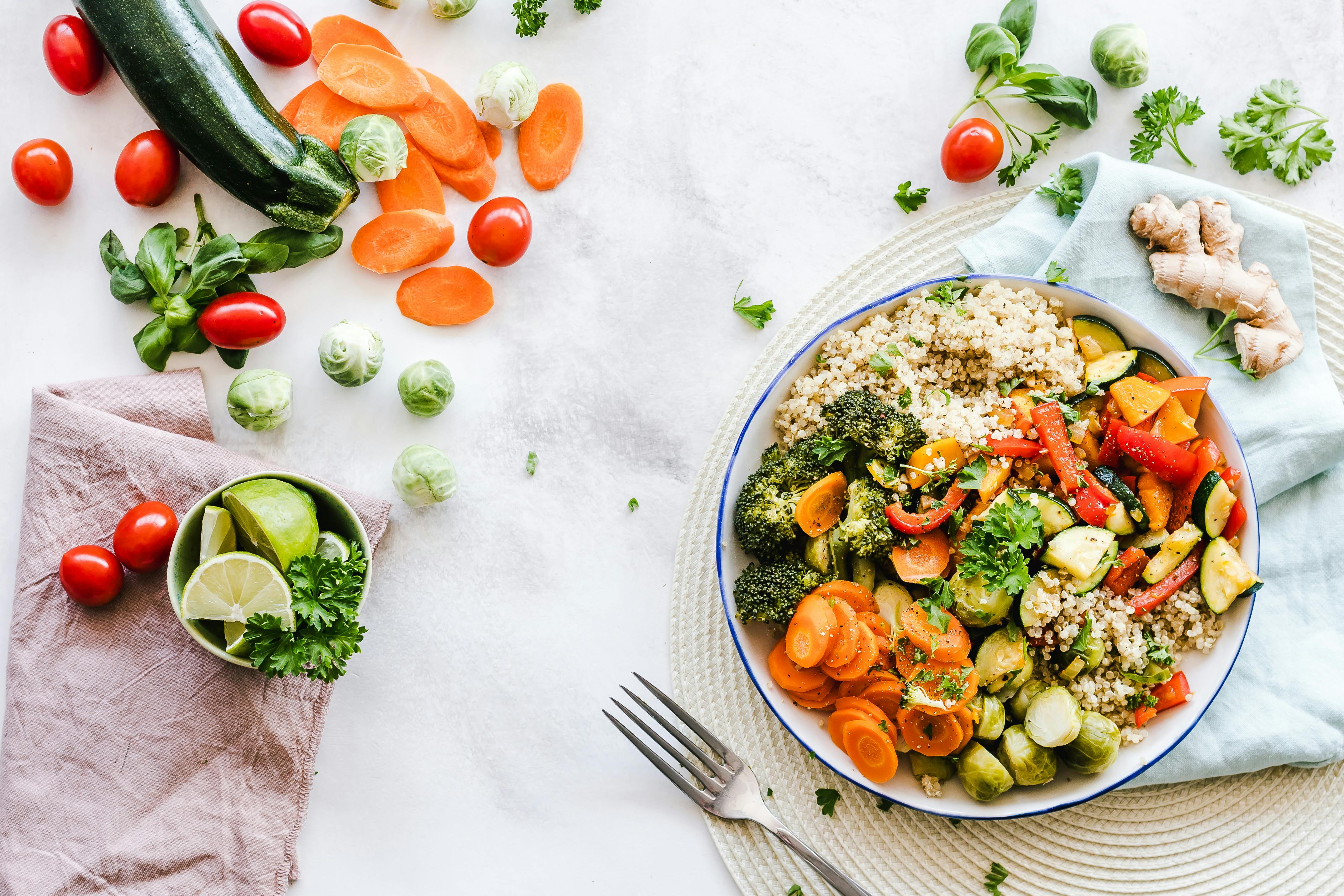
Best Foods for Lowering Cholesterol
- Oats and whole grains
- Fresh fruits
- Leafy green vegetables
- Beans and lentils
- Nuts and almonds
- Fatty fish (Salmon, Tuna)
- Olive oil
- Avocados
- Flaxseeds
- Chia seeds
2. Reduce Saturated and Trans Fats
Foods high in saturated and trans fats raise LDL cholesterol levels and increase plaque buildup inside your arteries.
Replacing unhealthy fats with healthier alternatives can significantly improve your cholesterol profile.
Limit These Foods
- Fried foods
- Processed snacks
- Fast food
- Butter
- Full-fat dairy products
- Fatty red meat
- Processed meats
- Commercial baked goods
3. Exercise Regularly
Regular physical activity helps increase HDL (“good”) cholesterol while lowering LDL cholesterol and triglycerides.
Healthcare experts recommend at least 150 minutes of moderate exercise each week for optimal heart health.

Simple Activities Include:
- Walking
- Jogging
- Cycling
- Swimming
- Yoga
- Strength Training
- Dancing
4. Maintain a Healthy Weight
Even modest weight loss can improve cholesterol levels, reduce blood pressure, and lower the risk of developing diabetes and heart disease.
Losing just 5–10% of your body weight may produce meaningful improvements in cardiovascular health.
5. Quit Smoking
Smoking damages blood vessels, lowers HDL cholesterol, and greatly increases the risk of heart attack and stroke.
Within weeks of quitting smoking, your circulation improves and your heart begins to recover from years of tobacco-related damage.
6. Limit Alcohol Consumption
Excessive alcohol intake can increase triglyceride levels, contribute to weight gain, and raise blood pressure.
If you drink alcohol, do so in moderation and discuss safe limits with your healthcare provider.
7. Increase Soluble Fiber Intake
Soluble fiber binds cholesterol inside the digestive tract and helps remove it from the body before it enters the bloodstream.
Foods Rich in Soluble Fiber
- Oatmeal
- Apples
- Pears
- Beans
- Lentils
- Brussels sprouts
- Sweet potatoes
- Barley
8. Choose Healthy Fats
Replace saturated fats with healthier unsaturated fats found in olive oil, nuts, seeds, and fatty fish.
These healthy fats help lower LDL cholesterol while supporting heart and brain health.
9. Manage Stress
Chronic stress may contribute to unhealthy eating habits, weight gain, high blood pressure, and elevated cholesterol levels.
Practicing relaxation techniques such as meditation, deep breathing, walking, and spending time with family can improve both mental and cardiovascular health.
10. Get Regular Cholesterol Screenings
High cholesterol usually develops without symptoms, making routine cholesterol testing one of the most important preventive healthcare measures.
Your healthcare provider can monitor changes over time and recommend lifestyle modifications or medications when necessary.
Heart Health Reminder
Knowing your cholesterol numbers today can help prevent serious cardiovascular disease tomorrow.
Lifestyle Habits That Improve Heart Health
Lowering cholesterol is only one part of protecting your heart. Combining healthy eating with regular exercise, stress management, quality sleep, and routine medical care provides the greatest long-term benefits.
- Exercise most days of the week
- Drink plenty of water
- Sleep 7–9 hours each night
- Avoid tobacco products
- Maintain a healthy weight
- Control blood pressure
- Manage diabetes effectively
- Schedule annual wellness visits

When Lifestyle Changes May Not Be Enough
Although many people successfully lower their cholesterol through healthy eating, regular exercise, and weight management, lifestyle changes alone may not always be sufficient. Genetics, age, diabetes, and existing heart disease can all contribute to persistently high cholesterol levels.
If your cholesterol remains elevated despite healthy lifestyle habits, your healthcare provider may recommend medication to reduce your cardiovascular risk while continuing to encourage healthy daily habits.

Important Reminder
Never stop taking cholesterol medication without consulting your healthcare provider. Lifestyle changes and medications often work best together to protect your heart.
Common Cholesterol Treatment Options
Treatment plans are personalized based on your cholesterol levels, age, family history, existing medical conditions, and overall cardiovascular risk.
Lifestyle Modification
Healthy eating, regular physical activity, weight loss, and smoking cessation remain the foundation of cholesterol management.
Statin Medications
Statins help lower LDL (“bad”) cholesterol and significantly reduce the risk of heart attack and stroke in many patients.
Cholesterol Monitoring
Routine blood tests help monitor cholesterol levels and evaluate how well treatment is working over time.
Personalized Care
Every patient receives individualized recommendations based on their overall health and long-term wellness goals.
When Should You See a Doctor?
Because high cholesterol rarely causes symptoms, regular preventive checkups are the best way to identify elevated cholesterol before complications develop.
Schedule an appointment if you:
- Have a family history of heart disease.
- Have diabetes or high blood pressure.
- Are overweight or obese.
- Smoke or previously smoked.
- Have previously been diagnosed with high cholesterol.
- Are over age 40 and haven’t had a cholesterol test recently.
- Have experienced chest pain or shortness of breath.
How Padder Health Services Can Help
At Padder Health Services, our experienced Primary Care physicians and Cardiologists provide comprehensive cholesterol screening, cardiovascular risk assessments, preventive healthcare, and personalized treatment plans to help patients improve their heart health.
Whether you need routine cholesterol testing, lifestyle counseling, medication management, or advanced cardiovascular care, our team is committed to helping you achieve long-term wellness.
Our Heart Health Services Include
- Annual Wellness Exams
- Preventive Health Screenings
- Cholesterol Testing
- Heart Disease Risk Assessment
- Blood Pressure Management
- Diabetes Management
- Weight Management Programs
- Preventive Cardiology
- Nutrition & Lifestyle Counseling
- Long-Term Chronic Disease Management
Frequently Asked Questions
What is considered a healthy cholesterol level?
Healthy cholesterol levels vary depending on your age and health history. In general, lower LDL (“bad”) cholesterol and higher HDL (“good”) cholesterol are associated with better heart health.
Can cholesterol be lowered without medication?
Yes. Many people improve their cholesterol through a heart-healthy diet, regular exercise, weight management, and other lifestyle changes. Some individuals, however, may still require medication based on their cardiovascular risk.
How often should cholesterol be checked?
Most adults should have their cholesterol checked every four to six years. People with diabetes, heart disease, high blood pressure, or elevated cholesterol may require more frequent testing.
What foods should I avoid if I have high cholesterol?
Limit fried foods, processed meats, full-fat dairy products, sugary snacks, fast food, and foods high in saturated or trans fats. Focus instead on fruits, vegetables, whole grains, lean proteins, and healthy fats.
Can exercise really lower cholesterol?
Absolutely. Regular physical activity can increase HDL (“good”) cholesterol, lower triglycerides, improve circulation, and reduce your overall risk of cardiovascular disease.
Protect Your Heart—Start Today
Healthy cholesterol levels are one of the keys to a healthy heart. Don’t wait until heart disease develops. Schedule your cholesterol screening and annual wellness exam with the experienced healthcare team at Padder Health Services.
Final Thoughts
Learning how to lower cholesterol naturally is one of the best investments you can make in your long-term health. Small, consistent lifestyle changes—including eating a heart-healthy diet, exercising regularly, maintaining a healthy weight, and scheduling routine medical checkups—can significantly reduce your risk of heart attack, stroke, and other cardiovascular diseases.
At Padder Health Services, we are dedicated to helping patients improve their heart health through personalized care, preventive screenings, and evidence-based treatment plans. Whether you’re managing high cholesterol for the first time or looking to maintain healthy levels, our team is here to support your journey toward better health.
Related Services
- Primary Care Services
- Cardiology Services
- Internal Medicine
- Family Medicine
- Meet Our Providers
- Our Maryland Locations
- Request an Appointment
Your Heart Deserves the Best Care
Managing cholesterol isn’t just about lowering a number on a lab report—it’s about protecting your heart, preventing future health problems, and enjoying a healthier, more active life. Partner with the experienced physicians at Padder Health Services and take the first step toward lifelong heart health.