
-
 August 7, 2026
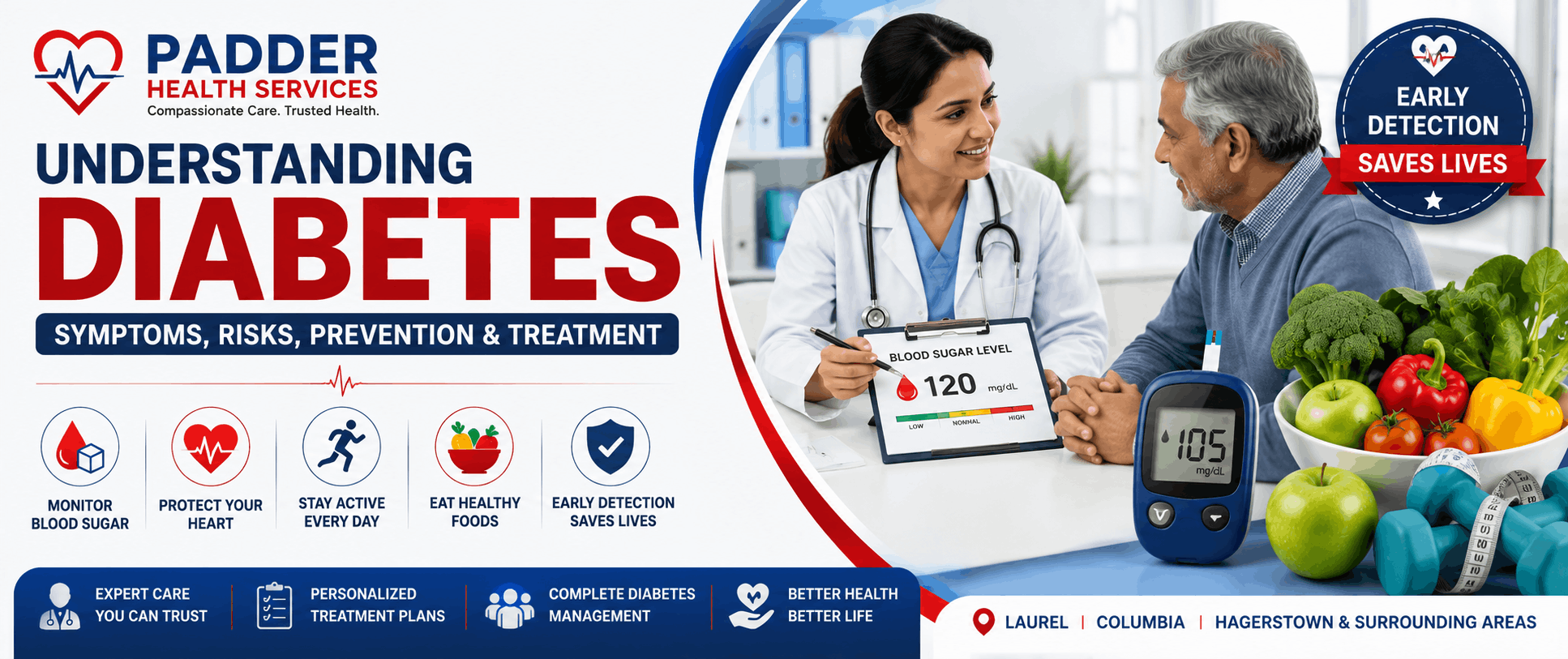
Diabetes is one of the most common chronic health conditions worldwide, affecting millions of adults and children. It occurs when the body cannot properly regulate blood sugar (glucose), leading to elevated blood glucose levels that can damage the heart, kidneys, eyes, nerves, and other organs over time.
The good news is that diabetes can often be prevented, detected early, and effectively managed through healthy lifestyle habits, routine medical care, and personalized treatment plans. At Padder Health Services, our experienced Primary Care physicians help patients understand diabetes, manage blood sugar levels, and reduce the risk of serious long-term complications.
Did You Know?
More than one in three adults has prediabetes, and many don’t know they have it because symptoms are often mild or absent. Early screening can help prevent Type 2 diabetes.
What Is Diabetes?
Diabetes is a condition in which the body has difficulty producing insulin, using insulin effectively, or both. Insulin is a hormone made by the pancreas that helps move glucose from the bloodstream into the body’s cells, where it is used for energy.
When insulin isn’t working properly, glucose builds up in the blood instead of entering the cells. Over time, high blood sugar levels can damage blood vessels and vital organs, increasing the risk of heart disease, stroke, kidney disease, vision loss, and nerve damage.

Types of Diabetes
Although all forms of diabetes affect blood sugar, there are several different types, each with unique causes and treatment approaches.
Type 1 Diabetes
Type 1 diabetes is an autoimmune condition in which the body’s immune system attacks the insulin-producing cells of the pancreas. People with Type 1 diabetes require lifelong insulin therapy.
Type 2 Diabetes
Type 2 diabetes is the most common form. It develops when the body becomes resistant to insulin or does not produce enough insulin to maintain normal blood sugar levels.
Prediabetes
Prediabetes occurs when blood sugar levels are higher than normal but not yet high enough for a diabetes diagnosis. Lifestyle changes can often prevent progression to Type 2 diabetes.
Gestational Diabetes
Gestational diabetes develops during pregnancy and usually resolves after childbirth. However, it increases the mother’s future risk of developing Type 2 diabetes.
Good News
Early diagnosis and healthy lifestyle changes can delay or even prevent Type 2 diabetes in many individuals with prediabetes.
Common Symptoms of Diabetes
Diabetes symptoms often develop gradually, especially in Type 2 diabetes. Some people experience very mild symptoms, while others may not notice any signs until complications occur.
- Frequent urination
- Excessive thirst
- Increased hunger
- Unexplained weight loss
- Persistent fatigue
- Blurred vision
- Slow-healing cuts and wounds
- Frequent infections
- Numbness or tingling in the hands and feet
- Dry skin
When to Seek Medical Care
If you experience excessive thirst, frequent urination, unexplained weight loss, blurred vision, or persistent fatigue, schedule an appointment with your healthcare provider. Early diagnosis can help prevent serious diabetes-related complications.

What Causes Diabetes?
Diabetes develops when the body cannot produce enough insulin or cannot use insulin effectively. While Type 1 diabetes is caused by an autoimmune response, Type 2 diabetes is largely influenced by genetics, lifestyle, and environmental factors.
Although some risk factors cannot be changed, many cases of Type 2 diabetes can be prevented through healthy eating, regular physical activity, maintaining a healthy weight, and routine medical care.

Common Risk Factors for Type 2 Diabetes
- Being overweight or obese
- Physical inactivity
- Family history of diabetes
- Age over 45
- High blood pressure
- High cholesterol
- History of gestational diabetes
- Prediabetes
- Poor eating habits
- Smoking
Complications of Uncontrolled Diabetes
When blood sugar remains elevated over time, it can damage blood vessels, nerves, and vital organs throughout the body. This is why early diagnosis and proper diabetes management are so important.
Diabetes Can Increase the Risk of:
- Heart Disease
- Heart Attack
- Stroke
- Kidney Disease
- Vision Loss and Blindness
- Nerve Damage (Neuropathy)
- Poor Circulation
- Foot Ulcers
- Amputations
- Dental Disease
People with diabetes are also more likely to develop high blood pressure and high cholesterol, making regular preventive care essential for protecting long-term health.
Can Diabetes Be Prevented?
While Type 1 diabetes cannot currently be prevented, many cases of Type 2 diabetes can be delayed or prevented through healthy lifestyle choices. Even small improvements in daily habits can significantly reduce your risk.
Eat Healthy
Choose a balanced diet rich in vegetables, fruits, lean proteins, whole grains, legumes, and healthy fats while limiting sugary drinks and processed foods.
Stay Active
Aim for at least 150 minutes of moderate exercise each week to improve insulin sensitivity and help maintain healthy blood sugar levels.
Maintain a Healthy Weight
Losing even 5–10% of excess body weight can significantly reduce the risk of developing Type 2 diabetes.
Routine Screenings
Regular blood sugar testing helps detect prediabetes and diabetes early, allowing treatment before complications develop.

Healthy Foods That Help Control Blood Sugar
A healthy diet is one of the most effective ways to manage diabetes and reduce the risk of complications. Focus on foods that provide steady energy while minimizing blood sugar spikes.
Best Foods for People with Diabetes
- Leafy green vegetables
- Whole grains
- Oats
- Beans and lentils
- Fresh berries
- Apples
- Greek yogurt
- Salmon and other fatty fish
- Chicken and turkey
- Nuts and seeds
- Olive oil
- Avocados
Foods to Limit
Certain foods can cause rapid increases in blood sugar and contribute to weight gain. Limiting these foods can help improve blood sugar control and overall health.
Limit These Foods
- Sugary beverages
- Candy
- Pastries and desserts
- White bread
- White rice
- Processed snacks
- Fast food
- Fried foods
- Processed meats
- Highly processed breakfast cereals
Healthy Lifestyle Habits for Better Blood Sugar Control
Managing diabetes involves more than simply taking medication. Daily habits have a major impact on blood sugar levels, cardiovascular health, and overall well-being.
- Exercise regularly.
- Drink plenty of water.
- Sleep 7–9 hours each night.
- Reduce stress.
- Avoid smoking.
- Limit alcohol consumption.
- Monitor your blood sugar as recommended.
- Take medications exactly as prescribed.
- Keep regular medical appointments.
- Schedule annual eye and foot examinations.
Remember
Managing diabetes is a lifelong journey. Consistent healthy habits, regular medical care, and ongoing support from your healthcare team can help you live a long, active, and healthy life.
Treatment Options for Diabetes
Diabetes treatment depends on the type of diabetes, blood sugar levels, age, overall health, and individual medical needs. The primary goal of treatment is to maintain healthy blood glucose levels and prevent long-term complications.
Your healthcare provider will develop a personalized treatment plan that may include healthy lifestyle changes, medications, regular monitoring, and routine follow-up visits.
Healthy Lifestyle
Nutritious eating, regular physical activity, weight management, and quitting smoking form the foundation of diabetes care.
Blood Sugar Monitoring
Checking blood glucose regularly helps ensure treatment is working and allows your healthcare provider to make adjustments when necessary.
Medications
Many people with Type 2 diabetes benefit from oral medications or injectable therapies that help control blood sugar levels.
Insulin Therapy
People with Type 1 diabetes and some individuals with Type 2 diabetes require insulin to maintain healthy blood glucose levels.
When Should You See a Doctor?
Early diagnosis is one of the most effective ways to prevent diabetes-related complications. You should schedule a medical evaluation if you notice symptoms of diabetes or have risk factors such as obesity, high blood pressure, high cholesterol, or a family history of diabetes.
Seek Medical Care If You Experience:
- Frequent urination
- Excessive thirst
- Blurred vision
- Persistent fatigue
- Unexpected weight loss
- Slow-healing wounds
- Numbness or tingling in the feet
- Repeated infections
How Padder Health Services Can Help
At Padder Health Services, our experienced Primary Care physicians provide comprehensive diabetes screening, diagnosis, treatment, and long-term disease management. We work closely with each patient to develop individualized care plans that improve blood sugar control and reduce the risk of complications.
Because diabetes significantly increases the risk of heart disease and stroke, our integrated Primary Care and Cardiology teams collaborate to provide complete cardiovascular risk assessment and preventive care.
Our Diabetes Care Services Include
- Diabetes Screening
- Prediabetes Evaluation
- Blood Sugar Monitoring
- HbA1c Testing
- Medication Management
- Nutrition Counseling
- Weight Management
- Blood Pressure Control
- Cholesterol Management
- Heart Disease Risk Assessment
Frequently Asked Questions
Can diabetes be cured?
There is currently no cure for diabetes. However, Type 2 diabetes can often be successfully managed—and in some cases placed into remission—through healthy lifestyle changes, weight loss, and medical treatment.
What is prediabetes?
Prediabetes means blood sugar levels are higher than normal but not yet high enough to be diagnosed as Type 2 diabetes. Without intervention, many people with prediabetes eventually develop diabetes.
How often should I have my blood sugar checked?
Adults with diabetes should follow their healthcare provider’s recommendations. Individuals at increased risk should undergo regular diabetes screening during routine wellness visits.
Can exercise lower blood sugar?
Yes. Regular physical activity helps your body use insulin more effectively, lowers blood sugar levels, improves heart health, and supports healthy weight management.
Why is diabetes linked to heart disease?
High blood sugar damages blood vessels over time, increasing the risk of heart attack, stroke, high blood pressure, and other cardiovascular diseases. Managing diabetes helps protect both your heart and overall health.
Take Control of Your Health Today
Whether you’re concerned about diabetes, prediabetes, or your overall health, the experienced healthcare team at Padder Health Services is here to help. Early diagnosis, personalized treatment, and preventive care can help you live a healthier life.
Final Thoughts
Understanding diabetes is the first step toward preventing serious health complications. By recognizing the symptoms, knowing your risk factors, adopting healthy lifestyle habits, and receiving regular medical care, you can effectively manage diabetes and protect your long-term health.
At Padder Health Services, we are committed to helping individuals and families across Maryland achieve better health through comprehensive Primary Care, preventive screenings, diabetes management, and coordinated cardiovascular care.
If you have concerns about your blood sugar or are due for a routine health screening, schedule an appointment with our experienced healthcare team today. Together, we can help you build a healthier future.
Related Services
- Primary Care Services
- Internal Medicine
- Family Medicine
- Cardiology Services
- Meet Our Providers
- Our Maryland Locations
- Request an Appointment
Healthy Living Starts with Prevention
Routine health screenings, balanced nutrition, regular exercise, and ongoing medical care are the best ways to prevent diabetes complications and maintain a healthy, active lifestyle. The team at Padder Health Services is here to support you every step of the way.