-
 August 9, 2026
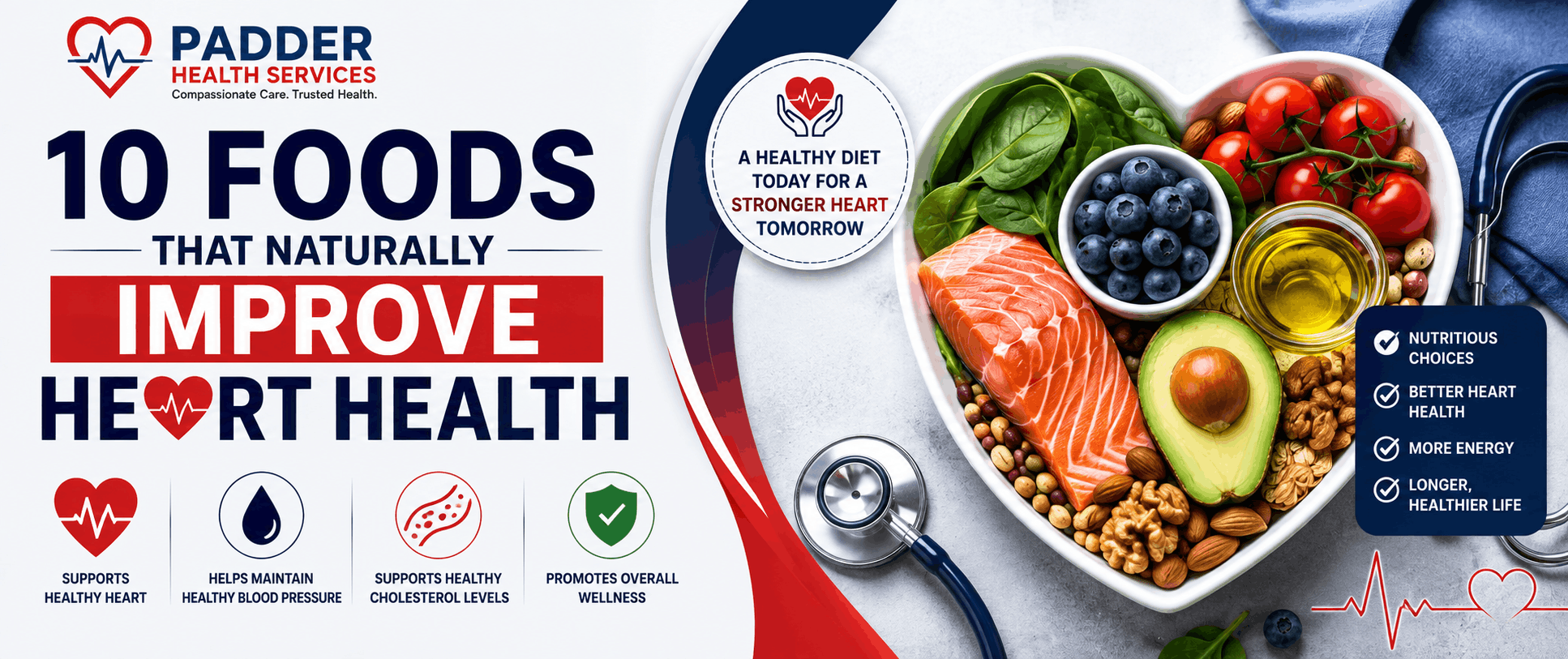
What you eat plays an important role in your overall cardiovascular heart health. A heart-healthy diet can help support healthy cholesterol levels, blood pressure, body weight, and blood sugar while reducing your risk of developing certain forms of cardiovascular disease.
The good news is that improving your diet does not require giving up every food you enjoy. Small, consistent changes—such as eating more fruits, vegetables, whole grains, lean proteins, and healthy fats—can make a meaningful difference over time.
At Padder Health Services, our Primary Care physicians and Cardiologists encourage patients to focus on preventive care and healthy lifestyle habits that support long-term heart health.
Heart Health Starts with Everyday Choices
No single food can guarantee protection against heart disease. However, a balanced eating pattern rich in nutrient-dense foods can support healthy cholesterol, blood pressure, circulation, and overall cardiovascular wellness.
Why Is Diet Important for Heart Health?
Your heart and blood vessels are affected by many factors, including cholesterol, blood pressure, blood sugar, inflammation, physical activity, body weight, smoking, and family history. The foods you eat can influence several of these factors.
For example, foods high in soluble fiber may help support healthy cholesterol levels, while foods rich in unsaturated fats can be part of a heart-healthy eating pattern. Fruits and vegetables provide important vitamins, minerals, fiber, and naturally occurring compounds that support overall health.
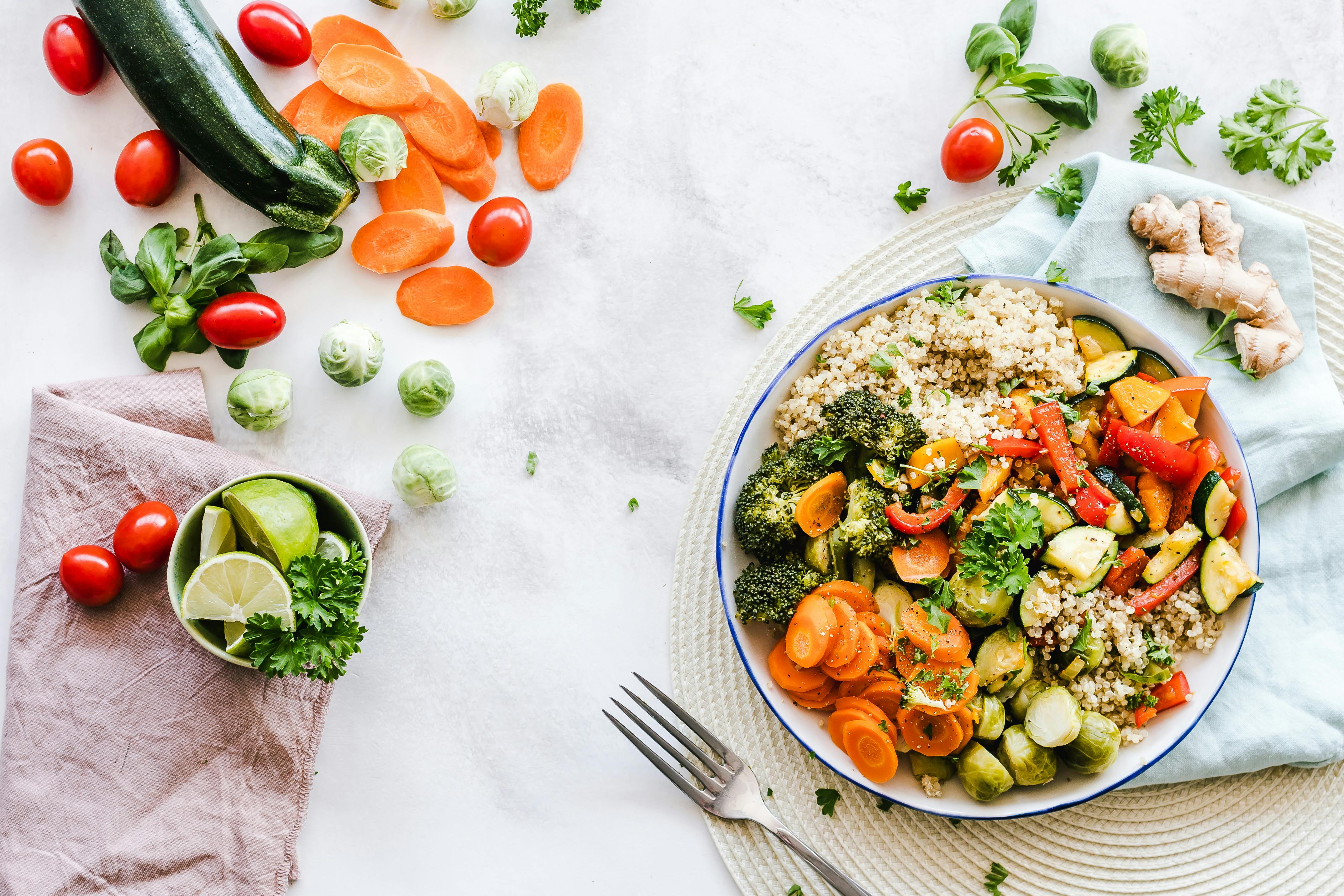
1. Fatty Fish
Fatty fish such as salmon, mackerel, sardines, and trout are rich in omega-3 fatty acids. These healthy fats play an important role in cardiovascular health and can be part of a balanced heart-healthy diet.
Try including fish in your meals regularly and choose preparation methods such as baking, grilling, or broiling instead of deep frying.
Heart-Healthy Tip
Aim to include fish as part of your weekly meal plan. If you have questions about your individual dietary needs, discuss them with your healthcare provider.
2. Oats and Whole Grains
Oats contain soluble fiber, including beta-glucan, which can support healthy cholesterol levels as part of an overall balanced diet. Other whole grains such as barley, brown rice, and whole-grain breads can also provide fiber and important nutrients.
Replacing refined grains with whole grains is a simple dietary change that may support better long-term cardiovascular health.
Try Oatmeal
Start your day with plain oatmeal topped with fresh fruit, nuts, or seeds instead of sugary breakfast cereals.
Choose Whole Grains
Choose whole-grain bread, brown rice, quinoa, or barley more often instead of refined grains.
Increase Fiber Gradually
Adding more fiber slowly and drinking enough water can help your body adjust comfortably.

3. Leafy Green Vegetables
Leafy green vegetables such as spinach, kale, collard greens, and Swiss chard are packed with vitamins, minerals, fiber, and other beneficial nutrients.
Eating a variety of vegetables can help support healthy weight management and provide nutrients that contribute to overall cardiovascular wellness.
Easy Idea
Add spinach to eggs, soups, smoothies, salads, or sandwiches to increase your daily vegetable intake.
4. Berries
Berries such as blueberries, strawberries, raspberries, and blackberries are rich in fiber and naturally occurring antioxidants. They are also a nutritious alternative to many processed snacks and desserts that contain high amounts of added sugar.
Adding berries to a balanced diet can support overall health while providing important vitamins and nutrients.

Easy Serving Idea
Add fresh or frozen berries to oatmeal, plain yogurt, smoothies, or salads. Choose options without added sugar whenever possible.
5. Nuts and Seeds
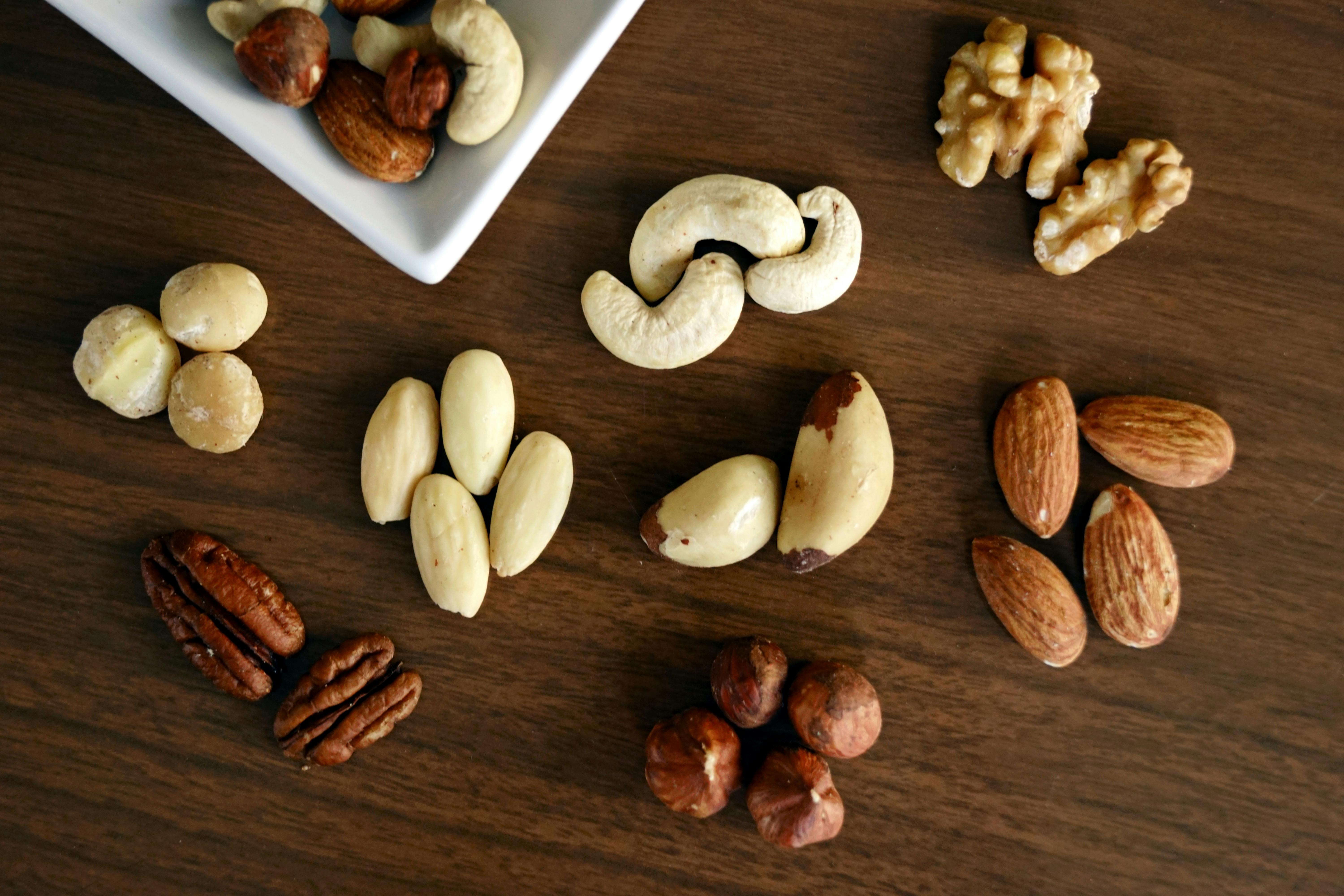
Nuts and seeds can be part of a heart-healthy eating pattern. Almonds, walnuts, pistachios, chia seeds, flaxseeds, and pumpkin seeds provide healthy unsaturated fats, fiber, protein, and important nutrients.
Because nuts and seeds are calorie-dense, portion size is important. A small handful can make a satisfying snack or a nutritious addition to meals.
Walnuts
Walnuts contain beneficial unsaturated fats and can be added to salads, oatmeal, or yogurt.
Almonds
Almonds provide protein, fiber, and healthy fats and make an easy heart-healthy snack.
Flaxseeds
Ground flaxseeds can be added to smoothies, oatmeal, or yogurt for extra fiber and nutrients.
Smart Snacking Tip
Choose unsalted or lightly salted nuts when possible, especially if you are managing high blood pressure.
6. Beans and Legumes
Beans, lentils, chickpeas, and peas are excellent sources of plant-based protein and fiber. They are naturally low in saturated fat and can be used as part of a balanced diet that supports cardiovascular health.
The fiber in beans and legumes may help support healthy cholesterol levels while also helping you feel full for longer periods.
Try Adding More:
- Black beans
- Kidney beans
- Chickpeas
- Lentils
- Split peas
- Edamame
7. Avocados

Avocados are rich in monounsaturated fats and contain fiber, potassium, and several important nutrients. They can be a healthier alternative to foods high in saturated fats.
Try using avocado as a spread on whole-grain toast, adding it to salads, or including it in sandwiches and balanced meals.
Simple Swap
Instead of creamy spreads that are high in saturated fat, try mashed avocado with herbs and a small amount of lemon juice.
8. Olive Oil
Olive oil is a key part of Mediterranean-style eating patterns and is rich in monounsaturated fats. Replacing some sources of saturated fat with unsaturated fats may support healthy cholesterol levels when combined with an overall balanced diet.
Use olive oil for cooking, salad dressings, or as part of homemade sauces and marinades.
Heart-Healthy Cooking Tip
Focus on replacing less healthy fats rather than simply adding more oil to your diet. Overall portion size and total calorie intake still matter.
A Simple Heart-Healthy Plate
One easy way to build a more nutritious meal is to think about balance. Fill a large portion of your plate with vegetables, include a source of lean protein, choose whole grains or other high-fiber carbohydrates, and add small amounts of healthy fats.
½ Your Plate
Vegetables and fruits, with an emphasis on a variety of colorful options.
¼ Your Plate
Lean protein such as fish, chicken, beans, lentils, or other nutritious protein sources.
¼ Your Plate
Whole grains or other high-fiber carbohydrate options such as brown rice, quinoa, oats, or barley.
Remember: A Healthy Diet Is About Patterns
There is no single “magic food” that prevents heart disease. The greatest benefits come from following a consistent, balanced eating pattern along with regular physical activity, adequate sleep, avoiding tobacco, and managing conditions such as high blood pressure, diabetes, and high cholesterol.
9. Tomatoes
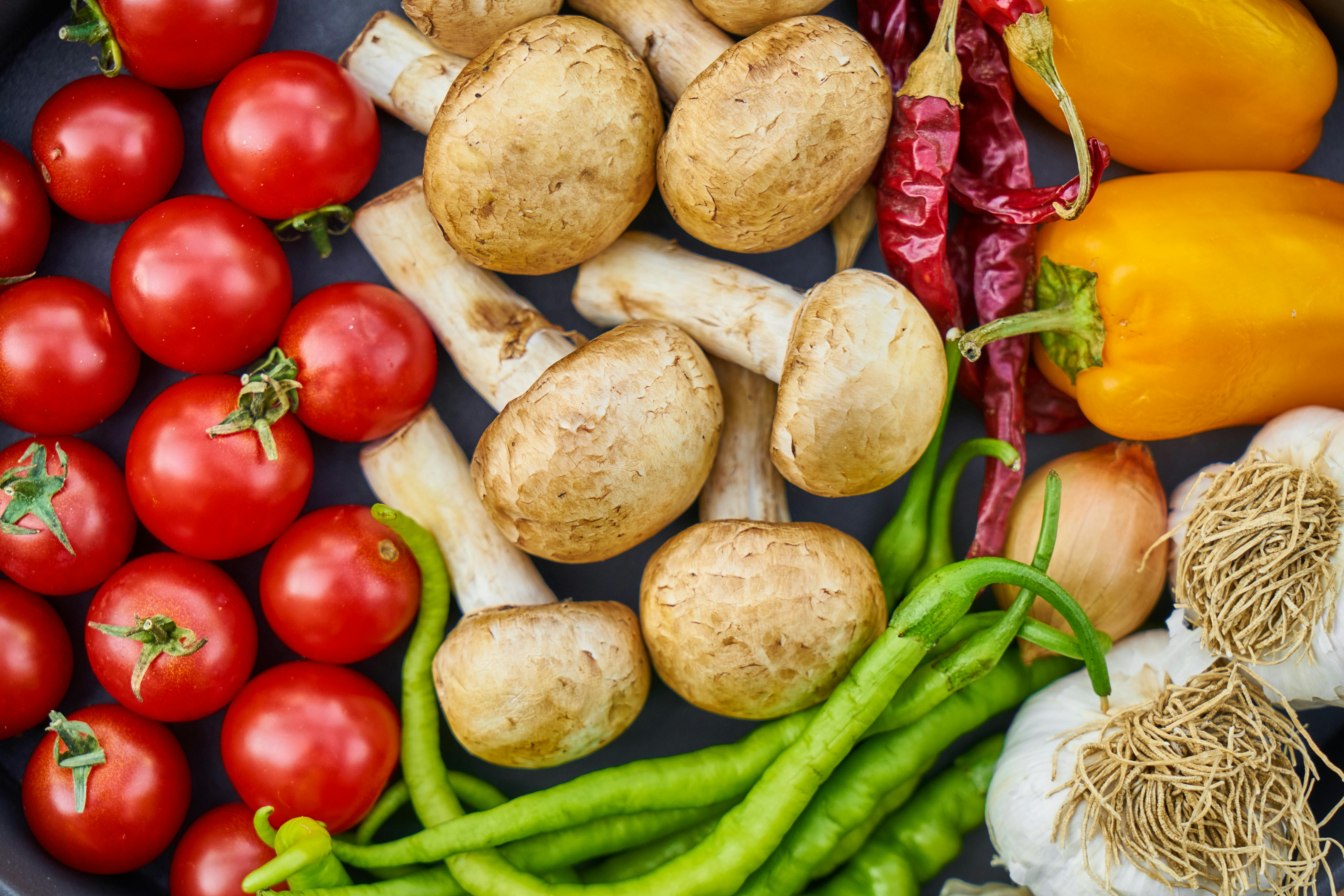
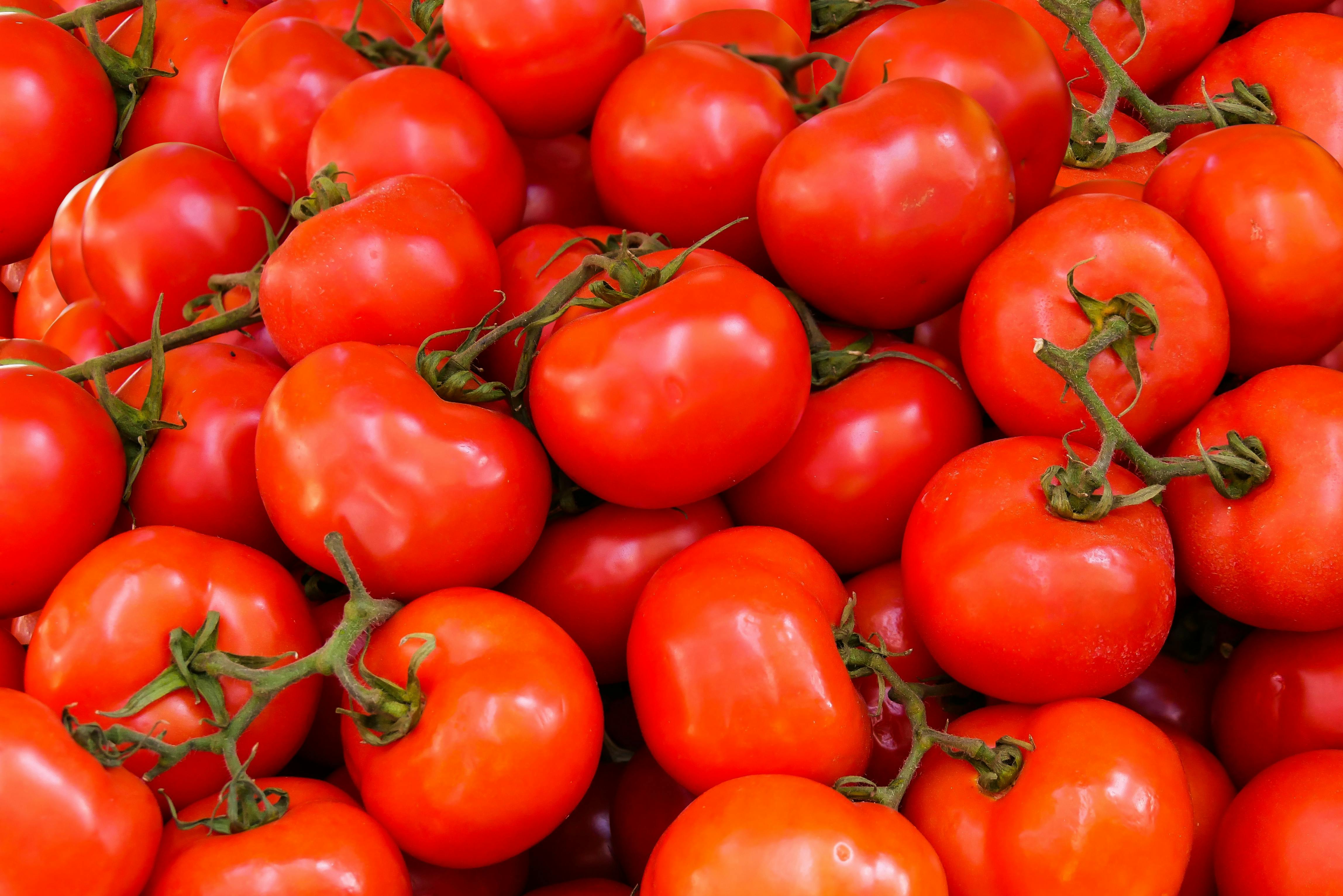
Tomatoes are a nutritious addition to a heart-healthy eating pattern. They provide vitamins, minerals, and naturally occurring antioxidants, including lycopene. Fresh, cooked, and canned tomatoes can all be included in balanced meals.
Try adding tomatoes to salads, soups, sandwiches, whole-grain pasta dishes, or homemade sauces. When choosing canned tomato products, check the label and look for options with less added sodium.
Easy Heart-Healthy Meal Idea
Combine tomatoes, leafy greens, beans, whole grains, and a small amount of olive oil for a simple, nutrient-rich meal.
10. Dark Chocolate
Dark chocolate can occasionally be part of a balanced diet. Cocoa contains naturally occurring compounds called flavanols, which have been studied for their potential cardiovascular benefits.
However, chocolate should still be enjoyed in moderation because many products contain added sugar and calories. Choose dark chocolate with a higher cocoa content and keep portions small.
Enjoy in Moderation
Dark chocolate is not a substitute for a healthy diet, exercise, or medical treatment. Think of it as an occasional addition to an overall heart-healthy lifestyle.
Foods and Eating Habits to Limit for Better Heart Health
Improving heart health is not only about adding nutritious foods to your diet. Reducing foods that are high in saturated fat, sodium, added sugars, and highly processed ingredients can also support your cardiovascular health.
Consider Limiting:
- Processed meats
- Deep-fried foods
- Fast food
- Sugary beverages
- Highly processed snacks
- Foods high in saturated fat
- Foods containing trans fats
- Excessive sodium
- Large portions of refined carbohydrates
- Frequent high-sugar desserts
The goal is not necessarily to eliminate every favorite food forever. Instead, focus on making healthier choices more often and building sustainable habits that fit your lifestyle.
How to Build a Heart-Healthy Eating Plan
A heart-healthy eating plan should be practical, balanced, and sustainable. Rather than following a short-term restrictive diet, focus on creating healthy habits that you can maintain for years.
Eat More Plants
Include vegetables, fruits, beans, lentils, nuts, seeds, and whole grains regularly.
Choose Healthy Proteins
Include fish, poultry, beans, lentils, and other lean or plant-based protein sources.
Choose Healthy Fats
Use foods such as olive oil, nuts, seeds, avocados, and fatty fish as part of a balanced diet.
Watch Portion Sizes
Even healthy foods can contribute to excess calorie intake when eaten in very large portions.

A Sample Heart-Healthy Day of Eating
Breakfast
A bowl of oatmeal topped with berries, a small handful of walnuts, and unsweetened yogurt.
Lunch
A large salad with leafy greens, tomatoes, chickpeas, avocado, grilled chicken or salmon, and an olive oil-based dressing.
Healthy Snack
Fresh fruit with a small handful of unsalted almonds or walnuts.
Dinner
Baked salmon or beans with roasted vegetables, brown rice or another whole grain, and a side salad.
Small Changes Add Up
You do not need to change everything overnight. Start by replacing one less nutritious meal or snack with a healthier option and gradually build from there.
Diet Is Only One Part of Heart Health
Eating nutritious foods is important, but protecting your heart requires a complete approach to health. Your individual cardiovascular risk may also be affected by family history, age, blood pressure, cholesterol levels, diabetes, physical activity, smoking, and other medical conditions.
For better heart health, consider combining healthy eating with regular exercise, quality sleep, stress management, avoiding tobacco, maintaining a healthy weight, and attending routine medical checkups.
- Exercise regularly
- Monitor your blood pressure
- Check cholesterol levels as recommended
- Manage diabetes and blood sugar
- Maintain a healthy weight
- Avoid tobacco products
- Get adequate sleep
- Manage stress
- Keep regular medical appointments
When Should You See a Cardiologist?
Healthy eating is an important part of prevention, but some people may need additional medical evaluation or specialized cardiovascular care.
Consider speaking with a healthcare provider if you have high cholesterol, high blood pressure, diabetes, a family history of heart disease, or other cardiovascular risk factors.
Seek Prompt Medical Attention for Symptoms Such As:
- New or severe chest pain or pressure
- Shortness of breath
- Sudden weakness or numbness
- Fainting or severe dizziness
- New or unusual heart palpitations
If you believe you may be experiencing a medical emergency, seek emergency medical care immediately.
How Padder Health Services Can Help
At Padder Health Services, our experienced Primary Care providers and Cardiologists help patients understand and manage important cardiovascular risk factors, including high blood pressure, high cholesterol, diabetes, and other chronic medical conditions.
Our healthcare team can provide preventive screenings, cardiovascular evaluations, personalized treatment recommendations, and ongoing care based on your individual health needs.
Our Heart Health Services Include
- Preventive health screenings
- Blood pressure management
- Cholesterol evaluation and management
- Diabetes management
- Cardiovascular risk assessment
- Preventive cardiology
- Heart disease evaluation
- Nutrition and lifestyle guidance
- Long-term chronic disease management
Frequently Asked Questions
What is the best food for heart health?
There is no single best food for everyone. A heart-healthy eating pattern typically includes a variety of vegetables, fruits, whole grains, beans, nuts, seeds, healthy fats, and lean protein sources.
Can food lower cholesterol?
Dietary changes can help improve cholesterol levels, particularly when combined with regular exercise, healthy weight management, and other lifestyle changes. Some people may also need medication based on their overall cardiovascular risk.
Is the Mediterranean diet good for heart health?
Mediterranean-style eating patterns emphasize vegetables, fruits, whole grains, legumes, nuts, fish, and unsaturated fats such as olive oil. Many people find this type of eating pattern practical and sustainable.
Are eggs bad for the heart?
Eggs can be included in many healthy diets. The right amount may depend on your individual health conditions, overall diet, and cardiovascular risk. Ask your healthcare provider for personalized guidance.
Can diet alone prevent heart disease?
A healthy diet can reduce cardiovascular risk, but it cannot eliminate all risk. Genetics, age, existing medical conditions, smoking, physical activity, and other factors also play important roles.
Take the Next Step Toward Better Heart Health
A healthier lifestyle can begin with small changes. Whether you are concerned about high cholesterol, high blood pressure, diabetes, or your overall cardiovascular health, the experienced healthcare team at Padder Health Services is here to help.
Final Thoughts
Including more heart-healthy foods in your daily routine can be an important step toward better long-term wellness. Foods such as fatty fish, oats, leafy greens, berries, nuts, beans, avocados, olive oil, tomatoes, and moderate amounts of dark chocolate can all fit into a balanced, nutritious eating pattern.
Remember that long-term consistency matters more than perfection. Focus on making healthier choices most of the time, staying physically active, attending regular medical checkups, and working with your healthcare provider to manage your individual cardiovascular risk.
At Padder Health Services, we are committed to helping patients achieve better health through comprehensive Primary Care, Cardiology, preventive screenings, and personalized treatment plans.
Related Services
- Primary Care Services
- Cardiology Services
- Internal Medicine
- Family Medicine
- Meet Our Providers
- Our Maryland Locations
- Request an Appointment
Your Heart Deserves Daily Care
Healthy eating is one of the many ways you can support your heart. Combine nutritious food choices with regular medical care and healthy lifestyle habits to build a stronger foundation for long-term cardiovascular wellness.