-
 August 18, 2026
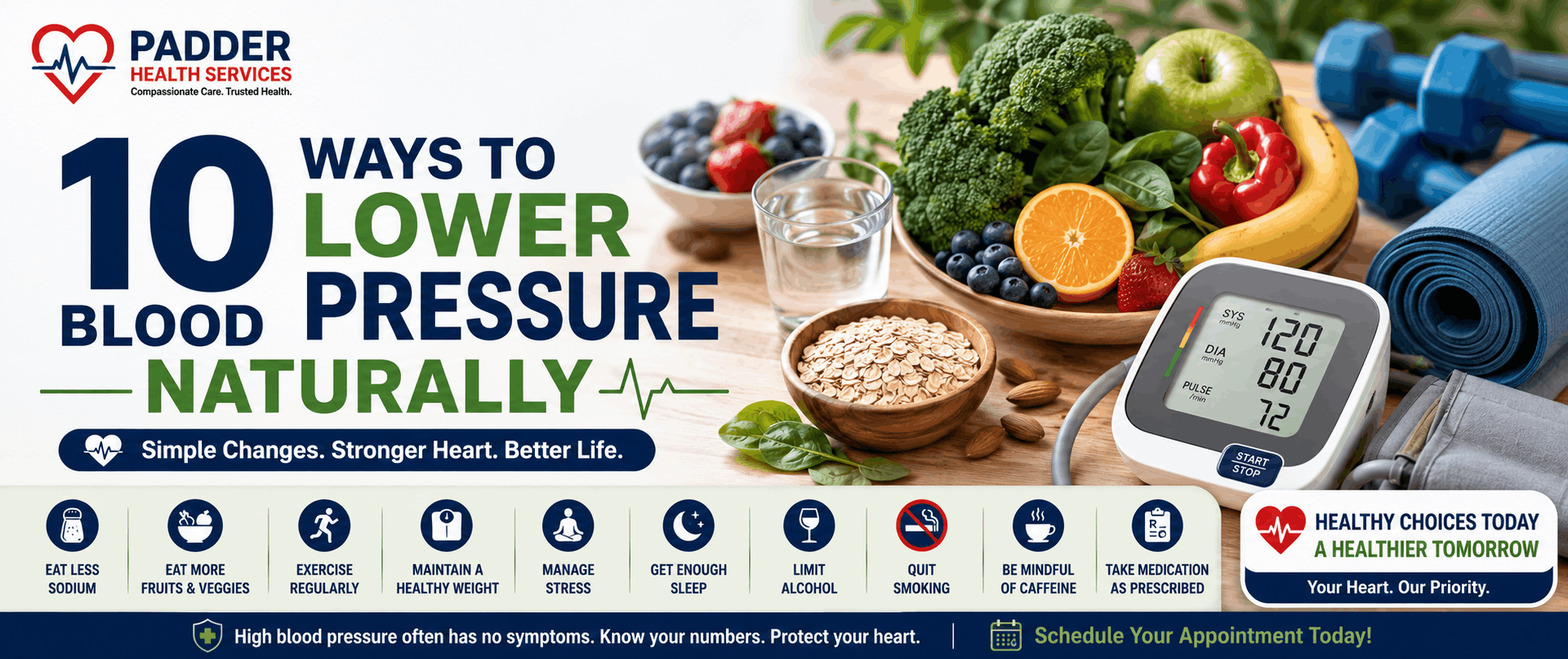
10 Ways to Lower Blood Pressure Naturally
High blood pressure, also known as hypertension, is one of the most common cardiovascular risk factors. It often develops without noticeable symptoms, which is why regular blood pressure checks are so important.
The good news is that healthy lifestyle changes can play an important role in managing blood pressure. Eating a balanced diet, staying physically active, maintaining a healthy weight, managing stress, getting enough sleep, and avoiding tobacco can all contribute to better cardiovascular health.
However, lifestyle changes are only one part of blood pressure management. Some people require prescription medication in addition to healthy habits. Never stop or change blood pressure medication without speaking with your healthcare provider.
🚨 Very High Blood Pressure?
If your blood pressure is extremely high and you have symptoms such as chest pain, severe shortness of breath, weakness or numbness, confusion, difficulty speaking, vision changes, or a severe headache, seek emergency medical care immediately.
Why Is Blood Pressure Control Important?
When blood pressure remains high over time, it can place extra stress on the heart and damage blood vessels. Uncontrolled hypertension can increase the risk of heart disease, heart attack, stroke, kidney disease, and other serious health problems.
What Is High Blood Pressure?
Blood pressure is the force of blood pushing against the walls of your arteries as your heart pumps blood throughout your body. A blood pressure reading contains two numbers: systolic pressure and diastolic pressure.
The systolic number represents pressure when the heart contracts, while the diastolic number represents pressure when the heart relaxes between beats.
Your healthcare provider can interpret your blood pressure readings in the context of your overall health and determine whether lifestyle changes, monitoring, or treatment are appropriate.
1Reduce Your Sodium Intake
Eating too much sodium can contribute to higher blood pressure in many people. Sodium is commonly found in processed foods, packaged meals, canned foods, restaurant meals, sauces, and salty snacks.
Reducing your intake of high-sodium foods can be an important step toward better blood pressure control. Instead of relying heavily on salt, try using herbs, spices, garlic, lemon, or other seasonings to add flavor to meals.
Simple Ways to Reduce Sodium
- Read nutrition labels before buying packaged foods.
- Choose fresh foods more often.
- Limit highly processed foods.
- Choose unsalted nuts and seeds.
- Rinse canned beans and vegetables when appropriate.
- Use herbs and spices instead of adding extra salt.
- Be mindful of restaurant and fast-food meals.
2Eat More Fruits and Vegetables
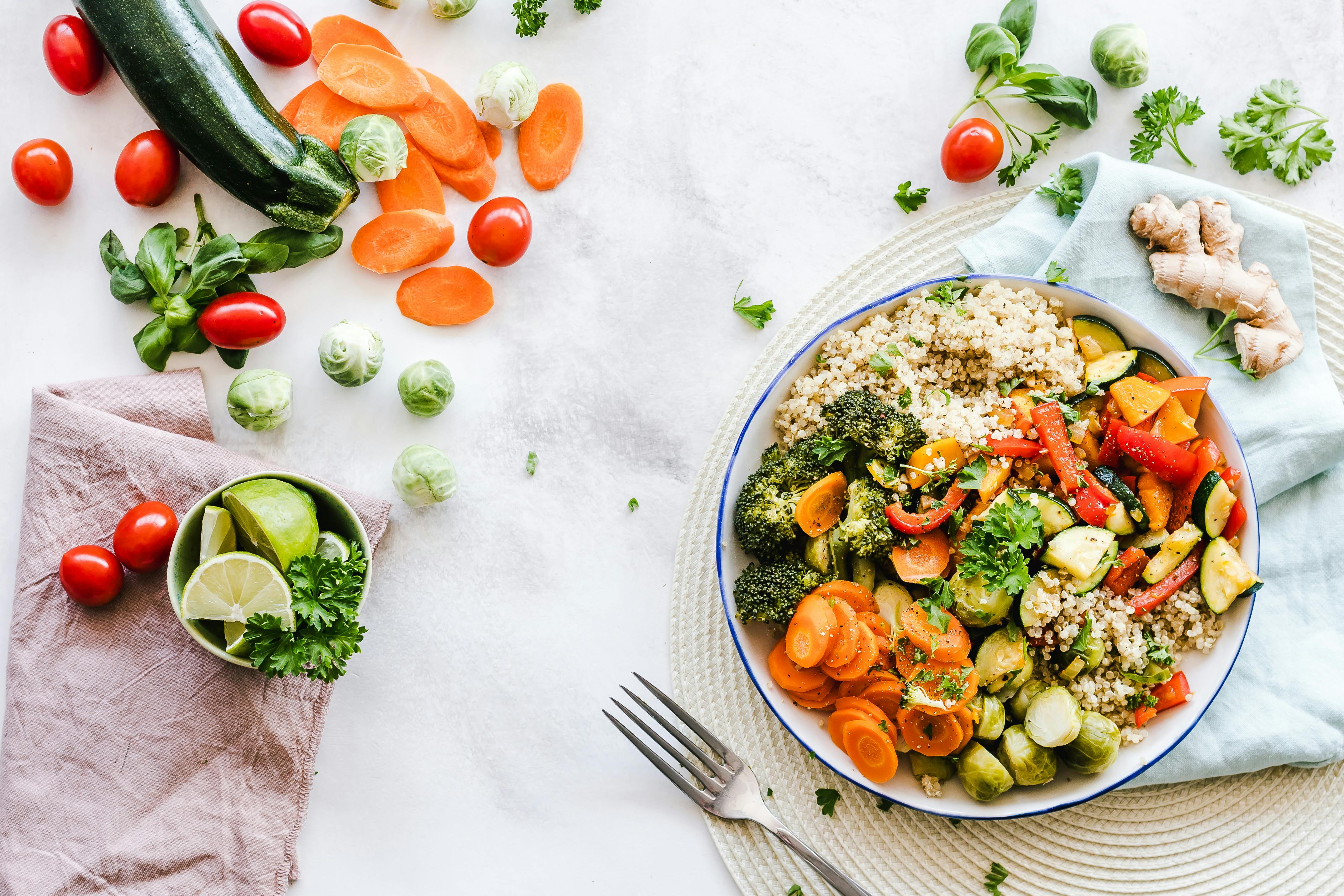
Fruits and vegetables are rich in nutrients, fiber, and naturally occurring compounds that can support cardiovascular health. Increasing the variety of fruits and vegetables in your diet is a simple way to improve overall nutrition.
Foods such as leafy greens, tomatoes, berries, oranges, bananas, carrots, broccoli, and peppers can all be included as part of a balanced eating pattern.
Leafy Greens
Spinach, kale, collard greens, and other leafy vegetables provide important nutrients and fiber.
Colorful Fruits
Berries, oranges, apples, and other fruits can add fiber and nutrients to your daily diet.
Colorful Vegetables
Include vegetables of different colors to increase the variety of nutrients in your meals.
3Exercise Regularly
Regular physical activity can help support healthy blood pressure, strengthen the heart, improve circulation, and help maintain a healthy body weight.
For many adults, a combination of moderate aerobic activity and muscle-strengthening exercises can be beneficial. Walking, cycling, swimming, dancing, and other activities that you enjoy can make it easier to stay active consistently.
Start Small and Build Gradually
If you have been inactive, you do not need to start with an intense workout. Begin with manageable activities such as a daily walk and gradually increase the duration and intensity as appropriate for your fitness level.
Talk to Your Doctor Before Starting
If you have heart disease, very high blood pressure, significant symptoms, or other medical conditions, ask your healthcare provider what types and amounts of exercise are appropriate for you.
4Maintain a Healthy Weight
Maintaining a healthy weight can support better blood pressure control and overall cardiovascular health. Excess body weight can place additional strain on the heart and is often associated with other risk factors such as high blood pressure, diabetes, and abnormal cholesterol levels.
If you are overweight, even modest weight loss may provide health benefits. Rather than following extreme diets, focus on sustainable changes that you can maintain over time.
Healthy Weight Management Tips
- Choose nutritious, minimally processed foods more often.
- Control portion sizes.
- Eat plenty of vegetables and fiber-rich foods.
- Stay physically active.
- Reduce sugary drinks and highly processed snacks.
- Set realistic and sustainable goals.

5Manage Stress
Stress is a normal part of life, but ongoing stress can make it more difficult to maintain healthy habits and may contribute to temporary increases in blood pressure.
Finding healthy ways to manage stress can support your overall cardiovascular wellness. The best approach is one that fits naturally into your daily routine.
Deep Breathing
Slow, controlled breathing for a few minutes can provide a simple way to relax during stressful moments.
Physical Activity
Walking, stretching, cycling, swimming, or other enjoyable activities can help support physical and emotional well-being.
Mindfulness
Meditation, mindfulness exercises, or quiet time can help you develop healthier responses to everyday stress.
Stay Connected
Spending time with supportive family members and friends can contribute to emotional well-being and healthy stress management.

6Get Enough Quality Sleep
Good-quality sleep is an important part of cardiovascular health. Poor sleep, insufficient sleep, and certain sleep disorders can be associated with higher blood pressure and other cardiovascular risk factors.
Most adults should aim for a consistent sleep schedule and enough sleep to feel rested. Individual sleep needs can vary.
Improve Your Sleep Routine
- Go to bed and wake up at consistent times.
- Keep your bedroom comfortable, quiet, and dark.
- Limit electronic devices before bedtime.
- Avoid large meals close to bedtime.
- Limit caffeine later in the day if it interferes with sleep.
- Make relaxation part of your nighttime routine.
If you regularly snore loudly, wake up gasping or choking, or feel excessively tired during the day despite getting enough time in bed, talk with your healthcare provider. Sleep apnea can be associated with high blood pressure and may require evaluation.
7Limit Alcohol
Drinking too much alcohol can contribute to elevated blood pressure and may increase cardiovascular risk. If you drink alcohol, moderation is important.
For some people, avoiding alcohol altogether may be the healthiest choice, particularly when alcohol interacts with medications or other health conditions.
Alcohol and Blood Pressure
If you have high blood pressure, ask your healthcare provider whether alcohol may be affecting your blood pressure or interacting with your medications.
8Stop Smoking and Avoid Tobacco
Smoking damages blood vessels and significantly increases the risk of cardiovascular disease. Tobacco use can also contribute to other serious health conditions.
Quitting smoking is one of the most important steps you can take to protect your heart and blood vessels. Benefits begin after quitting and continue to accumulate over time.
Ready to Quit?
If you smoke and want to quit, talk with your healthcare provider. Counseling, behavioral strategies, and approved smoking-cessation treatments may improve your chances of successfully quitting.
How the DASH-Style Diet Can Support Healthy Blood Pressure
The Dietary Approaches to Stop Hypertension, commonly known as the DASH eating plan, is a dietary pattern designed to support healthy blood pressure.
It emphasizes vegetables, fruits, whole grains, beans, nuts, seeds, low-fat or fat-free dairy products, fish, poultry, and other nutrient-rich foods while limiting sodium, sweets, sugary beverages, and foods high in saturated fat.
Eat More
- Vegetables
- Fruits
- Whole grains
- Beans and lentils
- Nuts and seeds
- Fish and lean proteins
Limit
- High-sodium foods
- Sugary drinks
- Highly processed foods
- Foods high in saturated fat
- Excess sweets
Monitor Your Blood Pressure at Home
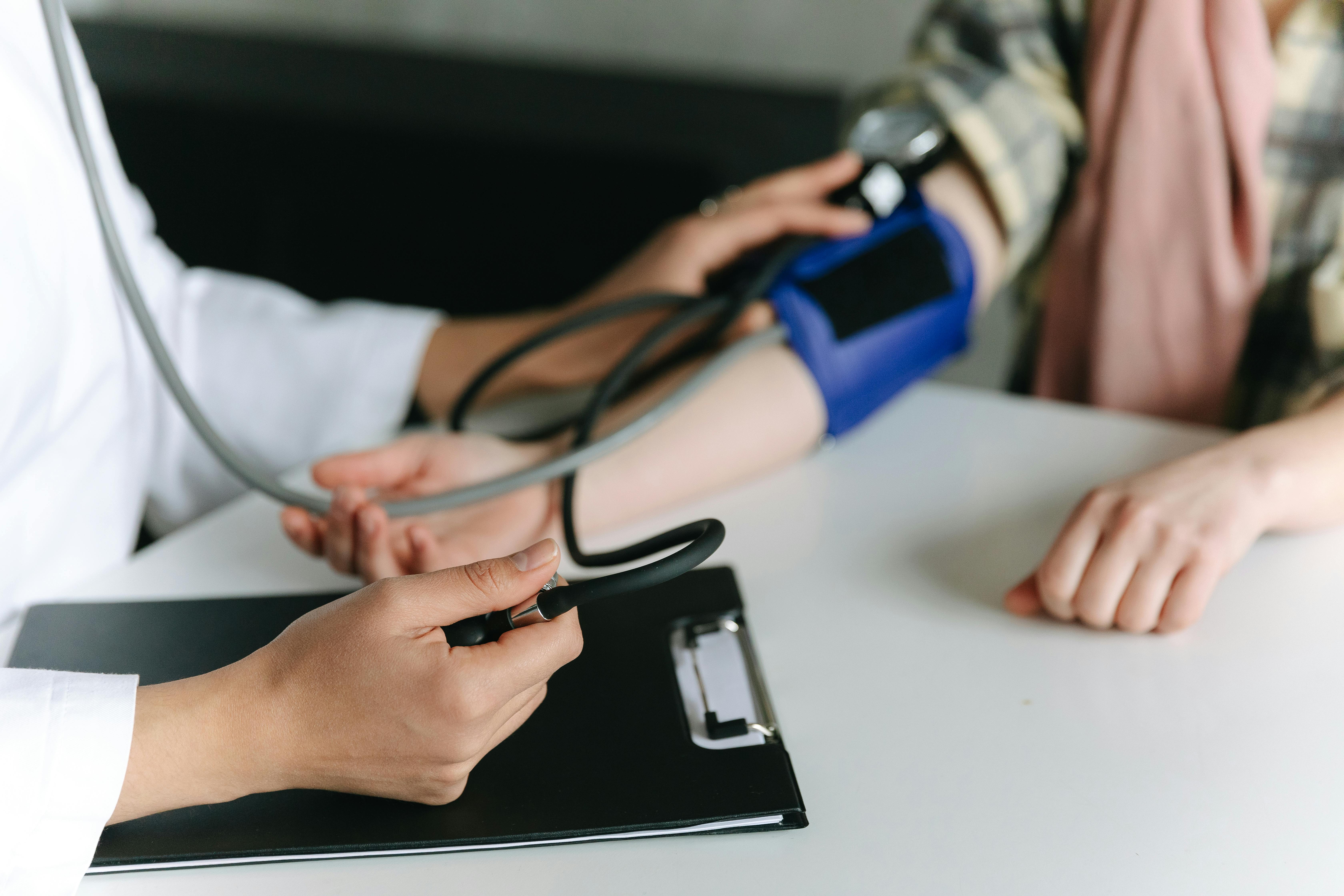
If you have high blood pressure or your healthcare provider recommends monitoring, checking your blood pressure at home can provide useful information about your blood pressure over time.
Use a validated blood pressure monitor and follow the manufacturer’s instructions. Before taking a reading, sit quietly for several minutes with your back supported and your feet resting on the floor.
For a More Reliable Reading
- Avoid exercise, caffeine, and smoking shortly before measuring when possible.
- Sit quietly for several minutes before taking the measurement.
- Keep your arm supported at heart level.
- Take measurements consistently at approximately the same times when monitoring regularly.
- Record your readings and share them with your healthcare provider.
Keep a Blood Pressure Journal
Recording your readings can help your healthcare provider understand how your blood pressure changes throughout the day and over time.
| Date | Time | Blood Pressure | Heart Rate | Notes |
|---|---|---|---|---|
| Example | Morning | ___ / ___ | ___ | Before medication |
| Example | Evening | ___ / ___ | ___ | Resting |
Don’t Change Medication on Your Own
Lifestyle changes can be an important part of blood pressure management, but some people need prescription medication. Never stop, skip, or change your blood pressure medication because of a home reading without discussing it with your healthcare provider.
9Be Mindful of Caffeine
Caffeine can cause a temporary increase in blood pressure in some people. Coffee, tea, energy drinks, and certain supplements can contain significant amounts of caffeine.
Not everyone responds to caffeine in the same way. If you have high blood pressure or notice that your blood pressure rises after consuming caffeinated beverages, discuss your intake with your healthcare provider.
A Simple Way to Understand Your Response
If your healthcare provider recommends monitoring the effect of caffeine on your blood pressure, you may compare readings before and after caffeine under appropriate conditions. Avoid making major dietary changes based on a single reading.
10Take Prescribed Blood Pressure Medication Correctly
Lifestyle changes can make an important difference, but some people need medication to control high blood pressure. Several different types of blood pressure medicines are available, and your healthcare provider will choose a treatment based on your individual health needs.
If you have been prescribed medication, take it exactly as directed. Do not stop taking it simply because you feel well. High blood pressure often causes no noticeable symptoms, so feeling healthy does not necessarily mean your blood pressure is controlled.
Never Stop Blood Pressure Medication Without Medical Advice
If you are experiencing side effects, have concerns about your medication, or think your treatment needs to change, speak with your healthcare provider. They can determine whether your dose or medication should be adjusted.
10 Lifestyle Changes at a Glance
1. Reduce Sodium
Limit high-sodium processed and packaged foods.
2. Eat More Produce
Include a variety of fruits and vegetables in your meals.
3. Exercise
Stay physically active according to your healthcare provider’s recommendations.
4. Maintain a Healthy Weight
Work toward a healthy weight through sustainable lifestyle changes.
5. Manage Stress
Use healthy strategies to manage ongoing stress.
6. Sleep Well
Maintain a consistent sleep routine and address possible sleep disorders.
7. Limit Alcohol
Avoid excessive alcohol consumption and discuss alcohol use with your healthcare provider.
8. Stop Smoking
Avoid tobacco and seek professional support if you need help quitting.
9. Monitor Caffeine
Be aware of how caffeinated beverages may affect your blood pressure.
10. Follow Treatment
Take prescribed medications exactly as directed by your healthcare provider.
Foods That May Support Healthy Blood Pressure
A balanced eating pattern can support healthy blood pressure and overall cardiovascular wellness. Instead of focusing on one particular “blood pressure-lowering” food, aim for a varied diet that provides vegetables, fruits, whole grains, fiber, lean protein, and healthy fats.
Heart-Healthy Choices
- Leafy green vegetables
- Berries and other fresh fruits
- Bananas and other potassium-containing foods
- Oats and other whole grains
- Beans and lentils
- Unsalted nuts and seeds
- Fish such as salmon
- Low-fat or fat-free dairy products when appropriate
- Avocados
- Olive oil
If you have kidney disease or another condition that affects potassium levels, do not significantly increase potassium intake without first discussing it with your healthcare provider.
When Should You See a Doctor for High Blood Pressure?
Because high blood pressure often has no symptoms, routine screening is important. Your healthcare provider can review your blood pressure readings and determine whether additional monitoring, lifestyle changes, medication, or further evaluation is appropriate.
You should discuss your blood pressure with a healthcare professional if your readings are consistently higher than recommended or if you have other cardiovascular risk factors such as diabetes, high cholesterol, obesity, smoking, or a family history of heart disease.
Regular Monitoring Matters
One elevated blood pressure reading does not necessarily mean you have chronic hypertension. Your healthcare provider may recommend repeated measurements under appropriate conditions to determine your blood pressure pattern.
When Is High Blood Pressure an Emergency?
Very high blood pressure accompanied by certain symptoms can indicate a medical emergency. Do not wait for a routine appointment if you have severely elevated blood pressure together with concerning symptoms.
🚨 Seek Emergency Medical Care Immediately If You Have:
- Chest pain or pressure
- Severe shortness of breath
- Sudden weakness or numbness
- Difficulty speaking
- Sudden confusion
- Sudden changes in vision
- Severe or unusual headache
- Loss of consciousness
If you believe you are experiencing a medical emergency, call 911 or your local emergency number immediately.
Frequently Asked Questions
Can I lower my blood pressure naturally without medication?
Lifestyle changes such as reducing sodium, exercising regularly, maintaining a healthy weight, eating a balanced diet, managing stress, and avoiding tobacco can help improve blood pressure. However, some people require medication as well. Never stop prescribed medication without consulting your healthcare provider.
How quickly can lifestyle changes lower blood pressure?
The response varies from person to person. Some lifestyle changes may begin affecting blood pressure relatively quickly, while other improvements may take longer. Consistency is important, and your healthcare provider can help monitor your progress.
Does drinking more water lower blood pressure?
Staying adequately hydrated is important for overall health, but drinking extra water is not a treatment for hypertension. Your fluid needs depend on your health, activity level, climate, and medical conditions.
Can walking lower blood pressure?
Regular physical activity, including walking, can support cardiovascular fitness and healthy blood pressure. If you have a medical condition or have been inactive, ask your healthcare provider about an appropriate exercise plan.
What foods should I avoid with high blood pressure?
It is generally helpful to limit foods that are high in sodium, highly processed foods, excessive added sugars, and foods high in saturated fat. Restaurant meals, processed meats, salty snacks, and packaged foods can be significant sources of sodium.
Does stress cause high blood pressure?
Stress can temporarily raise blood pressure, and chronic stress may make healthy lifestyle habits more difficult to maintain. Healthy stress-management strategies can be an important part of overall cardiovascular care.
Can high blood pressure cause heart disease?
Yes. Long-term uncontrolled high blood pressure can damage arteries and place additional strain on the heart, increasing the risk of heart disease, heart attack, heart failure, stroke, and other complications.
How Padder Health Services Can Help
At Padder Health Services, our Primary Care physicians and Cardiologists provide comprehensive evaluation and management of high blood pressure and other cardiovascular risk factors.
Our team can help you understand your blood pressure readings, identify contributing risk factors, develop healthy lifestyle strategies, and determine whether medication or additional cardiovascular evaluation is appropriate.
Our Cardiovascular & Primary Care Services Include
- Blood pressure evaluation
- Hypertension management
- Cardiovascular risk assessment
- Cholesterol management
- Diabetes management
- Preventive cardiology
- Heart disease evaluation
- Weight management guidance
- Preventive health screenings
- Long-term chronic disease management
Take Control of Your Blood Pressure
Healthy lifestyle changes can be an important part of protecting your heart and blood vessels. If you have high blood pressure or are concerned about your cardiovascular health, talk with an experienced healthcare professional about your individual needs.
Final Thoughts
Learning how to lower blood pressure naturally starts with consistent, sustainable lifestyle changes. Reducing sodium, eating more fruits and vegetables, exercising regularly, maintaining a healthy weight, managing stress, getting enough sleep, avoiding tobacco, and following your healthcare provider’s treatment recommendations can all contribute to better cardiovascular health.
However, there is no single approach that works for everyone. Some people can improve their blood pressure significantly through lifestyle changes, while others need prescription medication in addition to healthy habits.
The most important step is to know your blood pressure, monitor it when recommended, and work with your healthcare provider to develop an individualized plan.
At Padder Health Services, our Primary Care and Cardiology teams are committed to helping patients manage hypertension and reduce their risk of cardiovascular complications through personalized, comprehensive care.
Related Heart Health Resources
- High Blood Pressure: The Silent Killer Every Adult Should Monitor
- When Should You See a Cardiologist? 10 Warning Signs You Shouldn’t Ignore
- 10 Foods That Naturally Improve Heart Health
- How to Lower Cholesterol Naturally: Doctor-Recommended Tips
- Heart Attack vs Heartburn: How to Tell the Difference
- Cardiology Services
- Primary Care Services
- Meet Our Providers
- Request an Appointment
Your Blood Pressure Is Worth Monitoring
High blood pressure may not cause noticeable symptoms, but it can affect your heart and blood vessels over time. Regular monitoring, healthy lifestyle choices, and appropriate medical care can help protect your cardiovascular health.