-
 August 14, 2026
Your heart works continuously to keep your body supplied with oxygen and nutrients. While many people associate heart disease with sudden chest pain or a heart attack, cardiovascular problems can develop gradually and may sometimes cause subtle symptoms that are easy to overlook.
Knowing when to see a cardiologist can help you identify potential heart problems early, understand your cardiovascular risk, and receive appropriate treatment before a condition becomes more serious.
A cardiologist specializes in diagnosing and treating conditions involving the heart and blood vessels. Your primary care physician may recommend a cardiology consultation if you have symptoms, abnormal test results, or risk factors that increase your chances of developing cardiovascular disease.
Why Early Heart Care Matters
Heart disease is often manageable when risk factors are identified early. Regular medical evaluations can help detect high blood pressure, high cholesterol, abnormal heart rhythms, and other cardiovascular problems before they lead to serious complications.
What Does a Cardiologist Do?
A cardiologist is a medical specialist who focuses on the prevention, diagnosis, and treatment of diseases affecting the heart and circulatory system.
Depending on your symptoms and medical history, a cardiologist may evaluate conditions such as coronary artery disease, heart failure, abnormal heart rhythms, high blood pressure, heart valve problems, cardiomyopathy, and other cardiovascular conditions.

Heart Disease Prevention
Cardiologists can assess cardiovascular risk factors and recommend strategies to help reduce your risk of future heart problems.
Heart Testing
Depending on your symptoms, your physician may recommend tests such as an ECG, echocardiogram, stress testing, or other cardiovascular evaluations.
Chronic Heart Conditions
Cardiologists provide ongoing care for conditions such as heart failure, coronary artery disease, and abnormal heart rhythms.
Risk Factor Management
Blood pressure, cholesterol, diabetes, smoking, and other cardiovascular risk factors can be evaluated and managed as part of comprehensive heart care.
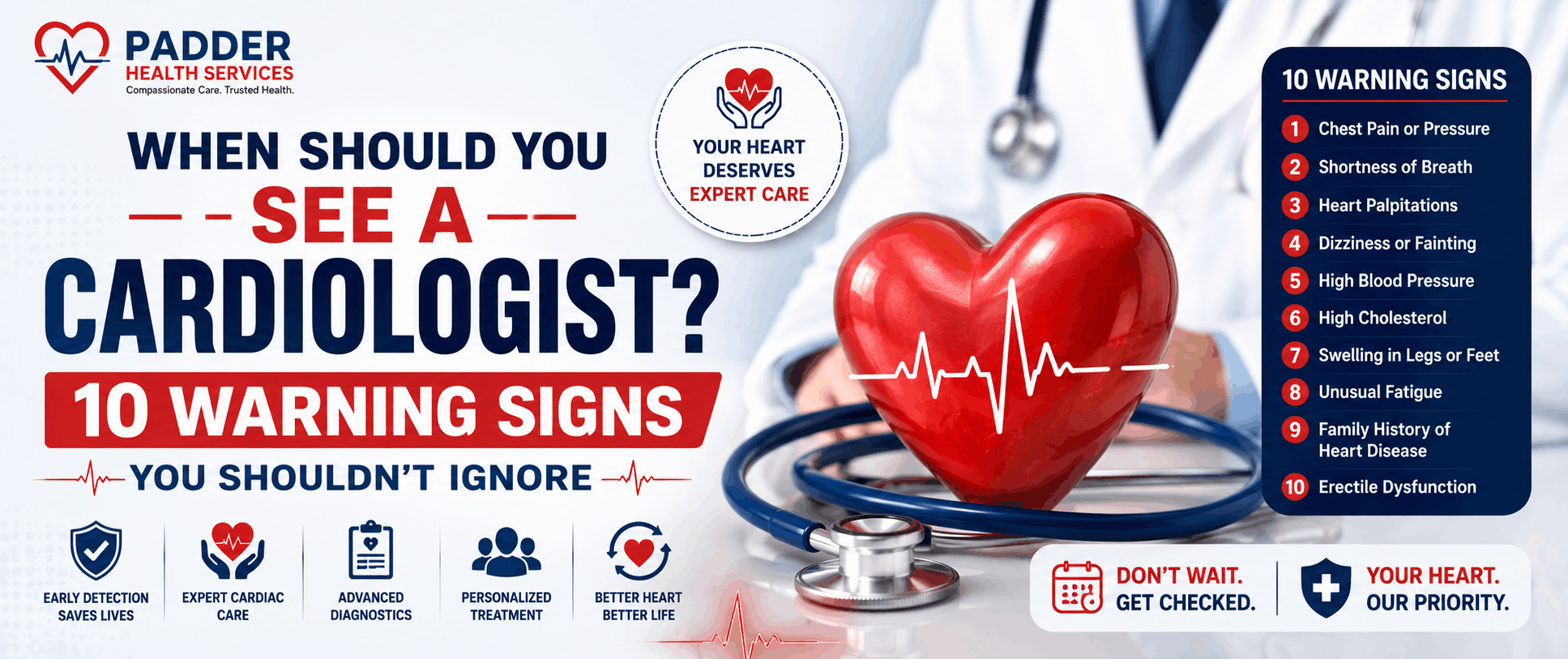
10 Warning Signs You Shouldn’t Ignore
Not every symptom means you have heart disease. However, certain symptoms deserve medical attention, particularly when they are new, persistent, worsening, or occur together with cardiovascular risk factors.
1Chest Pain or Pressure
Chest discomfort is one of the most important symptoms associated with cardiovascular disease. Heart-related chest discomfort may feel like pressure, squeezing, fullness, heaviness, or tightness in the chest.
The discomfort may occur during physical activity or emotional stress and improve with rest. It can also spread to the arm, shoulder, back, neck, jaw, or upper abdomen.
Don’t Ignore New Chest Discomfort
New, severe, persistent, or unexplained chest pain or pressure can be a medical emergency. If you suspect you may be having a heart attack, seek emergency medical care immediately rather than waiting for a routine cardiology appointment.
2Shortness of Breath
Feeling unusually short of breath during everyday activities, exercise, or even while resting can sometimes indicate a cardiovascular problem.
Shortness of breath may be associated with several conditions, including heart failure, coronary artery disease, abnormal heart rhythms, and lung conditions. A healthcare professional can help determine the underlying cause.

Pay Attention to Changes
If activities that were previously comfortable suddenly leave you unusually breathless, talk with your healthcare provider. Changes in exercise tolerance can provide important clues about your cardiovascular health.
3Heart Palpitations or Irregular Heartbeat
Heart palpitations are sensations that your heart is beating unusually fast, forcefully, fluttering, or irregularly. Occasional palpitations may have harmless causes, but frequent or persistent episodes should be evaluated.
Some abnormal heart rhythms, including atrial fibrillation, can increase the risk of complications such as stroke. A cardiologist can evaluate your symptoms and determine whether further testing is appropriate.
4Dizziness or Fainting
Unexplained dizziness, lightheadedness, or fainting can sometimes be related to an abnormal heart rhythm, blood pressure problem, or another cardiovascular condition.
Fainting—especially during exercise—or repeated episodes of unexplained dizziness should not be ignored. Your healthcare provider may recommend an evaluation to determine the underlying cause.
Keep a Record of Your Symptoms
If you experience palpitations, dizziness, or other unusual symptoms, note when they happen, how long they last, what you were doing at the time, and whether they occur with chest discomfort or shortness of breath. This information can help your healthcare provider during an evaluation.

5High Blood Pressure
High blood pressure, also known as hypertension, is often called a “silent condition” because it usually does not cause noticeable symptoms. However, consistently elevated blood pressure can place additional strain on the heart and damage blood vessels over time.
Uncontrolled hypertension increases the risk of heart attack, stroke, heart failure, kidney disease, and other serious health problems. Regular blood pressure checks are therefore an important part of preventive cardiovascular care.
Don’t Wait for Symptoms
You should not wait until you feel unwell to check your blood pressure. If your readings are repeatedly elevated, discuss them with your primary care provider or cardiologist.

6High Cholesterol
High cholesterol is another major cardiovascular risk factor that often causes no symptoms. Excess LDL cholesterol can contribute to plaque buildup inside the arteries, potentially restricting blood flow to the heart and other organs.
Your healthcare provider can check your cholesterol through a blood test and assess your overall cardiovascular risk. Depending on your results and medical history, lifestyle changes, medications, or a cardiology evaluation may be recommended.
Know Your Numbers
Regular cholesterol screening can help identify cardiovascular risk before symptoms develop. Ask your healthcare provider how frequently your cholesterol should be checked based on your age and health history.
7Swelling in the Legs, Ankles, or Feet
Unexplained swelling in the lower legs, ankles, or feet may sometimes be associated with fluid retention. In certain situations, swelling can occur with heart failure or other cardiovascular conditions.
Swelling can also have many other causes, including certain medications, kidney problems, vein conditions, or prolonged standing. Because the cause is not always obvious, persistent or unexplained swelling should be evaluated by a healthcare professional.

Watch for Other Symptoms
If swelling occurs together with shortness of breath, rapid weight gain, difficulty lying flat, or unusual fatigue, contact your healthcare provider promptly for evaluation.
8Unusual or Persistent Fatigue
Everyone experiences tiredness from time to time. However, persistent or unexplained fatigue—particularly when it represents a noticeable change from your normal energy level—can sometimes be associated with cardiovascular problems.
Heart conditions may make it more difficult for the body to receive adequate blood flow, causing some people to experience reduced exercise tolerance or unusual tiredness.
Fatigue can also result from anemia, thyroid problems, sleep disorders, infections, stress, medications, and many other conditions. A medical evaluation can help identify the cause.
Pay Attention to a Change in Your Normal Routine
If ordinary activities such as walking, climbing stairs, or doing household tasks suddenly make you unusually tired, discuss the change with your healthcare provider.
9Family History of Heart Disease
Your family history can provide important information about your cardiovascular risk. Having a close family member with premature heart disease may increase your own risk, particularly when combined with other factors such as high blood pressure, high cholesterol, diabetes, smoking, or obesity.
You cannot change your genetics, but knowing your family history allows you and your healthcare provider to take preventive steps and monitor important risk factors more closely.

Know Your Family History
Tell your healthcare provider if parents, siblings, or other close relatives have experienced heart attacks, strokes, heart failure, or other cardiovascular conditions—especially at a younger age.
10Erectile Dysfunction
Erectile dysfunction (ED) can sometimes be associated with cardiovascular health. The blood vessels involved in erectile function are relatively small, and problems with blood vessel health may become apparent before other cardiovascular symptoms develop.
ED can have many possible causes, including diabetes, hormonal changes, medications, stress, anxiety, and vascular conditions. If erectile dysfunction is persistent, discussing it with your healthcare provider can be an important part of comprehensive health care.
Don’t Ignore Persistent ED
Persistent erectile dysfunction should not simply be considered a normal part of aging. Talk with your healthcare provider about possible causes and whether cardiovascular risk assessment is appropriate.
Other Cardiovascular Risk Factors You Should Know
You don’t necessarily need to have symptoms to benefit from a cardiovascular evaluation. Several risk factors can increase your likelihood of developing heart disease even when you feel completely healthy.
Diabetes
High blood sugar can damage blood vessels over time and increase the risk of heart disease and stroke.
Smoking
Tobacco use damages blood vessels and substantially increases cardiovascular risk.
Obesity
Excess body weight can contribute to high blood pressure, diabetes, high cholesterol, and other cardiovascular risk factors.
Physical Inactivity
Regular physical activity supports cardiovascular fitness and can help manage blood pressure, cholesterol, blood sugar, and body weight.
Who May Benefit From Seeing a Cardiologist?
A cardiology consultation may be appropriate for people with cardiovascular symptoms, abnormal test results, established heart disease, or multiple risk factors. Your primary care provider can help determine whether a referral is appropriate for you.
- People with persistent or unexplained chest discomfort
- People experiencing unexplained shortness of breath
- People with recurrent heart palpitations
- People with unexplained fainting or dizziness
- People with difficult-to-control high blood pressure
- People with high cholesterol and elevated cardiovascular risk
- People with diabetes and cardiovascular risk factors
- People with a strong family history of heart disease
- People with abnormal ECG or other cardiac test results
- People with known heart disease who require ongoing care
Preventive Cardiology: Don’t Wait Until You Have Symptoms
One of the most important roles of modern cardiology is prevention. You don’t have to wait until you develop serious symptoms before taking care of your heart.
Preventive cardiology focuses on identifying risk factors early and creating a plan to reduce the likelihood of future cardiovascular problems. This may include managing blood pressure and cholesterol, improving nutrition, increasing physical activity, controlling diabetes, maintaining a healthy weight, and avoiding tobacco.
Prevention Starts with Knowing Your Risk
Your age, family history, blood pressure, cholesterol, blood sugar, lifestyle, and existing medical conditions can all contribute to your overall cardiovascular risk. Regular checkups give your healthcare team an opportunity to identify and address these factors early.
What Tests Might a Cardiologist Recommend?
If your symptoms, medical history, or risk factors suggest that your heart needs further evaluation, a cardiologist may recommend one or more diagnostic tests. The specific tests depend on your symptoms and individual health needs.
Electrocardiogram (ECG/EKG)
An ECG records the electrical activity of your heart and can help identify certain abnormal heart rhythms and other cardiac abnormalities.
Echocardiogram
An echocardiogram uses ultrasound to create images of the heart, allowing physicians to evaluate heart structure, valves, pumping function, and blood flow.
Stress Testing
A stress test evaluates how your heart performs during physical activity or controlled stress and may help identify certain problems affecting blood flow to the heart.
Holter or Heart Monitoring
Portable heart monitors can record your heart rhythm over an extended period and may be useful when symptoms such as palpitations occur intermittently.

When Should You Seek Emergency Medical Care?
Some symptoms should not wait for a routine appointment with a cardiologist. If you experience symptoms that could indicate a heart attack, stroke, or another serious medical emergency, seek emergency medical attention immediately.
Call Emergency Services Immediately If You Have:
- Severe or persistent chest pain or pressure
- Chest discomfort accompanied by shortness of breath
- Chest pain spreading to the arm, shoulder, back, neck, or jaw
- Severe difficulty breathing
- Fainting or loss of consciousness
- Sudden severe weakness or confusion
- Sudden difficulty speaking or understanding speech
- Sudden numbness or weakness, particularly on one side of the body
Do not drive yourself if you believe you are experiencing a heart attack or another serious medical emergency. Seek immediate emergency medical care.
Cardiologist vs. Primary Care Doctor: Who Should You See?
Your Primary Care physician is often the first person to evaluate symptoms and cardiovascular risk factors. They can perform routine screenings, manage conditions such as high blood pressure and diabetes, and determine whether you would benefit from seeing a cardiologist.
A cardiologist provides specialized evaluation and treatment for conditions affecting the heart and blood vessels. In many cases, Primary Care physicians and Cardiologists work together to provide coordinated care.
Primary Care
- Routine physical examinations
- Preventive screenings
- Blood pressure management
- Diabetes management
- Cholesterol screening
- Initial evaluation of symptoms
Cardiology
- Specialized heart evaluation
- Heart rhythm disorders
- Coronary artery disease
- Heart failure
- Heart valve conditions
- Advanced cardiovascular testing
Frequently Asked Questions
How do I know if I need to see a cardiologist?
You may benefit from a cardiology evaluation if you have unexplained chest discomfort, shortness of breath, recurring palpitations, fainting, difficult-to-control blood pressure, abnormal cardiac test results, or significant cardiovascular risk factors. Your Primary Care physician can help determine whether a referral is appropriate.
Can a healthy person see a cardiologist?
Yes. Some people with a strong family history of cardiovascular disease or multiple risk factors may benefit from preventive cardiovascular evaluation even when they do not have symptoms.
What age should you start seeing a cardiologist?
There is no single age at which everyone should begin seeing a cardiologist. The need for specialized care depends on your symptoms, risk factors, family history, medical conditions, and test results.
Is high blood pressure a reason to see a cardiologist?
High blood pressure is an important cardiovascular risk factor. Many people can have their blood pressure managed by a Primary Care physician, while those with difficult-to-control hypertension or additional cardiovascular concerns may benefit from a cardiology evaluation.
Can high cholesterol require a cardiologist?
High cholesterol is commonly managed in Primary Care. However, people with very high cholesterol, a strong family history of cardiovascular disease, established heart disease, or other significant risk factors may benefit from specialized cardiovascular assessment.
Are heart palpitations always dangerous?
No. Palpitations can have many causes, including stress, caffeine, medications, and changes in heart rhythm. However, recurrent or unexplained palpitations—especially when accompanied by chest pain, shortness of breath, dizziness, or fainting—should be medically evaluated.
How Padder Health Services Can Help
At Padder Health Services, our experienced healthcare team provides comprehensive Primary Care and Cardiology services designed to help patients prevent, identify, and manage cardiovascular conditions.
Our providers evaluate cardiovascular risk factors, investigate concerning symptoms, and develop individualized care plans based on each patient’s medical history and health goals.
Our Cardiovascular Care Includes:
- Cardiovascular risk assessment
- Preventive cardiology
- Blood pressure management
- Cholesterol management
- Heart disease evaluation
- Heart rhythm evaluation
- Heart failure management
- Cardiac diagnostic testing
- Diabetes and cardiovascular risk management
- Long-term cardiovascular care
Don’t Ignore Your Heart Health
If you have symptoms or cardiovascular risk factors that concern you, talking with a qualified healthcare professional is an important first step. Early evaluation can help identify problems and guide appropriate treatment.
Final Thoughts
Knowing when to see a cardiologist can help you take a proactive approach to your cardiovascular health. Symptoms such as chest discomfort, shortness of breath, palpitations, dizziness, unusual fatigue, or swelling should not automatically be assumed to be harmless—particularly when they are new, persistent, or accompanied by other symptoms.
You also do not need to wait until symptoms develop. High blood pressure, high cholesterol, diabetes, smoking, obesity, physical inactivity, and a family history of heart disease can all increase cardiovascular risk and may warrant closer monitoring.
The best approach is to work with your healthcare provider to understand your individual risk and determine whether you need routine preventive care, additional testing, or specialized cardiology evaluation.
At Padder Health Services, our Primary Care and Cardiology teams are committed to providing comprehensive, personalized care that helps patients protect their heart health and maintain a healthier future.
Related Heart Health Resources
- 10 Early Warning Signs of Heart Disease You Should Never Ignore
- High Blood Pressure: The Silent Killer Every Adult Should Monitor
- How to Lower Cholesterol Naturally: Doctor-Recommended Tips
- 10 Foods That Naturally Improve Heart Health
- Cardiology Services
- Primary Care Services
- Meet Our Providers
- Request an Appointment
Protect Your Heart Through Prevention
Regular checkups, healthy lifestyle choices, and timely medical evaluation can help reduce cardiovascular risk. Don’t ignore changes in how you feel—talk with your healthcare provider about your heart health.