-
 September 1, 2026
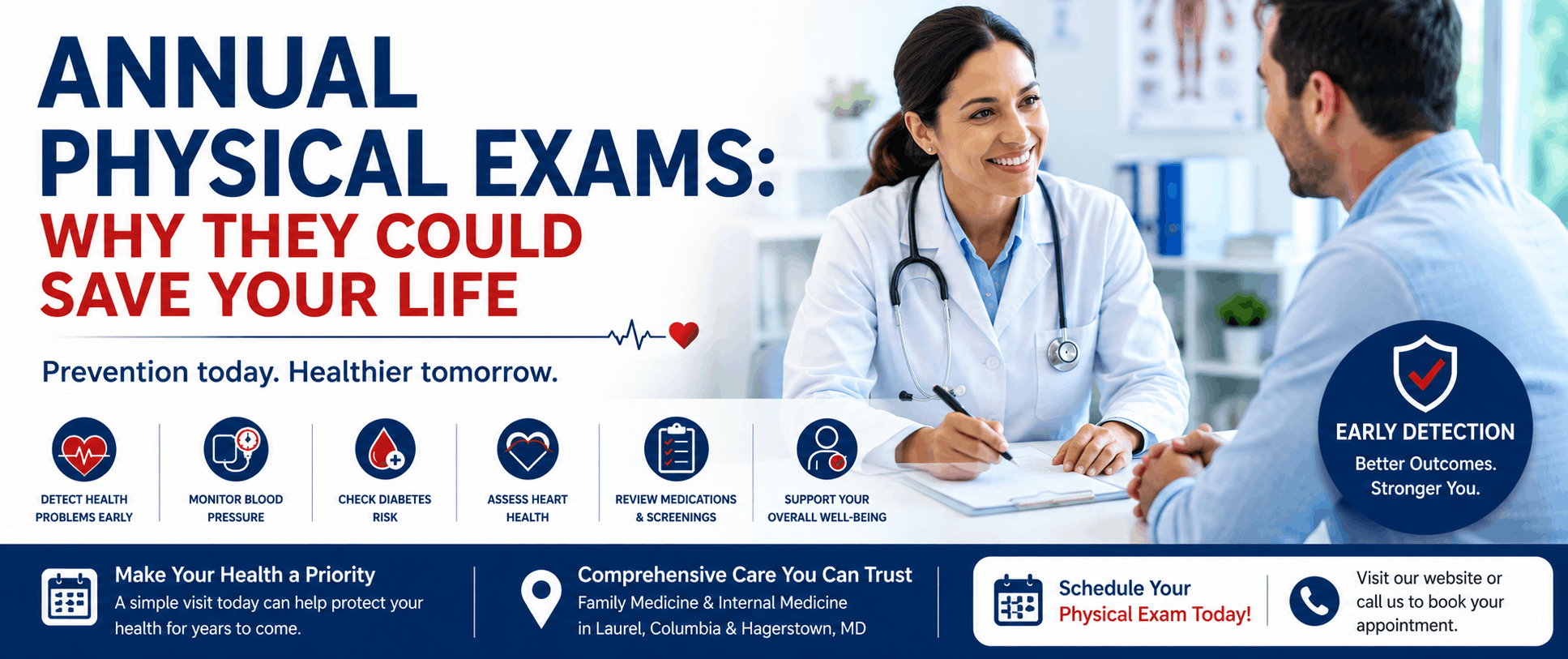
Many people visit a doctor only when they feel sick. But healthcare is not only about treating illness after symptoms appear. Preventive care focuses on maintaining good health, identifying risk factors and detecting certain health problems before they become more serious.
An annual physical exam is an opportunity to review your overall health, discuss concerns with your healthcare provider and determine which preventive services or screenings may be appropriate for you.
Regular health visits can be especially valuable because conditions such as high blood pressure, diabetes and certain cancers may develop without obvious symptoms in their early stages. Routine preventive care can help identify these risks and guide appropriate follow-up.
Why Preventive Care Matters
Routine healthcare visits can include health assessments, screening tests, vaccinations, counseling and discussions about lifestyle and family health history. The specific services recommended depend on your age, medical history, risk factors and individual healthcare needs.
🚨 An Annual Exam Is Not for Emergencies
A routine physical exam should not replace urgent or emergency medical care. If you experience severe chest pain, severe difficulty breathing, sudden weakness, fainting, uncontrolled bleeding or another potentially life-threatening symptom, seek emergency medical attention immediately.
What Is an Annual Physical Exam?
An annual physical exam is a preventive healthcare visit designed to assess your general health and identify areas that may require attention.
During the visit, your healthcare provider may review your medical history, medications, lifestyle habits, family history and current health concerns. Depending on your individual needs, the visit may also include measurements, physical examination and appropriate screening recommendations.
There is no single physical exam that is identical for everyone. A healthy young adult and an older adult with multiple medical conditions may require very different evaluations.
Health Assessment
Review your current health, medical history and ongoing health concerns.
Risk Evaluation
Identify factors that may increase your risk for conditions such as heart disease or diabetes.
Preventive Screening
Determine which screening tests may be appropriate based on your individual risk profile.
Health Planning
Create practical goals for prevention, lifestyle changes and ongoing medical care.

Why Should You Get an Annual Physical Exam?
Preventive healthcare gives you and your doctor a chance to look beyond a single symptom or illness. Instead of waiting until a health problem becomes noticeable, routine care can help identify risk factors and determine whether additional evaluation is appropriate.
1Detect Health Problems Early
Some health conditions can develop gradually without causing noticeable symptoms. High blood pressure, for example, may have no obvious warning signs even when blood pressure is elevated.
Regular healthcare visits provide opportunities to measure blood pressure and identify whether further evaluation is necessary.
Early identification does not guarantee that a disease will be prevented, but it can give patients and healthcare professionals more time to investigate abnormal findings and discuss appropriate treatment or lifestyle changes.
You Can Feel Healthy and Still Have a Health Risk
Feeling well does not necessarily mean every aspect of your health is normal. Some conditions remain silent for years, which is why preventive healthcare and appropriate screening are important.
2Monitor Blood Pressure
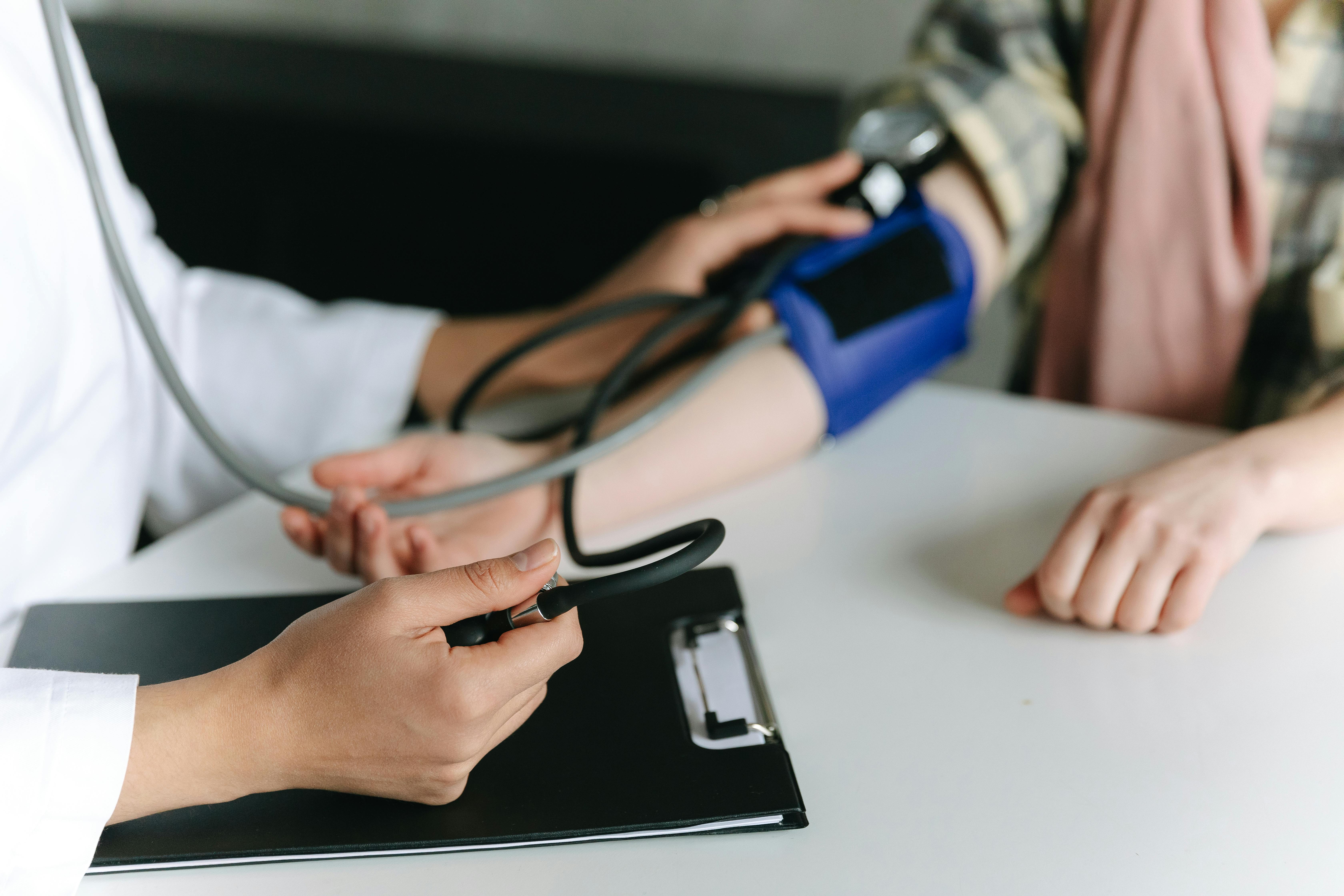
Blood pressure is one of the most important measurements taken during routine healthcare visits.
The U.S. Preventive Services Task Force recommends screening adults for hypertension. For some adults, particularly those who are older or at increased risk, screening may be appropriate more frequently than once a year. Diagnosis should be confirmed with measurements outside the clinical setting when appropriate.
Regular monitoring can help identify elevated blood pressure that might otherwise go unnoticed.
3Assess Diabetes Risk
Diabetes and prediabetes can develop gradually. Some people may have few or no noticeable symptoms during the early stages.
Depending on your age, weight, medical history and other risk factors, your healthcare provider may recommend blood glucose or HbA1c testing.
For example, the USPSTF recommends screening for prediabetes and type 2 diabetes in adults aged 35 to 70 who have overweight or obesity. Recommendations may differ for people with additional risk factors.
Why Diabetes Screening Matters
Identifying prediabetes or diabetes can provide an opportunity to discuss nutrition, physical activity, weight management and other appropriate interventions with your healthcare provider.
4Evaluate Your Heart Health
Your routine physical exam is also an opportunity to discuss cardiovascular health.
Your healthcare provider may review factors such as blood pressure, cholesterol, smoking, physical activity, diet, weight, diabetes risk and family history.
Depending on your individual situation, your doctor may recommend laboratory testing or additional cardiovascular evaluation.
Blood Pressure
Helps identify elevated blood pressure and cardiovascular risk.
Cholesterol
May be evaluated as part of cardiovascular risk assessment when appropriate.
Family History
Family health history can provide important information about inherited and familial health risks.
Lifestyle
Physical activity, nutrition, tobacco exposure and other habits can affect long-term heart health.
5Review Your Medications
If you take prescription medications, over-the-counter medicines or supplements, a routine visit is a useful opportunity to review them with your healthcare provider.
Your doctor can assess whether medications are still appropriate, discuss potential side effects and identify possible medication interactions.
Bring an Updated Medication List
- Prescription medications
- Over-the-counter medicines
- Vitamins and supplements
- Medication doses
- How frequently you take each medication
- Any side effects or concerns
6Stay Up to Date With Preventive Screenings
Preventive screening is one of the most important components of routine healthcare. Screening tests are designed to look for certain diseases before symptoms develop.
However, not everyone needs every screening test every year. Recommendations depend on factors such as age, sex, personal medical history, family history and individual risk.
Examples of preventive screening recommendations include screening for certain cancers, hypertension, diabetes and other health conditions.
Screening Should Be Personalized
There is no universal list of tests that every adult should receive every year. Your healthcare provider can help determine which screenings are appropriate for you based on current preventive-care recommendations and your personal health profile.
7Discuss Cancer Screening
Several cancers can be screened for before symptoms appear. Depending on age, sex, risk factors and other considerations, your doctor may discuss screening options for cancers such as breast, cervical, colorectal or lung cancer.
The timing and method of screening vary considerably. For example, colorectal cancer screening recommendations differ by age and risk, while lung cancer screening is intended for selected people at higher risk.
Your healthcare provider can help determine which cancer screening tests are appropriate for you.

8Review Your Family Health History
Your family health history can provide important clues about conditions that may run in families.
Tell your healthcare provider about major illnesses affecting parents, siblings and other close relatives when possible. Information about the age at which a family member developed a condition can also be useful.
Family history may influence decisions about screening, monitoring and prevention.
Prepare Your Family Health History
- Major medical conditions in close relatives
- Family history of heart disease
- Family history of diabetes
- Family history of certain cancers
- Age when relatives developed major illnesses
- Important causes of death among close family members
9Talk About Mental Health
Physical health and mental health are closely connected. A routine healthcare visit provides an opportunity to discuss changes in mood, stress, sleep, anxiety or other concerns.
Depending on your circumstances, your healthcare provider may recommend appropriate screening or additional support.
Do not hesitate to mention emotional or psychological concerns simply because your appointment is called a physical exam. Your overall health includes both physical and mental well-being.
10Review Your Lifestyle Habits
Small lifestyle choices can have a meaningful impact on long-term health. During a preventive visit, your doctor can discuss habits that may influence your risk of chronic disease.
Physical Activity
Discuss how regular movement and exercise can support cardiovascular and overall health.
Nutrition
Review eating habits and identify realistic opportunities for healthier choices.
Tobacco
Discuss smoking or tobacco exposure and available support for quitting.
Sleep
Talk about sleep quality, sleep schedules and concerns that may affect your health.
What Happens During a Physical Exam?
The exact process varies from person to person. Your healthcare provider may begin by reviewing your medical history, medications and current concerns.
Depending on your needs, your visit may include measurements such as blood pressure, heart rate, weight and other basic health assessments.
Your provider may also perform a physical examination and determine whether laboratory tests, screening tests or referrals are appropriate.
Medical History
Review previous illnesses, surgeries, medications and relevant health information.
Vital Measurements
Blood pressure, heart rate and other measurements may be assessed.
Physical Examination
Your provider may perform an examination based on your health needs and concerns.
Preventive Planning
Discuss screenings, vaccinations, lifestyle changes and follow-up care.
What Tests Might Be Included?
There is no standard set of laboratory tests that every person needs during every annual physical exam.
Your healthcare provider may recommend testing based on your age, medical history, symptoms, medications and risk factors.
Depending on your circumstances, testing may include blood glucose or HbA1c, cholesterol testing, blood counts or other laboratory studies.
More Tests Do Not Always Mean Better Care
Medical testing should be based on clinical need. Unnecessary testing can sometimes lead to false-positive results, anxiety or additional procedures. Your healthcare provider can help determine which tests are appropriate for you.
How Often Should You Have a Physical Exam?
The appropriate frequency of preventive healthcare depends on your age, medical history, risk factors and healthcare needs.
Many people use an annual visit as a convenient opportunity to review their health and preventive-care needs. However, some people may need more frequent visits, while others may not require every service every year.
If you have a chronic condition or take regular medications, your healthcare provider may recommend a personalized follow-up schedule.
Who Should Have Regular Physical Exams?
Adults of different ages can benefit from having an ongoing relationship with a primary care provider. Preventive care is not limited to people who are sick.
- Young adults establishing routine healthcare
- Adults managing chronic health conditions
- People with a family history of disease
- Adults with cardiovascular risk factors
- People taking long-term medications
- Older adults requiring age-appropriate preventive care
- People who want to improve their overall health
Why Family History Matters During Your Physical
Family health history can help your healthcare provider understand your potential risk for certain diseases.
For example, a strong family history of cardiovascular disease, diabetes or certain cancers may influence the type or timing of preventive care recommended for you.
Keep your family health history updated and share important changes with your healthcare provider.
Annual Physical Exams and Preventive Healthcare
A physical exam is only one part of preventive healthcare. Effective prevention can also include vaccinations, recommended screening tests, counseling and healthy lifestyle choices.
The CDC explains that routine preventive care can help people stay well and identify health problems early. Preventive visits may include screening tests, vaccinations, education and counseling.
The USPSTF provides evidence-based recommendations for many preventive services, including screening for hypertension, diabetes, certain cancers and other conditions.
Warning Signs You Should Not Ignore
Even if you have a regular annual physical, you should not wait for your next scheduled appointment if you develop new or concerning symptoms.
Contact Your Healthcare Provider About Concerning Symptoms
- Persistent or unexplained fatigue
- Unexplained weight loss or weight gain
- Persistent cough
- Repeated dizziness
- Changes in bowel or bladder habits
- Persistent abdominal discomfort
- Unusual swelling
- Persistent headaches
- Changes in a mole or skin lesion
- Other symptoms that are new, persistent or worsening
How to Prepare for Your Annual Physical Exam
A little preparation can make your appointment more productive. Before your visit, think about your current health concerns and any changes you have noticed since your previous appointment.
Bring These Items to Your Appointment
- Current medication list
- List of vitamins and supplements
- Recent medical records if applicable
- Information about previous diagnoses
- Family health history
- Questions you want to discuss
- Home blood pressure readings if your doctor has asked you to monitor them
- Information about allergies and previous reactions
Questions to Ask During Your Physical Exam
Make the Most of Your Visit
- What health risks should I be aware of?
- Is my blood pressure in a healthy range?
- Should I be screened for diabetes?
- Do I need a cholesterol test?
- Which cancer screenings are appropriate for my age and risk level?
- Are my vaccinations up to date?
- Do any of my medications need to be reviewed?
- What lifestyle changes would benefit my health?
- When should I schedule my next visit?
Can an Annual Physical Really Save Your Life?
An annual physical exam cannot prevent every disease or guarantee a specific health outcome. However, regular preventive healthcare can create opportunities to identify health risks, detect certain conditions earlier and take action before problems become more complicated.
For example, identifying consistently elevated blood pressure can lead to further evaluation and treatment. Finding abnormal blood glucose levels can prompt diabetes prevention or management. Appropriate cancer screening can identify certain cancers before symptoms appear.
The value of a physical exam therefore comes not from one test, but from the ongoing process of prevention, screening, monitoring and personalized healthcare.
Think of Your Physical as a Health Checkpoint
Your annual visit is an opportunity to pause, review your health and create a plan for the year ahead. Even when you feel healthy, preventive care can help you understand your risks and stay on track.
Frequently Asked Questions
What is an annual physical exam?
An annual physical exam is a preventive healthcare visit that reviews your overall health, medical history, risk factors and preventive-care needs. The exact examination and tests depend on your individual health situation.
Do I need a physical exam every year?
The appropriate frequency depends on your age, health status, risk factors and medical history. Many people schedule a yearly preventive visit, while some may need more or less frequent care.
Can a physical exam detect serious diseases?
A physical exam can identify certain abnormal findings and health risks, but it cannot detect every disease. Appropriate screening tests and additional evaluation may be needed depending on your individual risk factors.
What is checked during an annual physical?
Your healthcare provider may review your medical history, medications, lifestyle, family history and health concerns. Blood pressure and other measurements may be taken, and a physical examination or screening tests may be recommended when appropriate.
Does everyone need the same blood tests?
No. Laboratory testing should be based on individual factors such as age, medical history, symptoms and risk factors. Your provider can determine which tests are appropriate.
Can an annual physical detect diabetes?
Screening tests such as blood glucose or HbA1c can help identify prediabetes or diabetes when screening is appropriate. Screening recommendations depend on age and risk factors.
Can a physical exam detect high blood pressure?
Blood pressure measurement is a common component of healthcare visits and can identify elevated blood pressure. When hypertension is suspected, additional measurements outside the clinical setting may be recommended to confirm the diagnosis.
Should I bring my medications to my physical?
Bring an accurate list of all prescription medicines, over-the-counter medications, vitamins and supplements you take. This helps your healthcare provider review your medications safely.
What cancer screenings should I get?
Cancer screening recommendations vary according to age, sex, personal history, family history and other risk factors. Your healthcare provider can help determine which screenings are appropriate for you.
What if I feel completely healthy?
Preventive care is still important. Some health conditions can develop without noticeable symptoms, so routine healthcare provides an opportunity to assess risk and determine whether screening or preventive services are appropriate.
Is an annual physical the same as an urgent-care visit?
No. An annual physical focuses on preventive healthcare and overall health assessment, while urgent care is generally intended for acute illnesses or injuries that require prompt attention.
What should I do if I have symptoms before my annual exam?
Do not necessarily wait for your scheduled physical. Contact your healthcare provider if you develop new, persistent or concerning symptoms. Seek emergency care for potentially life-threatening symptoms.
How Padder Health Services Can Help
At Padder Health Services, our primary care teams provide comprehensive healthcare focused on prevention, routine medical care and ongoing health management.
Our services include Family Medicine and Internal Medicine, with healthcare locations in Laurel, Columbia and Hagerstown, Maryland. Our providers can help patients understand their health risks, manage chronic conditions and coordinate appropriate preventive care.
Primary Care Services Can Include
- Routine physical examinations
- Preventive healthcare
- Health risk assessment
- Chronic disease management
- Blood pressure monitoring
- Diabetes risk assessment
- Cardiovascular risk management
- Preventive screening coordination
- Medication review
- Family and adult healthcare
Our Laurel, Maryland location is at 7350 Van Dusen Road, Suite 130/B40, Laurel, MD 20707. The office is open Monday through Friday from 8:30 AM to 5:00 PM.
Make Preventive Healthcare a Priority
Don’t wait until a health problem becomes serious to pay attention to your health. Schedule a preventive visit and discuss the screenings, health checks and lifestyle changes that may be right for you.
Final Thoughts
An annual physical exam is more than a routine appointment. It is an opportunity to understand your current health, identify potential risk factors and develop a personalized plan for prevention.
Routine preventive care can help identify conditions such as high blood pressure and diabetes risk, while age- and risk-appropriate screening can help detect certain diseases earlier.
Remember that not every person needs the same tests or screenings. Your healthcare needs change throughout life, and preventive recommendations should be personalized according to your age, medical history, family history and risk factors.
Even if you feel perfectly healthy, maintaining a relationship with a primary care provider can help you stay informed about your health and address problems before they become more difficult to manage.
At Padder Health Services, our Family Medicine and Internal Medicine teams are committed to comprehensive, patient-focused healthcare that emphasizes prevention, routine care and long-term health management.
Your Health Deserves a Yearly Check-In
Don’t wait for symptoms to tell you that something is wrong. A preventive healthcare visit can help you understand your health risks, stay current with appropriate screenings and make informed decisions about your long-term health.