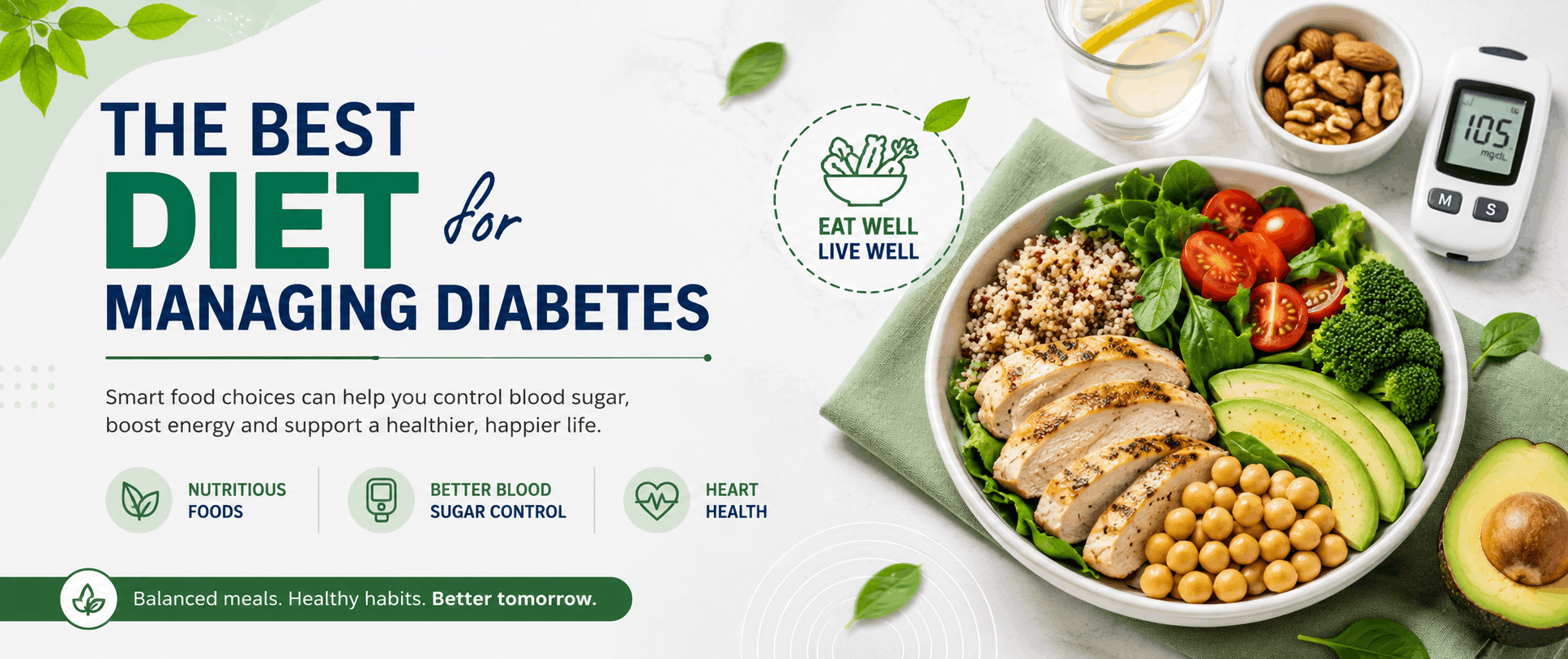
Best Diet for Managing Diabetes | Healthy Food Tips
August 21, 2026
Managing diabetes involves more than checking your blood sugar.
The foods you eat, how much you eat, and how consistently you follow
healthy eating habits can all play an important role in diabetes
management and overall health.
A diabetes-friendly diet does not mean that you have to give up all
carbohydrates or avoid your favorite foods completely. Instead, the
goal is to choose nutritious foods, control portions, include enough
fiber and protein, and limit foods that are high in added sugar and
unhealthy fats.
There is no single meal plan that works for everyone with diabetes.
Your dietary needs may depend on the type of diabetes you have, your
medications, activity level, age, weight, and other health conditions.
Working with your healthcare provider or a qualified dietitian can
help you create an eating plan that is appropriate for your individual
needs.
Important:
A healthy diet can be an important part of diabetes management,
but it should not replace prescribed medical treatment. If you
take insulin or other diabetes medications, do not change or stop
your medication without speaking with your healthcare provider.
Why Is Diet Important for Diabetes Management?
The foods you eat can directly affect your blood glucose levels.
Carbohydrates are broken down into glucose during digestion, which
can cause blood sugar to rise after eating.
Choosing higher-fiber carbohydrate sources, eating appropriate
portions, and combining carbohydrates with protein and healthy fats
can help create more balanced meals.
Healthy eating can also support other important aspects of diabetes
care, including maintaining a healthy weight, supporting heart health,
improving overall nutrition, and reducing the risk of certain
diabetes-related complications.
A balanced diet can include vegetables, whole grains, lean
protein, healthy fats, and appropriate portions of fruit.
What Is a Diabetes-Friendly Diet?
A diabetes-friendly diet focuses on nutritious foods that provide
essential vitamins, minerals, fiber, protein, and healthy fats while
helping you manage carbohydrate intake and portion sizes.
Rather than focusing on eliminating one particular food group, a
healthy diabetes eating pattern emphasizes balance and moderation.
Meals can include plenty of vegetables, whole grains, lean protein,
healthy fats, and appropriate portions of whole fruits and dairy
products.
A Diabetes-Friendly Eating Pattern May Include:
Non-starchy vegetables:
Leafy greens, broccoli, cauliflower, cucumber, tomatoes,
cabbage, peppers, and other vegetables.
Lean protein:
Fish, skinless poultry, eggs, beans, lentils, tofu, and other
suitable protein sources.
Healthy fats:
Nuts, seeds, avocados, and certain vegetable oils in appropriate
portions.
Whole fruits:
Fruits can be part of a balanced diet when consumed in
appropriate portions.
Do People With Diabetes Need to Avoid Carbohydrates?
One common misconception about diabetes is that carbohydrates must be
completely eliminated. In reality, carbohydrates can be part of a
healthy diabetes meal plan.
The type and amount of carbohydrate are important. Foods that provide
fiber and other nutrients, such as vegetables, legumes, whole grains,
and whole fruits, can be better choices than highly refined and
heavily processed carbohydrate foods.
Portion size is also important because even nutritious carbohydrate
foods can raise blood glucose when consumed in large amounts.
Choosing nutrient-rich whole foods can help create balanced meals
as part of a diabetes management plan.
Best Foods for Managing Diabetes
There are many nutritious foods that can be included in a
diabetes-friendly eating pattern. Instead of relying on a single
“diabetes superfood,” focus on creating balanced meals using a
variety of nutrient-rich foods.
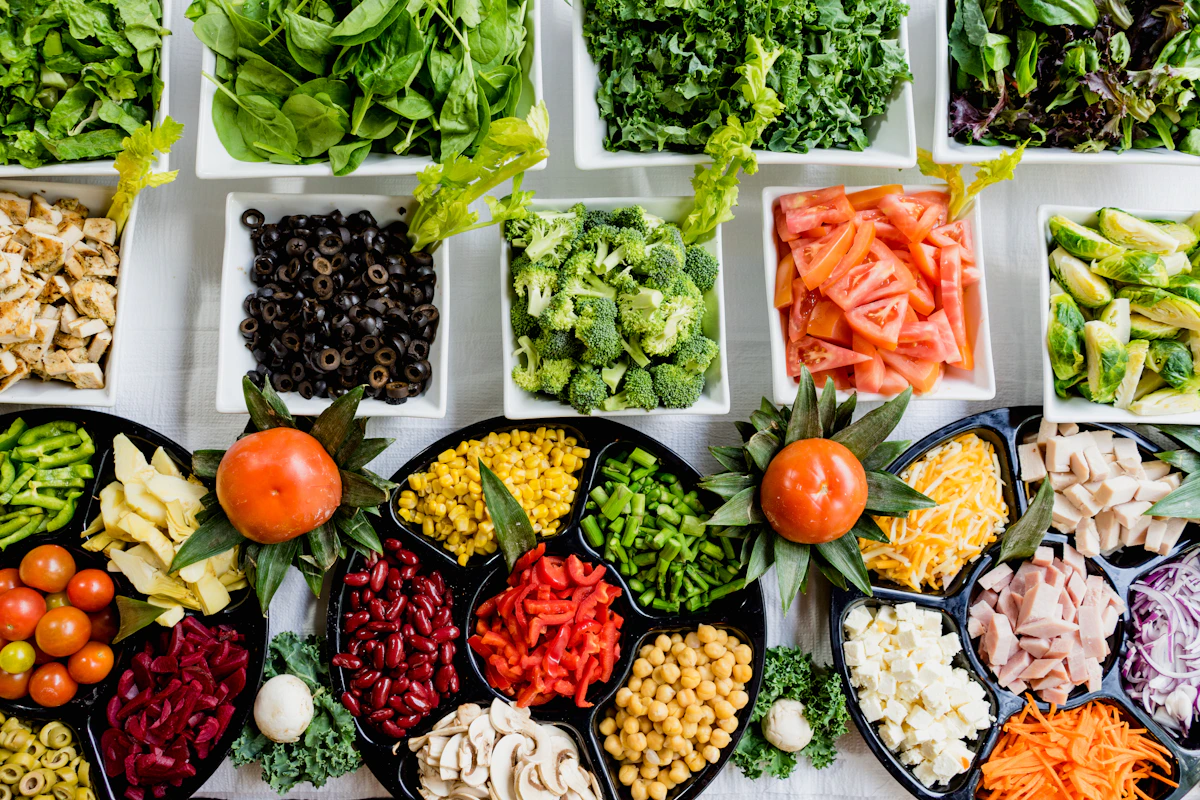
1. Non-Starchy Vegetables
Non-starchy vegetables are an excellent addition to meals because
they provide fiber, vitamins, minerals, and other nutrients while
generally containing fewer carbohydrates than starchy foods.
Good choices include spinach, broccoli, cauliflower, cabbage,
cucumber, tomatoes, peppers, mushrooms, green beans, and other
leafy vegetables.
2. Whole Grains
Whole grains can provide more fiber and nutrients than refined grains.
Depending on your individual meal plan, options may include oats,
brown rice, barley, whole-wheat products, and other minimally
processed whole grains.
Remember that whole grains still contain carbohydrates, so portion
size remains important when managing blood glucose.
3. Beans and Lentils
Beans, chickpeas, peas, and lentils provide fiber and plant-based
protein and can be a nutritious addition to many meals.
They can be used in soups, salads, curries, or served alongside
vegetables and other healthy foods.
4. Lean Protein
Protein can help make meals more satisfying and can be an important
component of a balanced diabetes meal plan.
Suitable options may include fish, skinless chicken, eggs, tofu,
beans, lentils, and other lean protein sources.
5. Choose Healthy Fats
Not all fats are the same. Including healthy unsaturated fats in
appropriate portions can be part of a balanced diabetes-friendly
eating pattern. Healthy fats can also help make meals more satisfying.
Good sources include nuts, seeds, avocados, and certain vegetable
oils. However, fats are calorie-dense, so portion sizes are still
important.
Healthy Fat Choices
Unsalted almonds, walnuts, and other nuts
Seeds such as chia, flax, and sunflower seeds
Avocado
Olive and other unsaturated vegetable oils
Fatty fish such as salmon, when appropriate
Nuts, seeds, avocados, and other sources of unsaturated fats can
be included in a balanced eating pattern.
6. Include Whole Fruits in Appropriate Portions
Having diabetes does not mean that you have to completely avoid fruit.
Whole fruits provide fiber, vitamins, minerals, water, and other
nutrients that can be part of a healthy diet.
Fruits such as apples, oranges, berries, pears, guava, and other
whole fruits can be included in appropriate portions.
Because fruit contains natural carbohydrates, portion size is
important. Whole fruit is generally preferable to fruit juice because
it contains fiber and can be more filling.
Better Fruit Choices
Apples
Oranges
Berries
Pears
Guava
Peaches
Other whole seasonal fruits
7. Choose Unsweetened Dairy Options
Dairy products can provide protein, calcium, and other important
nutrients. When choosing dairy foods, look for unsweetened options
and pay attention to the nutrition label.
Plain yogurt, unsweetened milk, and other suitable low-fat dairy
options may be included depending on your individual dietary needs.
What to Look For
Plain, unsweetened yogurt
Unsweetened milk
Low-fat dairy options when appropriate
Products without added sugars
Foods to Limit When Managing Diabetes
A diabetes-friendly diet is not simply about adding healthy foods.
It is also important to be mindful of foods that are high in added
sugar, refined carbohydrates, unhealthy fats, and excess calories.
You do not necessarily have to completely eliminate every food you
enjoy. Instead, focus on moderation, portion control, and making
healthier choices most of the time.
1. Limit Sugary Drinks
Soft drinks, sweetened juices, energy drinks, sweetened tea, and other
sugary beverages can contain significant amounts of added sugar.
Regular consumption can make blood sugar management more difficult.
Better Choices
Water
Unsweetened tea
Unsweetened coffee
Water infused with lemon or other fresh ingredients
2. Reduce Refined Carbohydrates
Refined carbohydrate foods such as white bread, many bakery products,
refined flour foods, and highly processed snacks may contain less
fiber than whole-grain alternatives.
Whenever practical, choose higher-fiber and minimally processed
carbohydrate sources instead.
3. Limit Sweets and Desserts
Cakes, pastries, cookies, candies, ice cream, and other desserts can
contain large amounts of added sugar and refined carbohydrates.
If you choose to have a dessert, keeping the portion small and
considering it as part of your overall meal plan can help you maintain
better balance.
Foods high in added sugar and refined carbohydrates are best
limited when managing diabetes.
4. Be Careful With Highly Processed Foods
Many packaged and highly processed foods can contain added sugars,
refined carbohydrates, excess sodium, and unhealthy fats.
Reading nutrition labels can help you identify added sugars,
carbohydrate content, serving sizes, and other important nutritional
information.
5. Limit Frequently Fried Foods
Deep-fried foods can be high in calories and unhealthy fats. Eating
them frequently may make it harder to maintain a healthy weight and
overall heart health.
Consider healthier cooking methods such as grilling, baking, roasting,
steaming, or lightly sautéing.
Healthy Eating Tip:
Instead of focusing only on what you cannot eat, concentrate on
building meals around vegetables, lean protein, high-fiber foods,
and appropriate portions of carbohydrates. Small, sustainable
changes are often easier to maintain than extreme diets.
Why Portion Control Matters in Diabetes
Even healthy foods can affect blood glucose when consumed in large
quantities. Portion control is therefore an important part of
diabetes-friendly eating.
Paying attention to serving sizes can help you manage carbohydrate
intake and overall calorie consumption without having to completely
eliminate nutritious foods from your diet.
Simple Portion Control Tips
Use smaller plates when appropriate.
Pay attention to serving sizes on nutrition labels.
Fill a large portion of your plate with non-starchy vegetables.
Include an appropriate serving of lean protein.
Choose controlled portions of carbohydrate-rich foods.
Avoid eating directly from large packages of snacks.
Eat slowly and pay attention to hunger and fullness.
Portion control can help make balanced eating easier when managing
blood glucose.
How to Create a Diabetes-Friendly Meal
Knowing which foods are healthier is only one part of diabetes
management. Learning how to combine those foods into balanced meals
can make healthy eating easier to follow every day.
A simple plate-based approach can help you include vegetables, protein,
and carbohydrate-rich foods in appropriate proportions.
How to Create a Diabetes-Friendly Meal
Creating a balanced meal does not have to be complicated. One practical
approach is to divide your plate into different food groups so that
you get a combination of vegetables, protein, and healthy sources of
carbohydrates.
This approach can make portion control easier and help you build
nutritious meals without having to follow a complicated diet plan.
A balanced plate can include vegetables, lean protein and
appropriate portions of healthy carbohydrates.
Fill Half Your Plate With Non-Starchy Vegetables
Try to make non-starchy vegetables a major part of your meal. Foods
such as leafy greens, broccoli, cauliflower, cucumber, tomatoes,
cabbage, peppers and green beans can add fiber and important
nutrients while generally providing fewer carbohydrates.
Add Lean Protein
Include a suitable source of protein such as fish, skinless chicken,
eggs, beans, lentils or tofu. Protein can help make meals more
satisfying and can be an important part of a balanced eating pattern.
Choose an Appropriate Portion of Carbohydrates
Include a controlled portion of carbohydrate-rich foods such as
whole grains, brown rice, oats, whole-wheat roti, beans or lentils.
The amount that is appropriate can vary depending on your individual
nutritional needs and diabetes treatment.
Sample One-Day Diabetes-Friendly Meal Plan
A meal plan for diabetes should be individualized. The following
example is intended only to demonstrate how balanced food choices
can be combined throughout the day.
Note:
Portion sizes and food choices should be adjusted according to
your blood glucose goals, medications, activity level and advice
from your doctor or dietitian.
Breakfast
Vegetable omelet or another suitable protein source
A small serving of oats or another whole-grain food
One portion of whole fruit
Unsweetened tea or coffee
A nutritious breakfast can combine protein, fiber and an
appropriate portion of carbohydrates.
Mid-Morning Snack
A small portion of unsalted nuts or seeds
Water or another unsweetened beverage
Lunch
A generous serving of non-starchy vegetables
Dal, beans, fish, chicken or another suitable protein
A controlled portion of brown rice or whole-grain roti
Plain unsweetened yogurt, if suitable
A balanced lunch can combine vegetables, protein and a controlled
portion of high-fiber carbohydrates.
Evening Snack
A small portion of whole fruit
Unsweetened tea
A small portion of nuts, if appropriate
Dinner
Plenty of non-starchy vegetables
Fish, chicken, beans, lentils or another lean protein
A suitable portion of whole-grain carbohydrate
Water or another unsweetened beverage
Choose Healthier Cooking Methods
How food is prepared can also affect the nutritional quality of your
meals. Cooking methods that use less added fat can make it easier to
manage overall calorie intake.
Better Cooking Options Include:
Steaming
Grilling
Baking
Roasting
Boiling
Light sautéing with an appropriate amount of oil
Try to limit frequent deep-frying and avoid adding excessive amounts
of butter, cream, or high-calorie sauces to meals.
Fresh vegetables and minimally processed ingredients can form
the foundation of nutritious home-cooked meals.
Healthy Eating Habits That Can Support Diabetes Management
Following a diabetes-friendly diet is easier when healthy choices
become part of your regular routine. Small and consistent changes can
be more sustainable than following restrictive diets for a short
period of time.
1. Drink More Water
Choose water instead of sugary beverages whenever possible. Regular
consumption of sugary drinks can add significant amounts of sugar and
calories to your diet.
2. Read Food Labels
Nutrition labels can help you understand serving sizes, total
carbohydrates, added sugars, calories, sodium and other nutritional
information.
3. Avoid Skipping Meals Without Medical Advice
Some people with diabetes may need consistent meal timing, especially
if they use insulin or certain medications. If you are considering
fasting or significantly changing your meal schedule, discuss it with
your healthcare provider first.
4. Eat Mindfully
Eating slowly and paying attention to hunger and fullness can make
portion control easier. Avoid eating directly from large packets or
containers when possible.
5. Plan Your Meals
Planning meals in advance can reduce the temptation to rely on
processed foods or high-sugar snacks when you are hungry.
Healthy food choices and consistent lifestyle habits can support
an overall diabetes management plan.
Combine Healthy Eating With Regular Physical Activity
Diet is only one part of diabetes management. Regular physical
activity, when appropriate for your health, can complement healthy
eating and support overall health.
Activities such as walking, cycling, swimming, or other forms of
moderate exercise may be suitable for many people. However, the
appropriate type and intensity of physical activity can vary from
person to person.
If you have diabetes or other health conditions, speak with your
healthcare provider before beginning a new or intensive exercise
program.
Remember:
Healthy eating is an important part of diabetes care, but
individual treatment plans are different. Continue monitoring
your blood glucose as advised and take prescribed medicines
according to your healthcare provider’s instructions.
NEED MEDICAL GUIDANCE?
Get Personalized Care for Your Health
If you have questions about diabetes, blood sugar management,
nutrition, or your overall health, our healthcare professionals
are here to help.