-
 August 24, 2026
Diabetes is often thought of as a condition that mainly affects blood sugar. However, its effects can extend far beyond glucose levels. Diabetes, particularly Type 2 diabetes, is closely connected with cardiovascular health and can significantly increase the risk of heart disease and stroke.
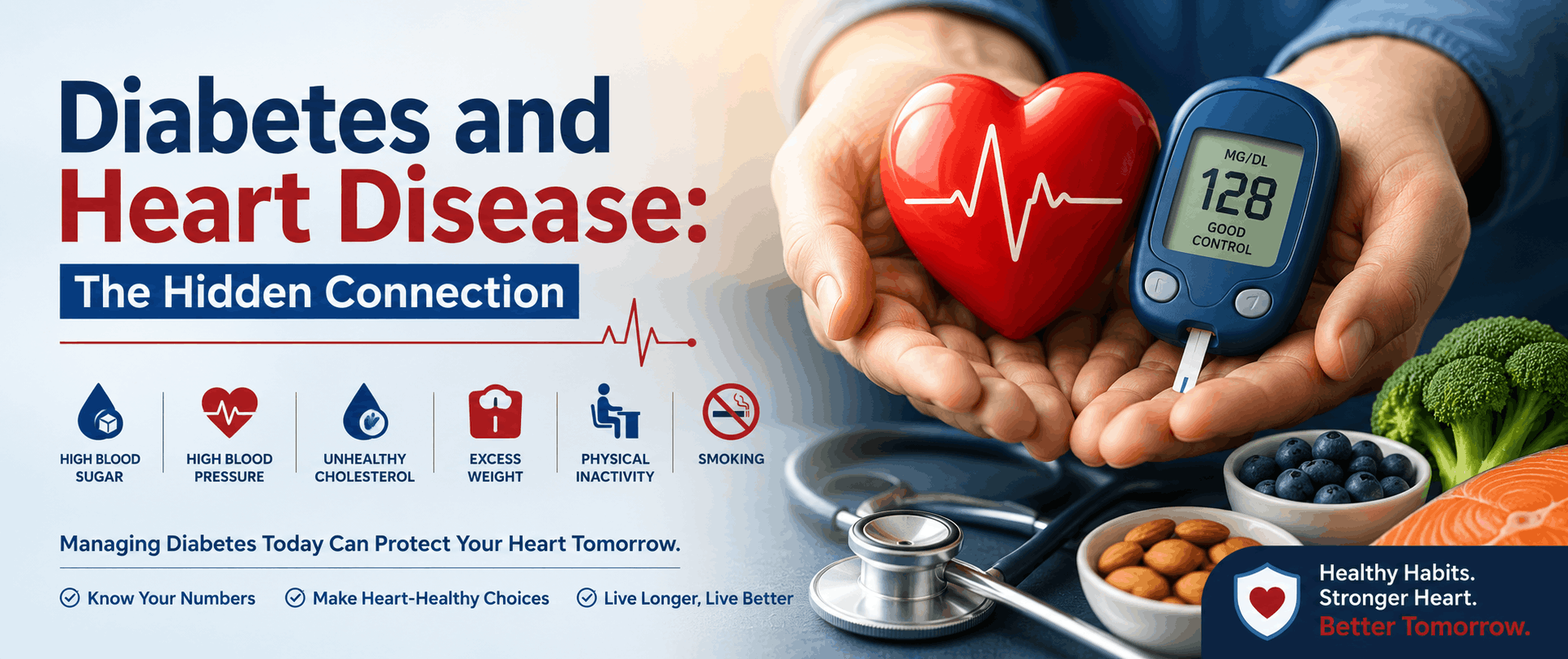
The connection between diabetes and heart disease is important because many of the factors that contribute to diabetes can also affect the heart and blood vessels. High blood pressure, unhealthy cholesterol levels, excess weight, physical inactivity and smoking can increase cardiovascular risk in people with diabetes.
The good news is that managing diabetes involves much more than checking blood sugar. Working with your healthcare team to manage blood sugar, blood pressure, cholesterol, weight, physical activity and other risk factors can help protect your heart and blood vessels.
🚨 Know the Warning Signs of a Heart Emergency
People with diabetes may have an increased risk of cardiovascular disease. If you experience symptoms such as chest pressure or pain, severe shortness of breath, fainting, sudden weakness, or other concerning symptoms, seek emergency medical care immediately.
Do not ignore new or unusual symptoms simply because you have diabetes or because you think they may be related to blood sugar.
Why Is Diabetes a Heart Disease Risk Factor?
The American Heart Association considers diabetes one of the major controllable risk factors for cardiovascular disease. People living with Type 2 diabetes are more likely to develop cardiovascular conditions such as heart attacks, strokes and heart failure.
Diabetes often occurs alongside other cardiovascular risk factors, including high blood pressure, abnormal cholesterol, excess weight and physical inactivity. Managing these factors together is an important part of protecting long-term heart health.
What Is the Connection Between Diabetes and Heart Disease?
Diabetes occurs when blood glucose levels become too high because the body does not make enough insulin, does not use insulin effectively, or both. When blood sugar remains elevated over time, it can contribute to damage affecting blood vessels and other organs.
At the same time, people with diabetes may have other conditions that increase cardiovascular risk. High blood pressure can place additional strain on blood vessels and the heart. Unhealthy cholesterol levels can contribute to plaque buildup in arteries. Excess weight and physical inactivity can further increase metabolic and cardiovascular risk.
These factors can interact with one another, which is why diabetes care should include attention to overall cardiovascular health rather than focusing only on blood glucose.
High Blood Sugar
Persistently elevated blood glucose can contribute to damage affecting blood vessels and increase cardiovascular risk.
High Blood Pressure
Diabetes and high blood pressure commonly occur together, increasing the strain placed on the heart and blood vessels.
Unhealthy Cholesterol
Diabetes can be associated with unhealthy cholesterol and triglyceride levels that contribute to cardiovascular risk.
Physical Inactivity
A lack of physical activity can contribute to insulin resistance, excess weight and cardiovascular risk.

1Diabetes Can Increase the Risk of Heart Disease
Diabetes is a major risk factor for cardiovascular disease. People with diabetes may be more likely to develop conditions affecting the heart and blood vessels, including coronary artery disease, heart attack, stroke and peripheral artery disease.
The increased risk is not caused by blood sugar alone. Diabetes often occurs alongside high blood pressure, abnormal cholesterol, excess weight and other metabolic risk factors.
The Important Takeaway
If you have diabetes, protecting your heart should be considered part of your diabetes care. Ask your healthcare team about your cardiovascular risk and which factors should be monitored regularly.
2High Blood Sugar Can Affect Blood Vessels
When blood glucose remains too high over long periods, it can contribute to damage throughout the body. Blood vessels can be affected, and this can contribute to cardiovascular complications.
This is one reason why diabetes management involves regular monitoring and treatment. Your healthcare provider may recommend blood glucose testing, HbA1c testing and other assessments to understand how well your diabetes is being managed.
Know Your Blood Sugar Numbers
Your healthcare provider can tell you how often your blood glucose should be checked and what targets are appropriate for you. HbA1c testing provides information about average blood glucose over a period of time and can help your healthcare team assess your diabetes management.
3Diabetes and High Blood Pressure Often Occur Together
High blood pressure is another major risk factor for heart disease and stroke. When diabetes and high blood pressure occur together, cardiovascular risk can be even greater.
High blood pressure may not cause noticeable symptoms, which makes regular monitoring important. Your healthcare provider can determine your blood pressure goal based on your individual health and risk factors.
Don’t Ignore High Blood Pressure
Do not assume that you can tell whether your blood pressure is high based on how you feel. Many people with elevated blood pressure have no symptoms. Regular blood pressure checks can help identify problems early.
4Diabetes Can Affect Cholesterol Levels
Cholesterol is another important part of cardiovascular risk management. People with diabetes are more likely to have unhealthy cholesterol patterns, including elevated LDL cholesterol, lower HDL cholesterol and higher triglycerides.
When cholesterol and other fats contribute to plaque buildup inside arteries, blood flow can become restricted. This process can contribute to coronary artery disease, heart attack, stroke and peripheral artery disease.
LDL Cholesterol
Higher LDL cholesterol is associated with a greater risk of cardiovascular disease.
HDL Cholesterol
HDL is often called “good” cholesterol because higher levels are generally associated with lower cardiovascular risk.
Triglycerides
High triglyceride levels, particularly when combined with other lipid abnormalities, can contribute to cardiovascular risk.
5Excess Weight Can Increase Cardiovascular Risk
Excess body weight is associated with insulin resistance and several cardiovascular risk factors, including high blood pressure and unhealthy cholesterol levels.
If you have diabetes and are above a healthy weight, even gradual and sustainable changes can support better overall health. Your healthcare provider or qualified dietitian can help you develop an appropriate nutrition and activity plan.
Focus on Sustainable Changes
- Choose more vegetables, fruits and fiber-rich foods.
- Choose appropriate portions.
- Limit highly processed foods.
- Reduce excess added sugars.
- Stay physically active.
- Set realistic goals rather than following extreme diets.

6Physical Activity Helps Protect Both Diabetes and Heart Health
Regular physical activity is an important part of diabetes and cardiovascular health management. Exercise can help the body use insulin more effectively and can also support blood pressure, weight management and cardiovascular fitness.
For overall cardiovascular health, adults are generally encouraged to aim for at least 150 minutes of moderate-intensity aerobic activity per week or 75 minutes of vigorous activity, or a combination of the two. Muscle-strengthening activity should also be included at least two days each week.
Walking
Brisk walking is an accessible way to add regular movement to your routine.
Cycling
Cycling can provide aerobic exercise while strengthening the lower body.
Swimming
Swimming and water-based activities can provide cardiovascular exercise with relatively low impact.
Strength Training
Resistance exercises can complement aerobic activity and help maintain muscle strength.
Exercise Safely With Diabetes
If you take insulin or certain diabetes medications, physical activity may affect your blood glucose. Ask your healthcare team whether you need to check your blood sugar before, during or after exercise and what precautions are appropriate for you.
7Smoking Makes Cardiovascular Risk Even Higher
Smoking is harmful to the heart and blood vessels whether or not a person has diabetes. When diabetes and smoking occur together, cardiovascular risk can be particularly concerning.
Quitting smoking is one of the most important steps you can take to protect your cardiovascular health. If you smoke, speak with your healthcare provider about evidence-based support and treatment options that can help you quit.
Every Quit Attempt Matters
If you have tried to quit before, do not assume that another attempt will not work. Healthcare professionals can help you identify strategies and resources that may improve your chances of quitting successfully.
8Diabetes Can Increase the Risk of Stroke
Diabetes does not only affect the heart. It can also increase the risk of stroke. High blood pressure, unhealthy cholesterol, blood vessel disease and other cardiovascular risk factors can contribute to this risk.
Managing diabetes and its associated cardiovascular risk factors is therefore important for protecting both heart and brain health.
🚨 Know the Warning Signs of Stroke
- Sudden weakness or numbness, especially on one side of the body
- Sudden difficulty speaking or understanding speech
- Sudden vision changes
- Sudden dizziness or loss of balance
- Sudden severe headache without a known cause
If these symptoms occur, seek emergency medical care immediately.
9Kidney Health and Heart Health Are Connected
Diabetes can affect the kidneys over time. Kidney disease and cardiovascular disease are closely connected, and problems involving blood sugar, the kidneys and the cardiovascular system can influence one another.
This is why comprehensive diabetes care may include monitoring kidney health in addition to blood glucose, blood pressure, cholesterol and weight.
Think Beyond Blood Sugar
A complete diabetes care plan should consider your cardiovascular and kidney health as well as your blood glucose. Ask your healthcare team which tests and monitoring are appropriate for you.

10Regular Checkups Can Help Detect Risk Early
Diabetes and cardiovascular disease can develop gradually, and some risk factors may not cause noticeable symptoms. Regular healthcare visits can help identify changes before they become more serious.
Depending on your health, your healthcare team may monitor blood glucose or HbA1c, blood pressure, cholesterol, weight and kidney health.
Blood Sugar
Monitor your glucose and HbA1c according to your healthcare provider’s recommendations.
Blood Pressure
Regular blood pressure checks can help identify hypertension.
Cholesterol
Lipid testing can help assess cardiovascular risk and guide treatment.
Kidney Health
Diabetes care may include regular assessment of kidney function and kidney-related risk.
What Can You Do to Protect Your Heart If You Have Diabetes?
The connection between diabetes and heart disease may sound concerning, but there are many practical steps you can take to reduce cardiovascular risk.
- Take your diabetes medications exactly as prescribed.
- Monitor your blood glucose as recommended.
- Keep track of your blood pressure.
- Have your cholesterol checked regularly.
- Maintain a healthy eating pattern.
- Stay physically active.
- Work toward a healthy weight when appropriate.
- Do not smoke and avoid secondhand smoke.
- Get adequate, consistent sleep.
- Manage ongoing stress.
- Attend regular medical appointments.
- Discuss your overall cardiovascular risk with your healthcare provider.
Know Your Numbers
If you have diabetes, ask your healthcare team which numbers you should monitor and how often. Blood glucose, HbA1c, blood pressure, cholesterol, body weight and kidney health can all be important parts of your overall health assessment.
Can Diabetes Be Managed Without Medication?
Lifestyle changes are an important part of diabetes management, but they are not a substitute for prescribed treatment when medication is needed.
Depending on the type of diabetes and individual health needs, treatment may include lifestyle changes, oral medications, injectable medications, insulin or other therapies.
Never stop, skip or change diabetes medication on your own because your blood sugar improves or because you feel well. Discuss treatment changes with your healthcare provider.
Never Change Your Diabetes Treatment Without Medical Advice
If you are experiencing side effects, frequent high or low blood sugar readings, or concerns about your medications, contact your healthcare provider. Your treatment plan may need to be adjusted based on your individual needs.
Heart-Healthy Eating for People With Diabetes
A heart-healthy eating pattern can support both diabetes and cardiovascular health. Rather than focusing on one specific food, aim for an overall balanced pattern that provides vegetables, fruits, whole grains, fiber-rich foods, lean protein and healthy fats while limiting excess added sugars, sodium and highly processed foods.
Eat More
- Vegetables
- Fruits
- Whole grains
- Beans and lentils
- Nuts and seeds
- Fish and lean proteins
Choose Wisely
- Portion sizes
- Healthy cooking methods
- Unsaturated fats
- High-fiber foods
- Lower-sodium options
Limit
- Highly processed foods
- Excess added sugars
- Excess sodium
- Foods high in saturated fat
- Sugary beverages
Stress, Sleep and Heart Health
Diabetes management is not only about food and medication. Stress, sleep and physical activity can also affect overall health and make it easier or harder to maintain healthy habits.
Getting enough quality sleep, staying physically active and developing healthy ways to manage stress can support overall cardiovascular and metabolic health.

When Should a Person With Diabetes See a Cardiologist?
Not everyone with diabetes automatically needs to see a cardiologist. However, your primary care physician or diabetes care team may recommend cardiovascular evaluation depending on your symptoms, medical history and overall cardiovascular risk.
A cardiology consultation may be appropriate when there are symptoms or known cardiovascular conditions, or when your healthcare team believes additional cardiovascular assessment is needed.
Talk to Your Healthcare Team About Your Risk
Ask your doctor how diabetes affects your individual cardiovascular risk and whether you need additional monitoring, testing or specialist evaluation.
Frequently Asked Questions
Does diabetes cause heart disease?
Diabetes is a major risk factor for cardiovascular disease. It can increase cardiovascular risk through effects associated with elevated blood glucose and through its frequent connection with high blood pressure, unhealthy cholesterol, excess weight and physical inactivity.
Are people with diabetes more likely to have a heart attack?
Yes. Diabetes, particularly Type 2 diabetes, is associated with an increased risk of cardiovascular disease, including heart attacks and strokes. Managing diabetes and other cardiovascular risk factors can help reduce risk.
Can controlling blood sugar protect the heart?
Good diabetes management is an important part of cardiovascular risk reduction. However, blood sugar is only one part of the picture. Blood pressure, cholesterol, weight, physical activity, smoking and other factors also need attention.
Can exercise reduce heart disease risk in diabetes?
Regular physical activity can support cardiovascular fitness, insulin sensitivity, weight management and other health factors. Adults are generally encouraged to aim for at least 150 minutes of moderate aerobic activity per week or 75 minutes of vigorous activity, plus muscle-strengthening activity at least two days per week.
What cholesterol level is safe if I have diabetes?
There is no single cholesterol target that applies to every person with diabetes. Your healthcare provider considers your age, cardiovascular history, other risk factors and overall health when determining appropriate treatment and cholesterol goals.
Can diabetes cause a stroke?
Diabetes increases the risk of cardiovascular disease, including stroke. Managing blood glucose, blood pressure, cholesterol, weight and other cardiovascular risk factors can help reduce overall risk.
Can I have heart disease without symptoms?
Yes. Cardiovascular disease can develop without obvious symptoms. This is one reason regular medical checkups and cardiovascular risk assessment are important for people with diabetes.
Should I stop my diabetes medication if my blood sugar improves?
No. Do not stop or change prescribed diabetes medication without speaking with your healthcare provider. Improved readings may mean that your treatment plan is working, but your healthcare professional should decide whether any treatment changes are appropriate.
How Padder Health Services Can Help
At Padder Health Services, our Primary Care physicians and Cardiologists provide comprehensive care for diabetes, cardiovascular risk factors and heart health.
Our healthcare team can help evaluate your cardiovascular risk, monitor important health numbers and develop an individualized approach to managing conditions such as diabetes, high blood pressure, abnormal cholesterol and other cardiovascular risk factors.
Our Cardiovascular & Primary Care Services Include
- Diabetes management
- Blood sugar and HbA1c evaluation
- Blood pressure evaluation
- Cholesterol management
- Cardiovascular risk assessment
- Heart disease evaluation
- Preventive cardiology
- Weight management guidance
- Preventive health screenings
- Long-term chronic disease management
Protect Your Heart While Managing Diabetes
Diabetes management is also heart health management. If you have diabetes or are concerned about your cardiovascular risk, speak with an experienced healthcare professional about your individual needs.
Final Thoughts
The connection between diabetes and heart disease is important and should not be overlooked. Diabetes can increase cardiovascular risk, particularly when it occurs alongside high blood pressure, unhealthy cholesterol, excess weight, physical inactivity or smoking.
The encouraging news is that many cardiovascular risk factors can be addressed. Taking prescribed medications correctly, monitoring blood sugar, managing blood pressure and cholesterol, eating a balanced diet, staying physically active, maintaining a healthy weight and avoiding tobacco can all contribute to better long-term health.
There is no single number or lifestyle change that protects everyone equally. Your healthcare team can help you understand your individual risk and determine which preventive steps, tests and treatments are appropriate for you.
At Padder Health Services, our Primary Care and Cardiology teams are committed to helping patients manage diabetes, understand cardiovascular risk and take proactive steps toward better heart health.
Related Heart & Diabetes Resources
- 10 Ways to Lower Blood Pressure Naturally
- Best Exercises for Heart Health: 10 Heart-Healthy Exercises to Try
- High Blood Pressure: The Silent Killer Every Adult Should Monitor
- 10 Foods That Naturally Improve Heart Health
- How to Lower Cholesterol Naturally: Doctor-Recommended Tips
- Heart Attack vs Heartburn: How to Tell the Difference
- Cardiology Services
- Primary Care Services
- Meet Our Providers
- Request an Appointment
Your Diabetes Health Is Also Your Heart Health
Managing diabetes goes beyond blood sugar. Keep track of your important health numbers, stay active, make heart-healthy lifestyle choices, take medications as prescribed and maintain regular contact with your healthcare team.