-
 August 25, 2026
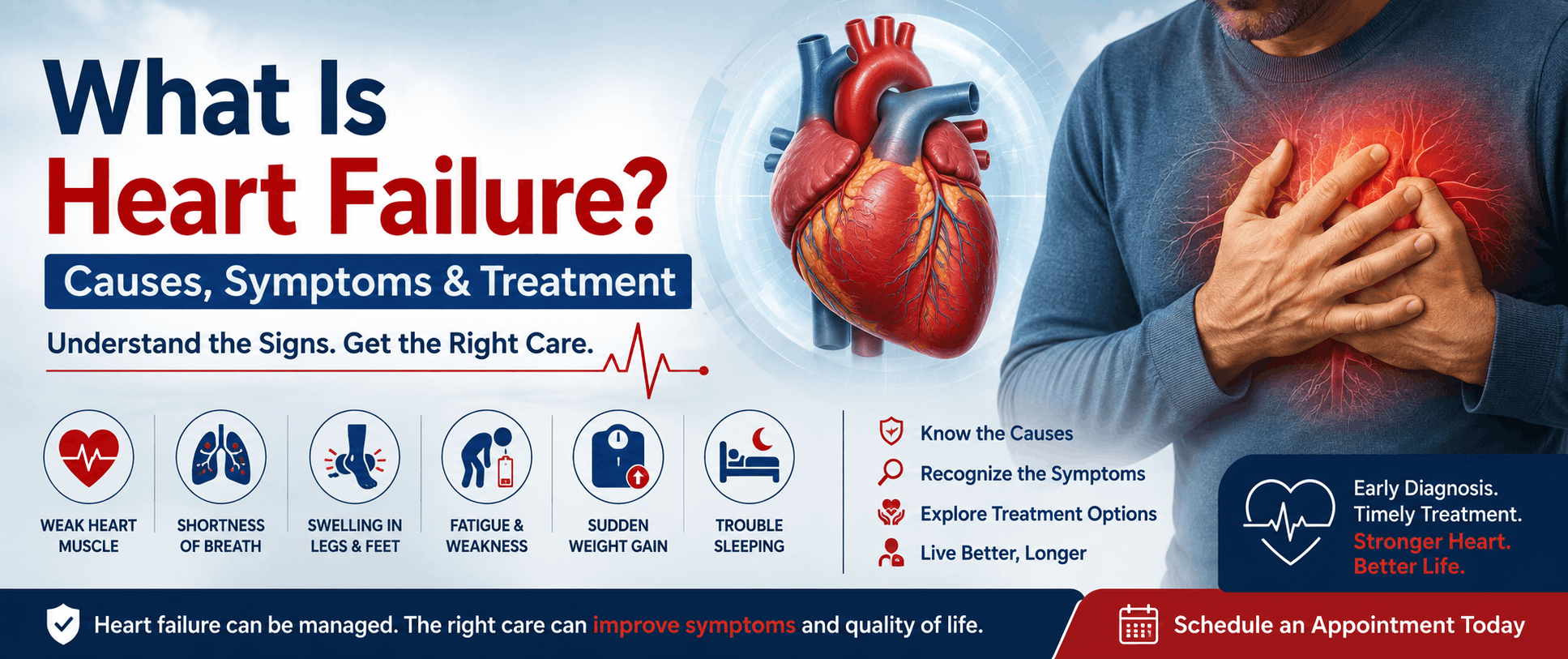
Heart failure is a serious medical condition in which the heart cannot pump enough blood to meet the body’s needs. Despite its name, heart failure does not mean that the heart has stopped working. Instead, the heart may be too weak to pump effectively or too stiff to fill properly.
Heart failure can develop gradually over time or occur suddenly. It may affect the left side of the heart, the right side, or both sides. Symptoms can range from mild tiredness and breathlessness to significant swelling, difficulty breathing and reduced ability to perform everyday activities.
The good news is that heart failure can often be managed. Treatment depends on the type and severity of heart failure and may include medicines, lifestyle changes, cardiac rehabilitation, medical devices or procedures. Early diagnosis and consistent medical care can help improve symptoms and quality of life.
🚨 When Is Heart Failure an Emergency?
Seek emergency medical care if you develop severe or sudden shortness of breath, chest pain or pressure, fainting, severe weakness, confusion, or other sudden symptoms.
If you already have heart failure, a sudden worsening of breathlessness, significant swelling or rapid unexplained weight gain may indicate fluid buildup and should be discussed promptly with your healthcare team.
What Does Heart Failure Actually Mean?
Heart failure means that the heart is not able to pump blood well enough to meet the body’s needs. The heart may have difficulty pumping blood forward, filling properly, or both.
As a result, the body may receive less oxygen-rich blood, while fluid can build up in the lungs or other parts of the body. This can lead to symptoms such as fatigue, shortness of breath, swelling and reduced exercise tolerance.
What Is Heart Failure?
The heart is a muscular pump responsible for circulating blood throughout the body. The right side of the heart sends blood to the lungs to receive oxygen, while the left side pumps oxygen-rich blood to the rest of the body.
In heart failure, the heart cannot keep up with the body’s demands. This can happen because the heart muscle has become weak, because the heart has become stiff and cannot fill properly, or because another condition has affected the heart’s ability to function normally.
Heart failure is usually a long-term condition, although symptoms and heart function can sometimes improve substantially with appropriate treatment. Ongoing medical care is important even when symptoms improve.

What Causes Heart Failure?
Heart failure is often caused by another condition that damages or places excessive strain on the heart. Some people have several contributing risk factors rather than one single cause.
Coronary Artery Disease
Plaque buildup in the coronary arteries can reduce blood flow to the heart muscle and contribute to heart failure.
High Blood Pressure
Long-term high blood pressure can make the heart work harder and may eventually weaken or stiffen the heart muscle.
Heart Attack
A heart attack can damage heart muscle and reduce the heart’s ability to pump effectively.
Heart Valve Disease
Damaged or abnormal heart valves can make the heart work harder and may contribute to heart failure.
1Coronary Artery Disease
Coronary artery disease is one of the most common conditions associated with heart failure. Fatty deposits and cholesterol can build up inside the coronary arteries, reducing blood flow to the heart muscle.
Over time, reduced blood flow can weaken the heart. A heart attack caused by a blocked coronary artery can also permanently damage heart muscle and increase the risk of heart failure.
Protect Your Heart
Managing blood pressure, cholesterol, diabetes, smoking, weight and physical activity can help reduce cardiovascular risk. Regular checkups are particularly important if you have multiple heart disease risk factors.
2High Blood Pressure
High blood pressure forces the heart to work harder to move blood through the body. Over many years, this additional workload can cause changes in the heart muscle.
The heart may become thicker and stiffer, making it harder for the chambers to relax and fill properly. High blood pressure is therefore an important risk factor for heart failure.
High Blood Pressure Often Has No Symptoms
A person can have significantly elevated blood pressure without feeling unwell. Regular blood pressure checks can help identify hypertension early and allow appropriate treatment.
3Heart Attack
A heart attack occurs when blood flow to part of the heart muscle becomes blocked. Without enough oxygen, heart muscle can become damaged.
The amount and location of damage can affect how well the heart pumps afterward. Some people develop heart failure following a heart attack, particularly when substantial heart muscle has been affected.
4Heart Valve Problems
Heart valves help blood move through the heart in the correct direction. If a valve becomes narrowed or does not close properly, the heart may need to work harder to maintain normal circulation.
Over time, significant valve disease can weaken or change the heart and contribute to heart failure.
5Cardiomyopathy and Heart Muscle Disease
Cardiomyopathy refers to diseases that affect the heart muscle. Some forms can cause the heart to become enlarged, thickened, stiff or weak.
Cardiomyopathy can have different causes, including inherited conditions, infections, certain medications or toxins, and other medical conditions. In some cases, the exact cause may not be identified.
6Diabetes and Heart Failure
Diabetes is an important cardiovascular risk factor and can increase the risk of developing heart disease and heart failure.
High blood sugar can contribute to blood vessel damage, while diabetes frequently occurs alongside high blood pressure, unhealthy cholesterol, excess weight and other conditions that can affect cardiovascular health.
Diabetes and Heart Health
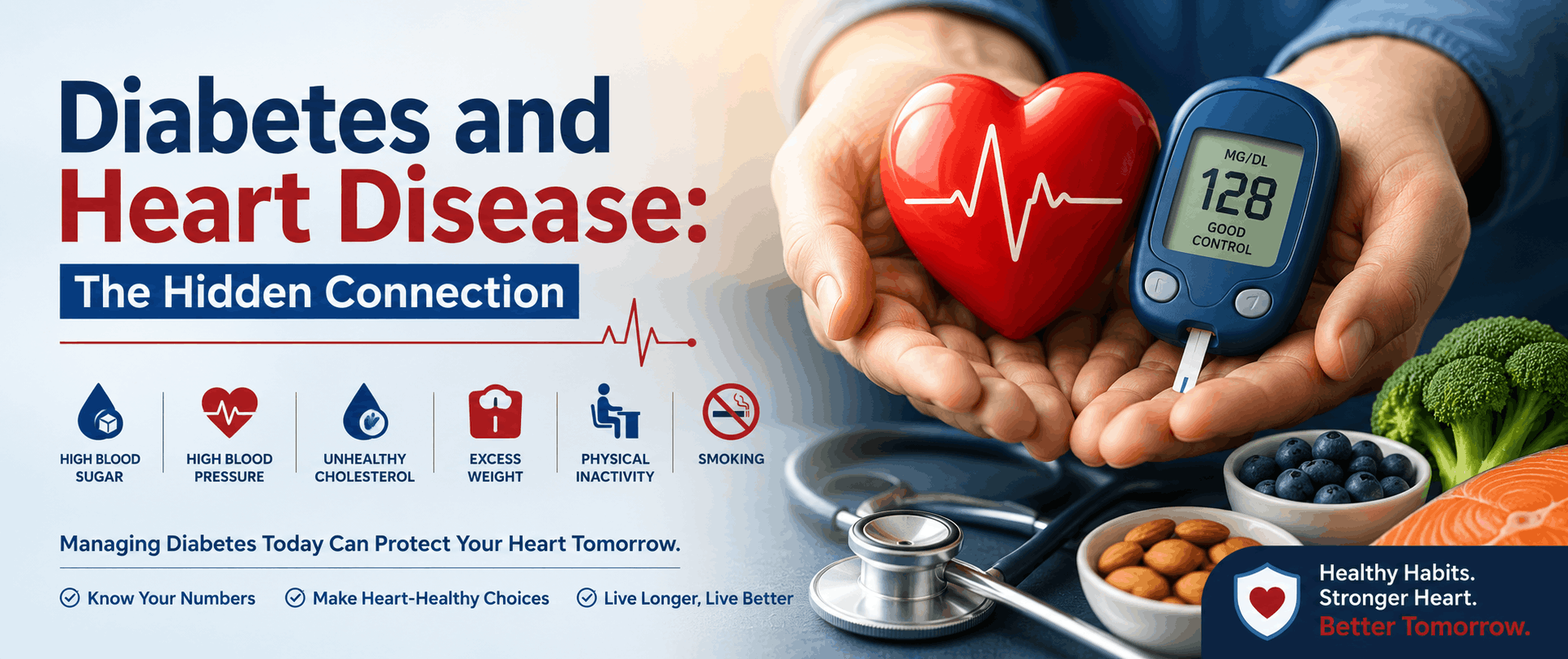
If you have diabetes, managing blood sugar is only one part of protecting your heart. Blood pressure, cholesterol, weight, physical activity, smoking and other cardiovascular risk factors should also be addressed with your healthcare team.
7Abnormal Heart Rhythms
Some abnormal heart rhythms, including certain forms of atrial fibrillation, can contribute to or worsen heart failure.
A heart that beats too fast, too slowly or irregularly for long periods may not pump blood efficiently. Treating the underlying rhythm problem may be an important part of managing heart failure in some patients.

Types of Heart Failure
Heart failure can be classified in several ways. One important classification is based on how well the left ventricle pumps blood, commonly measured using a value called the ejection fraction.
Heart Failure With Reduced Ejection Fraction
In heart failure with reduced ejection fraction, the heart’s pumping ability is reduced. This is sometimes called systolic heart failure.
Heart Failure With Preserved Ejection Fraction
In heart failure with preserved ejection fraction, the heart may contract relatively normally but have difficulty relaxing and filling properly.
Heart Failure With Mildly Reduced Ejection Fraction
Some people have an ejection fraction that falls between the reduced and preserved ranges. Treatment is individualized according to the patient’s overall condition.
The type of heart failure matters because treatment recommendations can differ. Your cardiologist can interpret your ejection fraction together with your symptoms, tests and medical history.
What Are the Symptoms of Heart Failure?
Heart failure symptoms can develop gradually or become noticeable suddenly. Some people initially notice symptoms only during exercise, while others may experience symptoms even at rest as the condition progresses.
Shortness of Breath
Breathlessness may occur during activity, while resting, or when lying flat.
Fatigue
Reduced blood flow and the extra effort required by the heart can contribute to persistent tiredness and reduced energy.
Swelling
Fluid buildup can cause swelling in the ankles, feet, legs or abdomen.
Weight Changes
Rapid unexplained weight gain can be a sign of fluid retention in people with heart failure.
8Shortness of Breath
Shortness of breath is one of the most common symptoms of heart failure. It may initially occur during activities such as climbing stairs or walking quickly.
As heart failure progresses, some people may become breathless with ordinary daily activities or while resting. Difficulty breathing while lying flat or waking during the night feeling short of breath can also occur.
9Swelling in the Legs, Ankles or Abdomen
When the heart cannot circulate blood effectively, fluid can build up in the body. This may cause swelling in the feet, ankles, legs or abdomen.
Swelling can fluctuate, and a sudden increase may indicate worsening fluid retention. People with diagnosed heart failure should ask their healthcare team how to monitor swelling and weight changes.
10Fatigue and Reduced Exercise Ability
Heart failure can make ordinary activities feel more difficult. You may become tired while walking, shopping, climbing stairs or performing household tasks that were previously easy.
Persistent fatigue should not automatically be attributed to aging or lack of sleep. If it is new, worsening or accompanied by breathlessness or swelling, speak with a healthcare professional.
Other Possible Symptoms of Heart Failure
- Persistent cough or wheezing
- Difficulty sleeping while lying flat
- Waking at night with difficulty breathing
- Rapid or irregular heartbeat
- Reduced appetite
- Nausea
- Abdominal swelling or discomfort
- Difficulty concentrating or confusion
- Increased need to urinate at night
- Sudden or unexplained weight changes
Symptoms Can Be Subtle
Heart failure does not always begin with dramatic symptoms. A gradual decline in exercise ability, increasing fatigue or slowly worsening breathlessness may be the first sign that something needs to be evaluated.
How Is Heart Failure Diagnosed?
Diagnosing heart failure usually involves a combination of medical history, physical examination, blood tests and heart imaging. Your healthcare provider may also ask about symptoms, previous heart conditions, medications and family history.
The specific tests depend on your symptoms and medical history.
Physical Examination
Your doctor may check your heart and lungs and look for signs of fluid buildup or swelling.
Blood Tests
Blood tests can help assess overall health and may provide information relevant to heart failure.
Echocardiogram
An echocardiogram uses ultrasound to examine the heart’s structure and pumping function.
Electrocardiogram
An ECG records the heart’s electrical activity and can help identify rhythm problems or other abnormalities.
What Is an Ejection Fraction?
Ejection fraction, or EF, is a measurement commonly used when evaluating heart function. It describes the percentage of blood pumped out of the left ventricle with each heartbeat.
An echocardiogram is commonly used to measure ejection fraction. The EF value can help doctors classify heart failure and guide treatment, but it is only one part of the overall assessment.
Your Ejection Fraction Is Not the Whole Story
A person can have significant heart failure symptoms even when the ejection fraction is not severely reduced. Your doctor considers your symptoms, examination, imaging, blood tests and other factors when evaluating your condition.
How Is Heart Failure Treated?
Heart failure treatment is individualized. There is no single treatment that is appropriate for every patient. Your treatment plan depends on the type of heart failure, ejection fraction, symptoms, other health conditions and previous treatments.
Treatment may include lifestyle changes, medications, cardiac rehabilitation, medical devices, procedures or surgery.
11Heart Failure Medications
Several types of medicines may be used to manage heart failure. The medications prescribed depend on the type of heart failure and the patient’s individual needs.
Medicines for Fluid Buildup
Diuretics may help remove excess fluid and reduce symptoms such as swelling and breathlessness.
Medicines That Support Heart Function
Several medication classes can reduce symptoms and cardiovascular risk in appropriate patients, particularly those with reduced ejection fraction.
Blood Pressure Medicines
Certain medicines can lower blood pressure and reduce the workload on the heart when appropriate.
Other Cardiovascular Medicines
Additional medicines may be recommended to manage rhythm problems, blood clots or other conditions contributing to heart failure.
Never Change Heart Failure Medication on Your Own
Do not stop, skip or change heart failure medication without medical advice. Some medicines require careful dose adjustment, and sudden changes can cause symptoms to worsen.
12Heart-Healthy Lifestyle Changes
Lifestyle changes are an important part of heart failure management and may be used alongside medications and other treatments.
- Follow your healthcare provider’s treatment plan.
- Follow recommended sodium or fluid restrictions when prescribed.
- Stay physically active within the limits recommended by your healthcare team.
- Maintain a healthy weight when appropriate.
- Stop smoking.
- Limit or avoid alcohol when advised.
- Manage blood pressure and diabetes.
- Get adequate, quality sleep.
- Manage stress.
- Attend regular follow-up appointments.
13Cardiac Rehabilitation
Cardiac rehabilitation is a medically supervised program that can help some people with cardiovascular conditions improve physical fitness, learn heart-healthy habits and manage cardiovascular risk factors.
Your cardiologist can determine whether cardiac rehabilitation is appropriate for your condition and help you choose a safe level of physical activity.

14Medical Devices and Procedures
Some people with heart failure may benefit from medical devices or procedures, particularly when medications and lifestyle changes are not enough or when a specific underlying heart problem needs treatment.
Depending on the patient’s condition, treatment may include devices such as implantable cardioverter-defibrillators or cardiac resynchronization therapy. Some patients may require procedures to treat blocked arteries or damaged heart valves.
Advanced Heart Failure Treatment
For severe or advanced heart failure, specialized therapies may include mechanical circulatory support or, in selected patients, heart transplantation. These decisions are made by specialized heart-failure teams based on the patient’s condition and overall health.
How Can You Manage Heart Failure at Home?
Living with heart failure often involves monitoring symptoms and following a personalized treatment plan. Your healthcare provider may recommend tracking your weight, symptoms, blood pressure or other measurements.
Keep Track of Changes
- Monitor your weight as recommended.
- Pay attention to increasing ankle or leg swelling.
- Notice changes in breathlessness.
- Take medications exactly as prescribed.
- Keep follow-up appointments.
- Contact your healthcare team when symptoms change.
Can Heart Failure Be Prevented?
Not every case of heart failure can be prevented, but many risk factors can be managed. Protecting your heart throughout adulthood can reduce the likelihood of developing conditions that contribute to heart failure.
- Keep blood pressure under control.
- Manage diabetes.
- Maintain healthy cholesterol levels.
- Do not smoke.
- Exercise regularly.
- Eat a heart-healthy diet.
- Maintain a healthy weight.
- Limit excessive alcohol use.
- Get appropriate treatment for sleep apnea and other medical conditions.
- Attend regular health checkups.

When Should You See a Cardiologist?
You should speak with a healthcare professional if you develop persistent or unexplained shortness of breath, swelling, unusual fatigue, reduced exercise tolerance or other symptoms that could indicate a heart problem.
A cardiology evaluation may be especially important if you have a history of heart attack, coronary artery disease, valve disease, cardiomyopathy, abnormal heart rhythms or other cardiovascular conditions.
Don’t Wait for Symptoms to Become Severe
Early evaluation can help identify the cause of symptoms and determine whether treatment or monitoring is needed. If you notice new or worsening symptoms, contact your healthcare provider.
🚨 Seek Emergency Medical Care Immediately If You Have:
- Severe or sudden shortness of breath
- Chest pain or pressure
- Fainting or loss of consciousness
- Sudden severe weakness
- Confusion or a significant change in alertness
- Severe difficulty breathing while at rest
- Sudden symptoms that are rapidly getting worse
If you believe you are experiencing a medical emergency, call your local emergency number or seek emergency medical care immediately.
Frequently Asked Questions
What is heart failure?
Heart failure is a condition in which the heart cannot pump enough blood to meet the body’s needs. It does not mean that the heart has stopped working. Heart failure can result from a weak heart muscle, a stiff heart that cannot fill properly, or other conditions affecting heart function.
What are the first signs of heart failure?
Common early symptoms can include shortness of breath during activity, unusual fatigue, reduced exercise ability and swelling in the ankles or legs. Symptoms vary between individuals and may develop gradually.
Can heart failure be cured?
Heart failure is generally considered a long-term condition, but treatment can significantly improve symptoms and quality of life for many people. Some patients may experience substantial improvement in heart function with appropriate treatment.
Is heart failure the same as a heart attack?
No. A heart attack occurs when blood flow to part of the heart muscle becomes blocked. Heart failure occurs when the heart cannot pump enough blood to meet the body’s needs. A heart attack can damage the heart and may contribute to the development of heart failure.
Can high blood pressure cause heart failure?
Yes. Long-term high blood pressure can place extra strain on the heart and contribute to changes in the heart muscle that increase the risk of heart failure.
Can diabetes cause heart failure?
Diabetes is an important risk factor for cardiovascular disease and can increase the risk of heart failure. Managing blood sugar along with blood pressure, cholesterol, weight and other cardiovascular risk factors can help protect heart health.
Can people with heart failure exercise?
Many people with heart failure can benefit from physical activity, but the appropriate type and intensity depend on the individual’s condition. Ask your healthcare provider or cardiologist what level of exercise is safe for you.
Why do people with heart failure gain weight?
Rapid weight gain can occur because the body is retaining extra fluid. If you have heart failure and notice sudden unexplained weight gain, ask your healthcare team when you should contact them.
Can heart failure cause swollen legs?
Yes. Fluid buildup associated with heart failure can cause swelling in the feet, ankles and legs. Swelling can also have other causes, so new or worsening swelling should be evaluated by a healthcare professional.
Do I need to see a cardiologist for heart failure?
Heart failure usually requires ongoing medical management, and a cardiologist may be part of the care team. Your primary care physician can help determine whether you need cardiology evaluation or specialized heart-failure care.
How Padder Health Services Can Help
At Padder Health Services, our Primary Care physicians and Cardiologists provide comprehensive evaluation and management of heart disease, heart failure and cardiovascular risk factors.
Our team can help evaluate symptoms, review cardiovascular risk factors, arrange appropriate investigations and develop a personalized treatment and monitoring plan when heart failure or another heart condition is suspected.
Our Cardiovascular & Primary Care Services Include
- Heart failure evaluation
- Cardiovascular risk assessment
- Blood pressure evaluation
- Cholesterol management
- Diabetes management
- Heart disease evaluation
- Cardiology consultation
- Preventive cardiology
- Heart health screening
- Long-term chronic disease management
Take Your Heart Symptoms Seriously
Shortness of breath, swelling, unusual fatigue and reduced exercise tolerance can have many causes. If you are concerned about your heart health, speak with an experienced healthcare professional for appropriate evaluation.
Final Thoughts
Heart failure is a serious condition, but it does not mean that the heart has stopped working. It means the heart is not able to pump or fill effectively enough to meet the body’s needs.
Common causes include coronary artery disease, heart attack, high blood pressure, heart valve disease, cardiomyopathy and abnormal heart rhythms. Diabetes, obesity, kidney disease, sleep apnea and other health conditions can also increase the risk.
Recognizing symptoms such as shortness of breath, fatigue, swelling and sudden weight changes is important. Early evaluation can help identify the cause and allow appropriate treatment.
Treatment may include medications, lifestyle changes, cardiac rehabilitation, devices, procedures or surgery depending on the type and severity of heart failure. Following your treatment plan and communicating changes in symptoms to your healthcare team are essential parts of long-term care.
At Padder Health Services, our Primary Care and Cardiology teams are committed to helping patients understand their cardiovascular health, evaluate concerning symptoms and receive appropriate, personalized care.
Your Heart Health Matters
Do not ignore persistent breathlessness, swelling, unusual fatigue or changes in your ability to perform everyday activities. Knowing your risk factors and seeking medical advice when symptoms change can be an important part of protecting your heart.